
Luke 2
Los Suspiros
COUNTRY: Guatemala
FARM/COOP/STATION: Finca Los Suspiros
VARIETAL: Villa Sarchi
PROCESSING: Fully washed
ALTITUDE: 1,500 to 1,900 meters above sea level
OWNER: Axel Palacios
REGION: Huehuetenango
SUBREGION/TOWN: Palmira, La Libertad
FARM SIZE: 20 hectares
HARVEST MONTHS: November - April
FLAVOUR NOTES: Stonefruit, almonds, dried papaya
ABOUT THIS COFFEE
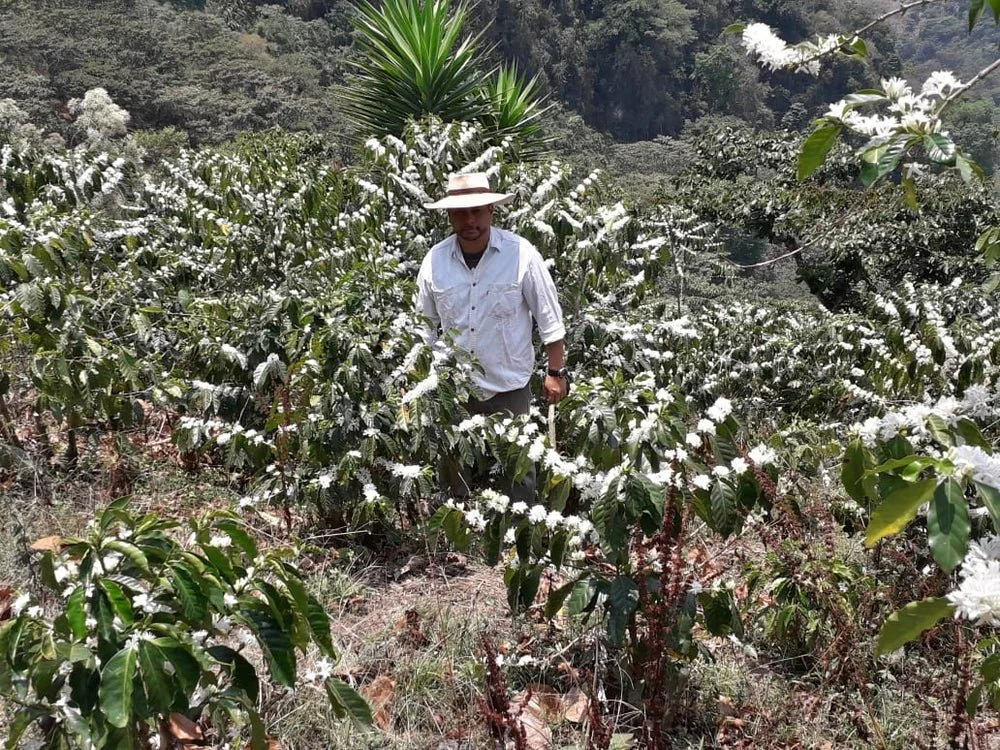
The farm is named Los Suspiros, which means “the sighs” in Spanish, because of the fresh breezes of air you can experience whenever you pause to appreciate one of the incredible views.
Juan Palacios established Finca Los Suspiros in the early 1930s. He planted coffee trees and also grew corn and tobacco and bred cows. In those years, Don Juan loaded his coffee on mules and traveled a full 5 days on horseback to bring his harvest to Huehuetenango City.
Juan bequeathed his farm to his only son, Amadeo. Under Amadeo, the farm shifted focus to solely coffee production. In 1997, Amadeo gave 70 hectares to his grandson – the current owner - Axel Palacios.
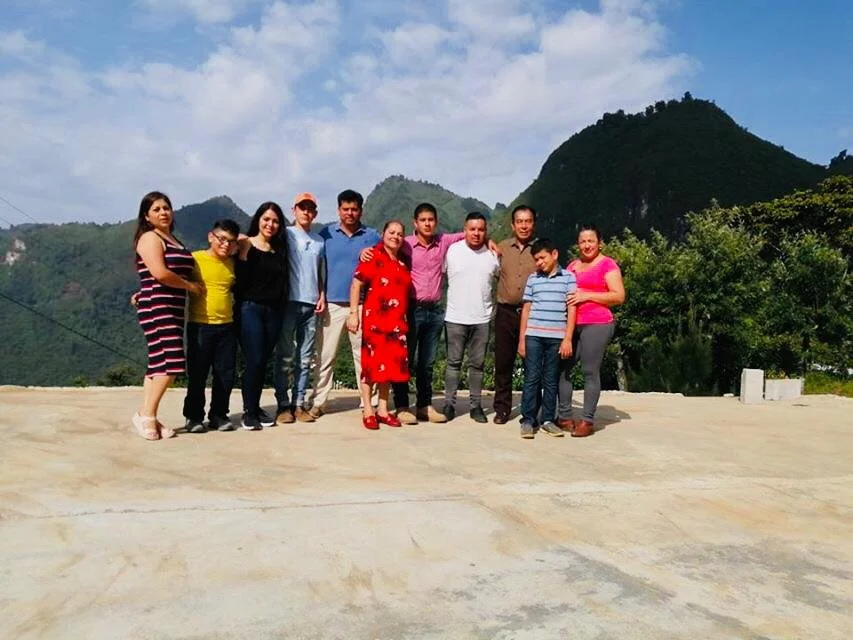
Now the 4th-generation of Palacios to own and operate Finca Los Suspiros, Axel is dedicated to specialty coffee production. Axel joined his childhood friends, Fredy and Alejandro Morales, as they expanded their family farm, Finca Rosma, into a specialty exporter. Today, Alex and the Morales brothers operate Finca Los Suspiros as part of their joint venture, the specialty coffee exporter, Rosma Coffeelands.
HARVEST AND PROCESS
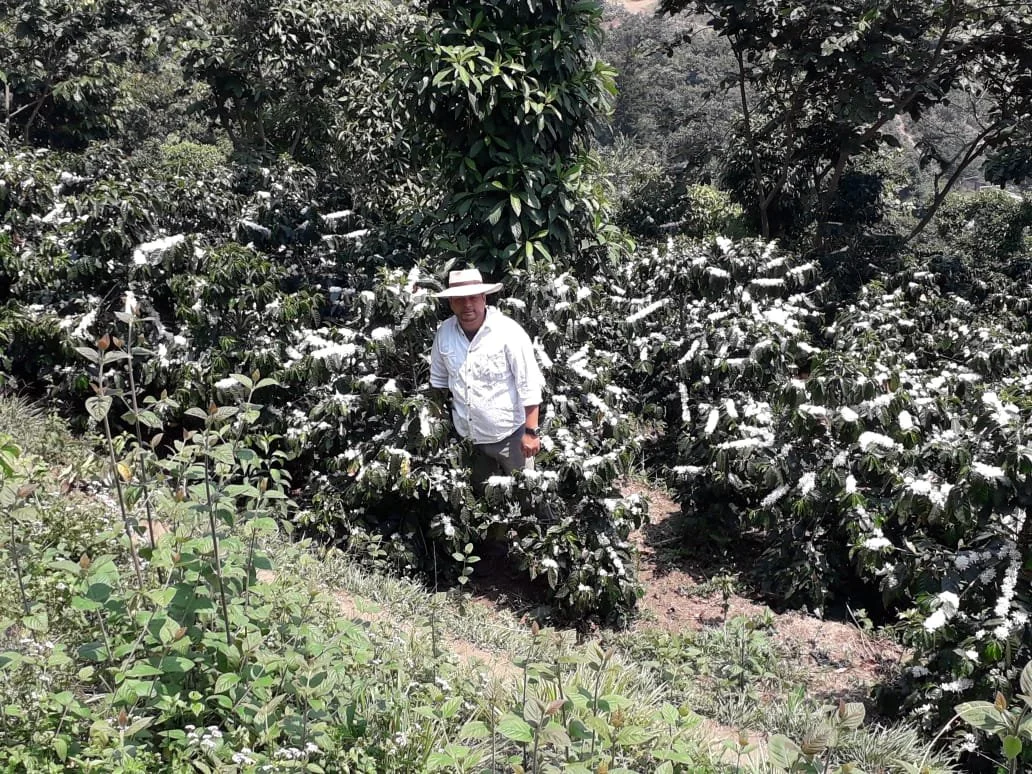
Los Suspiros is primarily planted under Bourbon and Caturra, both of which are commonly grown varieties in Guatemala's Huehuetenango region. Axel has also planted plots of Villa Sarchi, a mutation of the Bourbon variety. Production has become significant enough that single varietal lots, such as this one, can now be produced.
Coffee from Los Suspiros is processed at the Huehuetenango valley location, where the Rosma Team works with Palacios to decide on the best processing method for the delivered cherries. If the season is cloudy, Honey is often selected. For bright, sunny days, Natural processing will often be the selection. And for wonderfully 'normal' seasonal weather, the Fully washed method will win out, as it did for this lot!
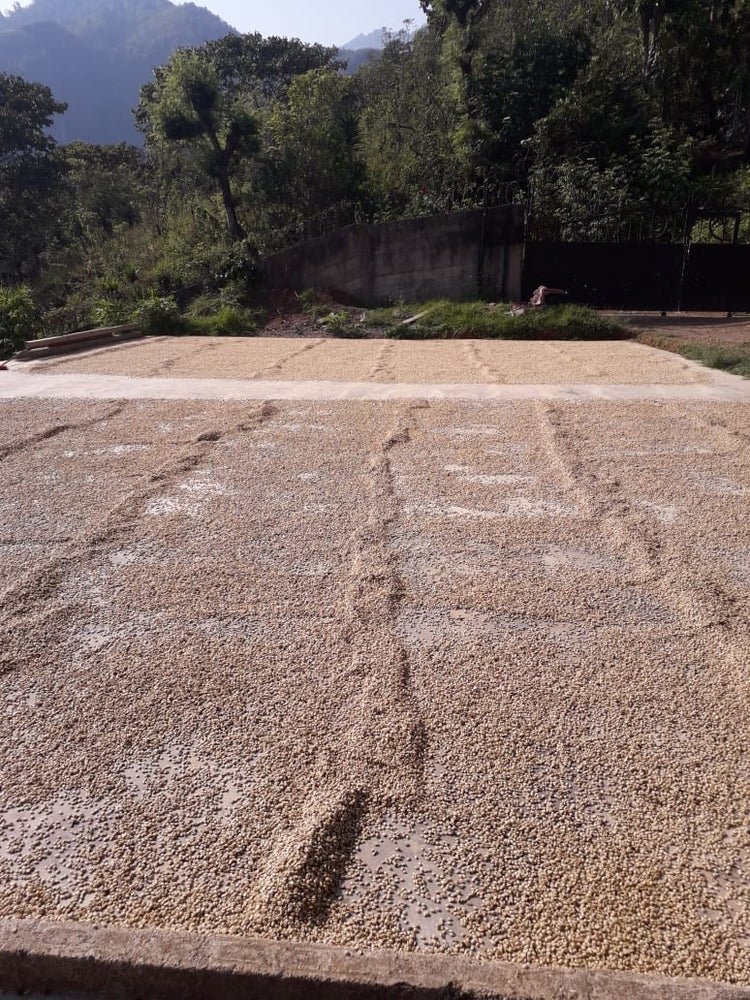
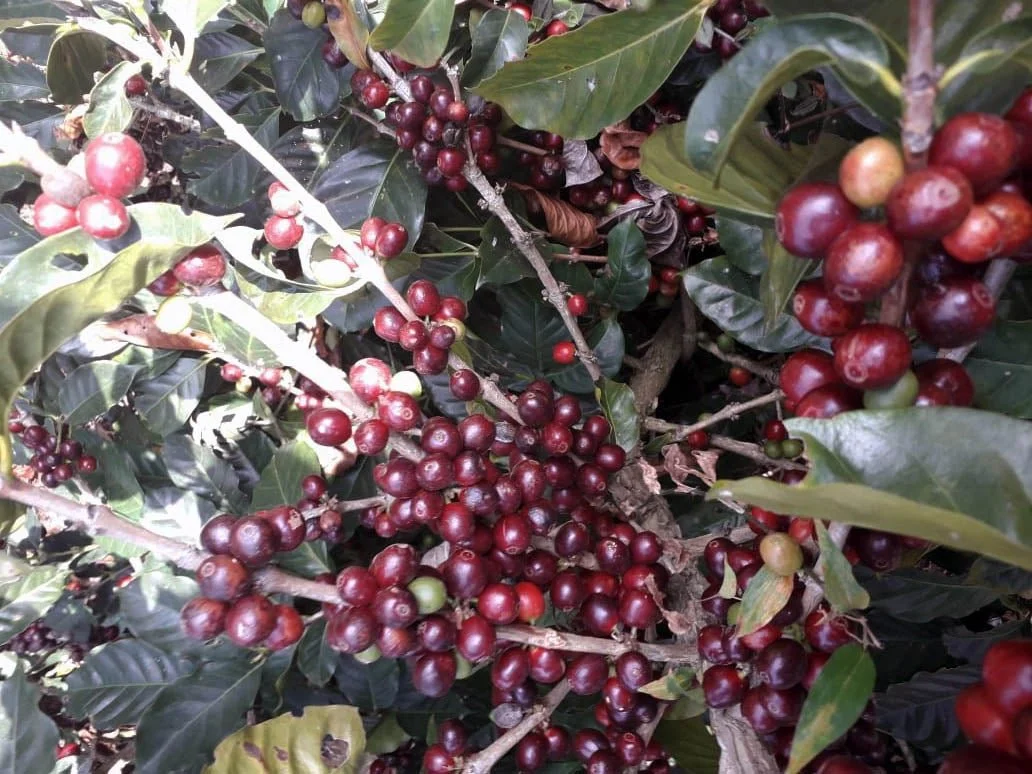
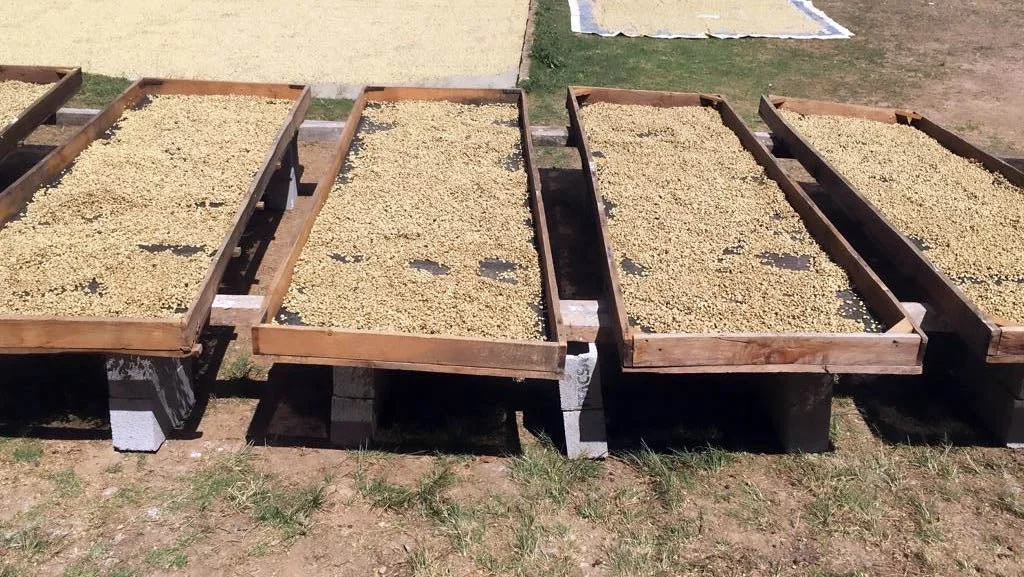
Cherry is selectively handpicked and then sorted to ensure only ripe, red cherry is processed. Axel maintains a strong relationship with his hired pickers to ensure that they understand the need for selective picking and are dedicated to picking only the best cherry. Once at the on farm wet mill, cherry is floated to remove any underripes. Cherry is pulped and fermented in fermentation tanks for 24 hours. Following fermentation, parchment is washed in clean water and laid on patios to dry. Parchment is raked frequently to ensure even drying.
COFFEE IN Guatemala
PLACE IN WORLD PRODUCTION: #11
AVERAGE ANNUAL PRODUCTION:
3,620,000 (in 60kg bags)
COMMON ARABICA VARIETIES:
Bourbon, Caturra, Catuai, Typica, Maragogype, Pache, Pacamara
KEY REGIONS:
Acatenango | Antigua | Atitlán | Cobán | Fraijanes | Huehuetenango | Nuevo Oriente | San Marcos
HARVEST MONTHS:
November - April

Some accounts have coffee cultivation in Guatemala starting as early as the mid-18th century, when Jesuits brought coffee plants to decorate their monasteries in the city of Antigua. There are accounts dating back to the early 1800s of Guatemalans drinking coffee. Around that time, a perfect storm of blocked trade routes during the Napoleonic Wars, crop-destroying locusts and the creation of cheaper and longer lasting artificial dyes conspired to cripple Guatemalan exports of Indigo, one of the country’s main cash crops. In order to bolster their failing economy, many people began cultivating coffee as a new cash crop.
For the next 150 years, most arable coffee lands were owned by large landowners of European descent. These landowners employed indigenous people from the highlands, few of whom officially owned their own land, to tend and harvest coffee on large farms. This model, while contributing greatly to existing inequality, also put Guatemala on the global map of coffee production.
In June 1952, during the Guatemalan Revolution, Congress passed Decree 900, also known as the Agrarian Reform Law. The law redistributed land from nearly 1,700 estates to 500,000 landless peasants. The majority of beneficiaries were indigenous people who had not had access to land since the Spanish Conquest in the 1500s. In turn, the law angered many powerful landowners, including the United Fruit Company and the United States, who saw the reform as a communistic threat. The land reform law is often cited as an inciting factor in the 1954 coup d'état that marked the beginning of decades of civil war.
The Guatemalan civil war did not end until 1996, and the violence of the second half of the 20th century hindered the Guatemalan coffee industry significantly. Peacetime stability slowly worked to spread coffee production beyond historic coffee growing regions. Beginning in the 21st century, land where popular crops like macadamia and avocado were once grown came to be replaced with coffee.
Today, the Guatemalan coffee sector is a behemoth. It generates around 40% of all agricultural export revenue and almost ¼ of the population is involved in producing the 3.6 million bags of coffee Guatemala exports each year.
Guatemala’s strictly hard beans (those grown above 1,350 meters above sea level) are considered to be among the world’s best coffee. In particular, beans grown on the southern slopes of the country’s many volcanoes are considered highly desirable. Regional blends from areas like Atitlan and Huehuetenango are pursued with similar fervor as single farm lots from Antigua.
Guatemala’s stellar coffee reputation is a combination of the right environmental conditions and a strong focus on cultivation and processing methods. Coffee is widely cultivated and grows in 20 of the 22 departments in Guatemala. High altitudes, consistent rainfall and mineral-rich soils make coffee an excellent crop across much of Guatemala. The nearly 300 unique microclimates means that Guatemalan coffees boast a diverse range of flavors.
Almost all coffee is Arabica and 98% is shade grown. Nearly all Arabica production is Fully washed, but natural and honey methods are becoming increasingly popular and producing many excellent lots. Many in the country are employing experimental processing methodologies, including soaking after washing, and Guatemalan farmers have been at the forefront of greenhouse drying methodologies. Guatemala’s high altitudes, diverse microclimates, consistent rainfall patterns, and excellent cultivation and processing, make for a variety of distinctive types of Guatemalan Arabica coffees.