

Luke 1
Kjære kaffevenn,
Da er endelig adventstiden i gang. Tusen takk for at du har skaffet deg årets adventskalender fra Langøra! Vi håper du blir fornøyd med kaffene som gjemmer seg i lukene, og at du får noen herlige kaffeøyeblikk frem mot jul. - Hilsen oss i Langøra
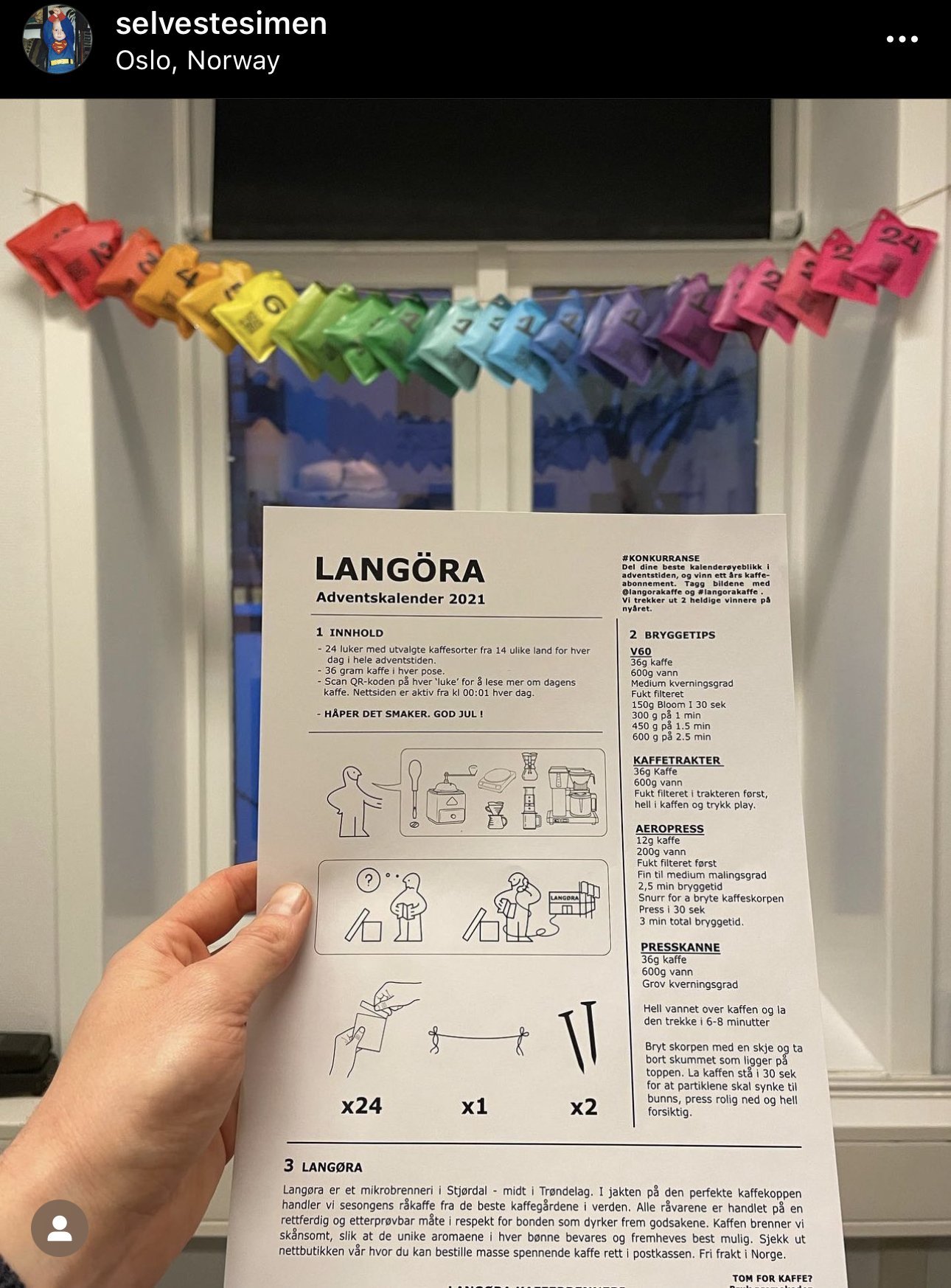
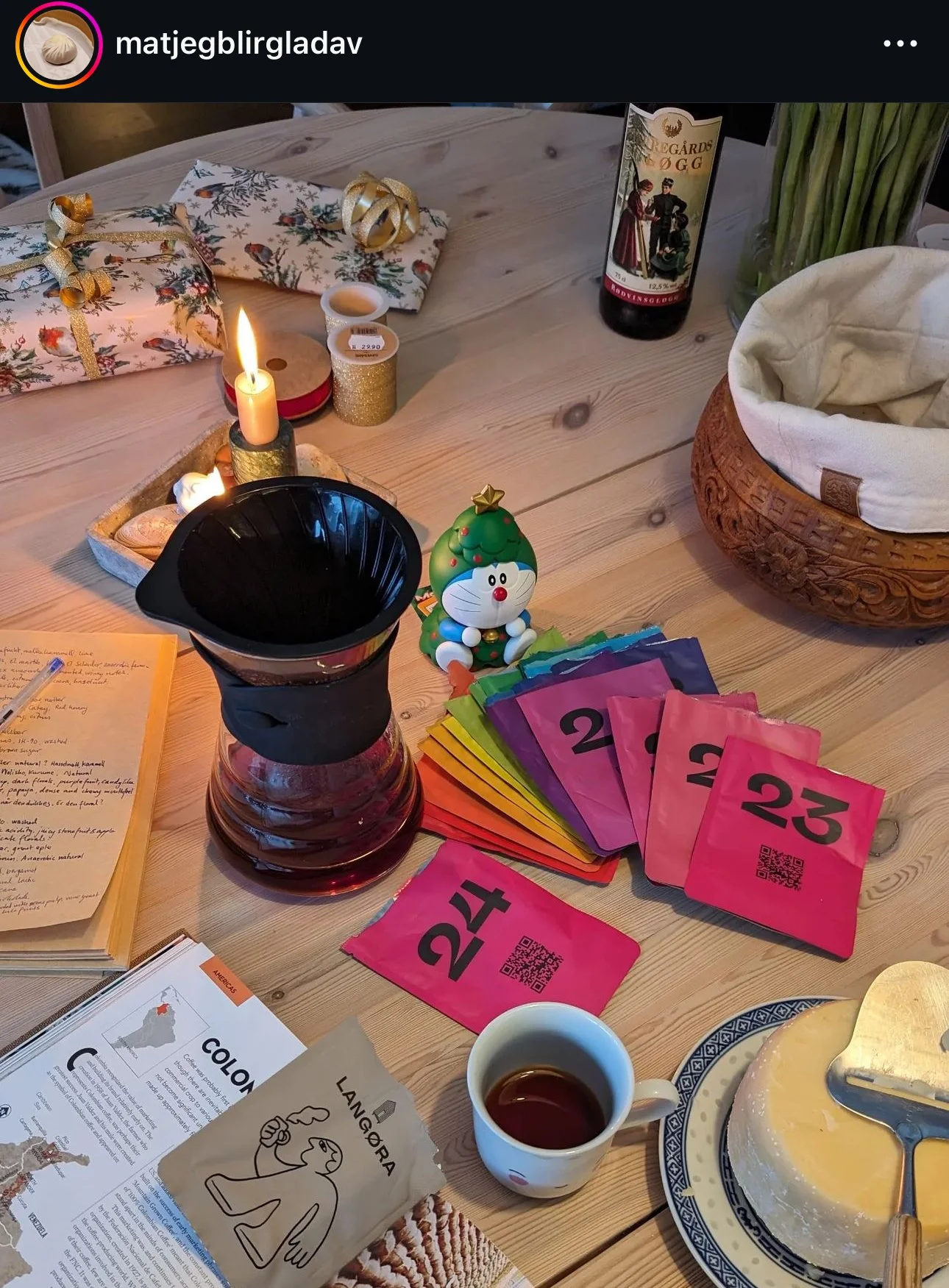
KONKURRANSE:
Del dine bilder og videoer av Langøras adventskalender på Instagram, Facebook eller TikTok under #langørakaffe og @langorakaffe .
Vi trekker tre vinnere som får 6 måneders kaffeabonement på nyåret.



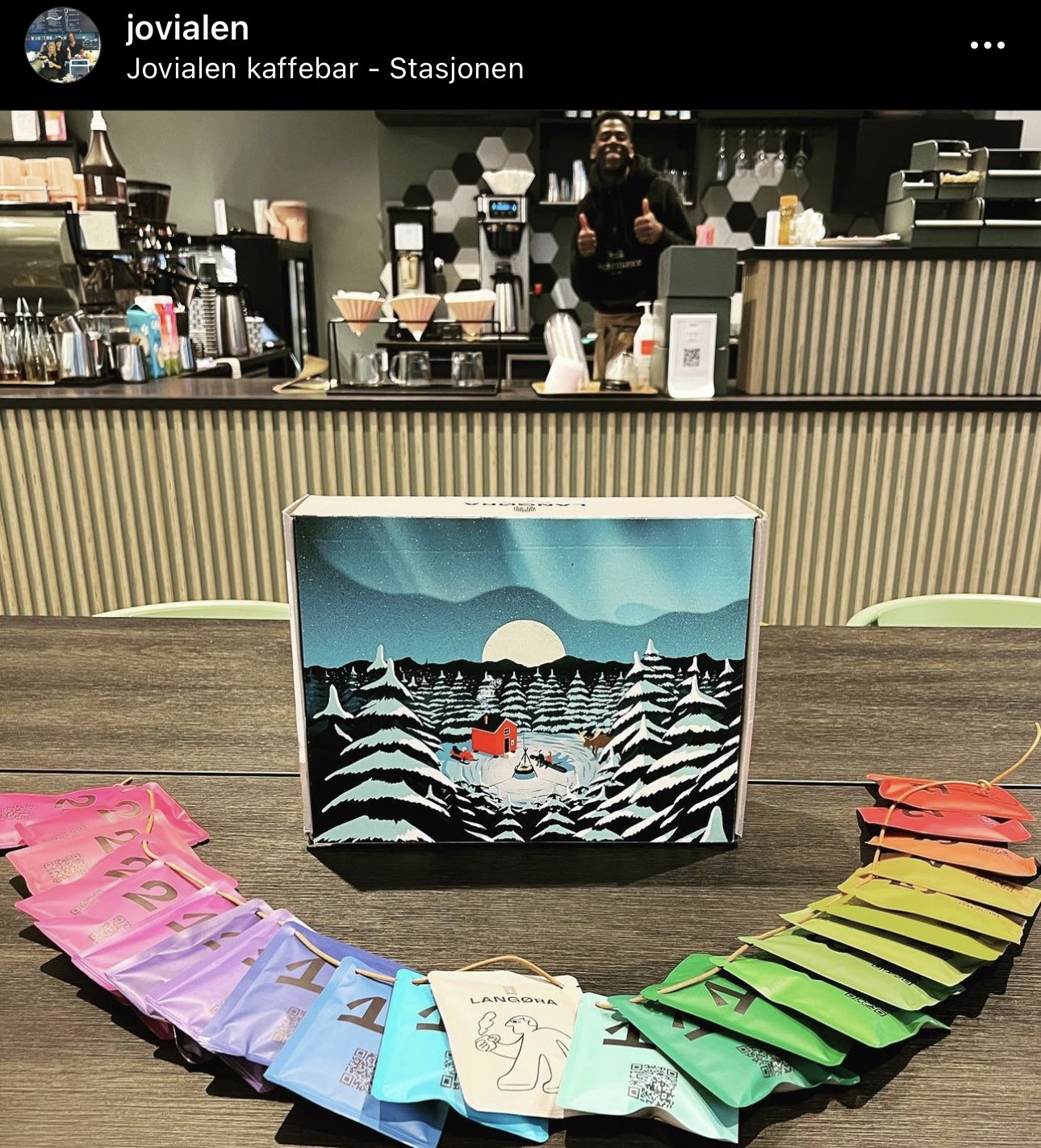

(ved å delta i konkurransen godtar du at vi kan bruke bildene i markedsføring)
LUKE 1
Diima Halo #3
COUNTRY: Ethiopia
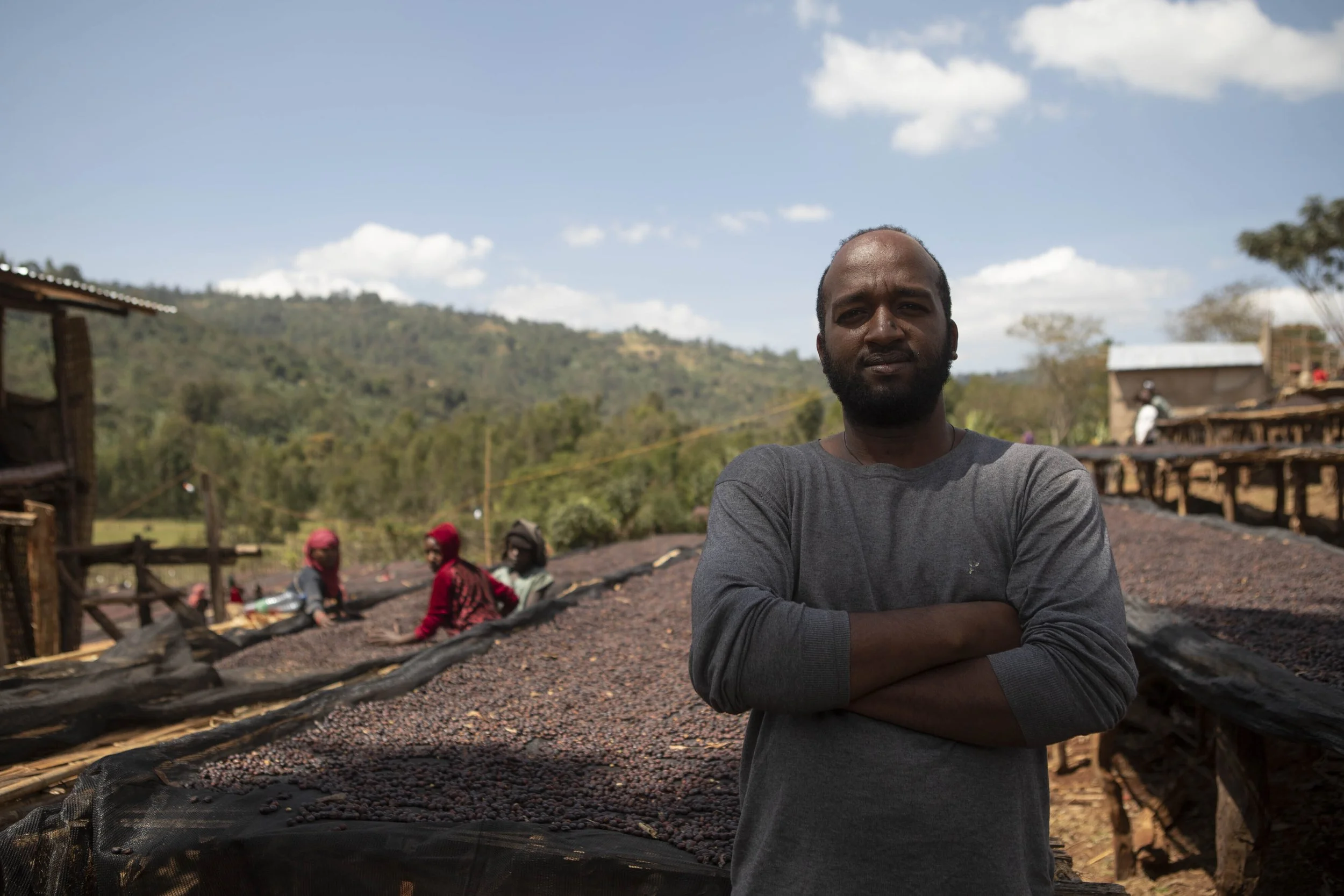
FARM/COOP/STATION: Halo washing station
VARIETAL: Heirloom
PROCESSING: Anaerobic Natural
ALTITUDE: 2000 - 2100 masl,
OWNER: Negusse D. Weldyes
SUBREGION: Gedeb
REGION: Yirgacheffe
HARVEST MONTHS: Low elevations: October - December | High Elevations: November - January
FLAVOUR NOTES: Peach, citrus peel, white and purple flowers, with an acidity reminding us of pineapple and some mild estery funk in the aftertaste
ABOUT THIS COFFEE
(Text by our friends at green coffee importer Nordic Approach)
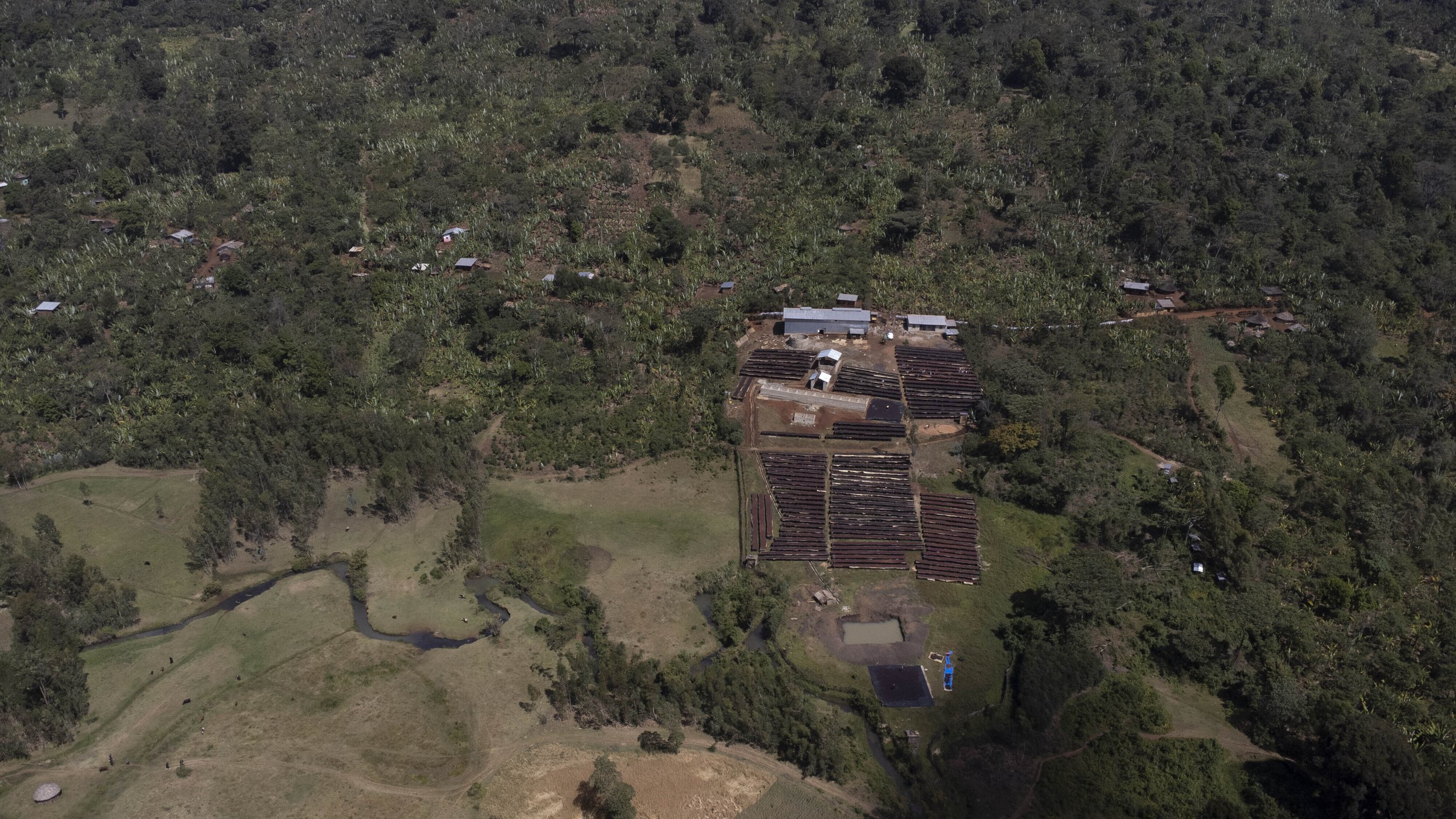
The Halo washing station is located in the village of Halo Barite in Gedeb, Gedeo Zone—an area also referred to as Yirgacheffe. Sitting at altitudes between 2000 and 2100 masl, the site works with around 700 smallholder farmers. Farms here are typically semi-forested and densely vegetated with shade trees, including false banana. The surrounding landscape allows cherries to be delivered to the station within a short distance, preserving their quality and freshness.
SNAP Coffee
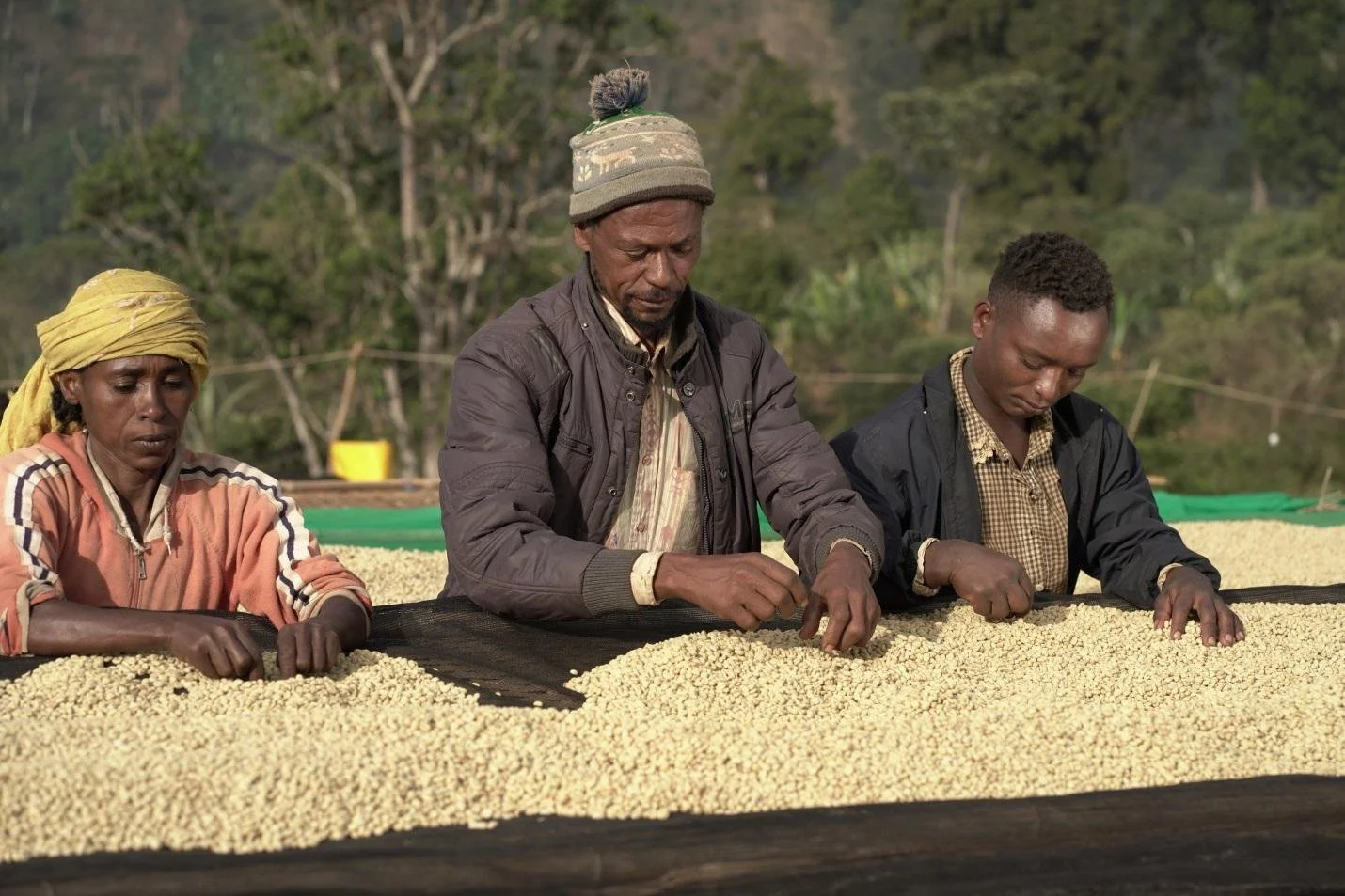
SNAP COFFEE, our export partner, was founded in Addis Ababa in 2008 by Negusse D. Weldyes. Operating three coffee washing and processing stations in Chelelektu, Kochere District of the Gedeo Zone, and collaborating with washing stations in Uraga (Guji) and Nensebo (West Arsi), the company serves an average of 550 farmers per station.
Their supply policy revolves around three key principles: ensuring consistent processing of specialty coffee, sharing essential knowledge and training on processing and cleaning methods to partnering farmers, and implementing waste recycling systems to protect the environment.
Impact
SNAP focuses on supporting smallholder communities in various ways. They provide technological equipment to newly built schools in the regions they work in, and construct new roads in less accessible farming areas. Their future goals consist of building clinics that will improve healthcare access for farmers in washing station areas.

The cherries that contributed to this lot have been anaerobically fermented for 110 hours at the Halo washing station in the village of Halo Barite, Gedeb.
Processing:
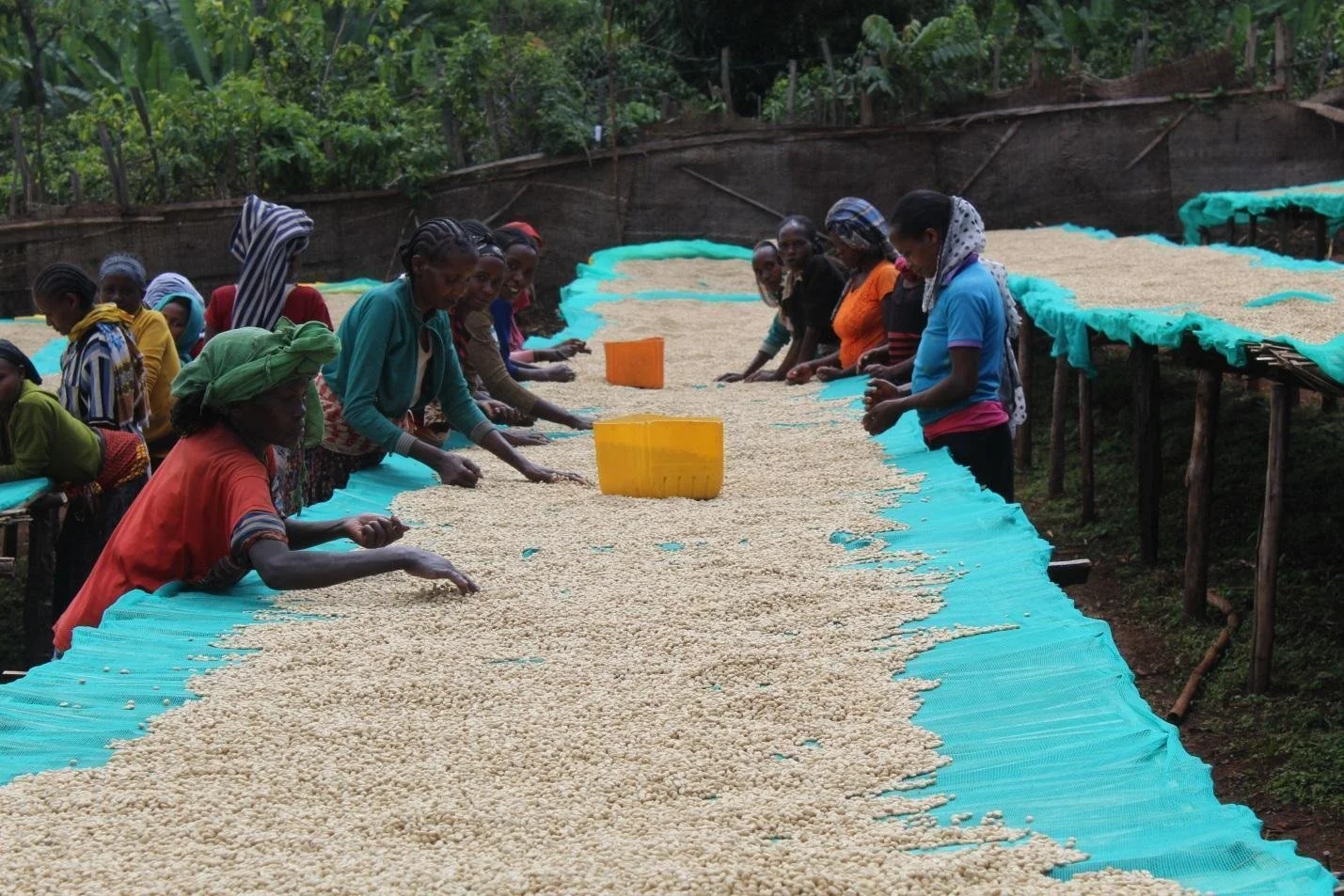
Ripe red cherries are selectively handpicked from smallholder farms around the Halo Barite area. The cherries are then screened for sugar content using a digital refractometer (Brix scale), with only those above 18 Brix selected. After sorting and removing any green or defective cherries, the batch undergoes floatation to eliminate any floaters. The remaining cherries are placed in sealed tanks for anaerobic fermentation, which lasts 110 hours. Once fermentation is complete, the cherries are carefully moved to shaded raised beds to dry for approximately 23 days. To effectively categorise our Ethiopian coffees, our team created a “flavour wheel”, where we have allocated different flavour profiles to colours. This coffee falls into the "Diima" flavour profile. Diima means "red" in the Oromiffa language, and it indicates that you will find intensity, fruit candy, violet florals, and tropical fruit like mango & banana in your cup.
COFFEE IN ETHIOPIA
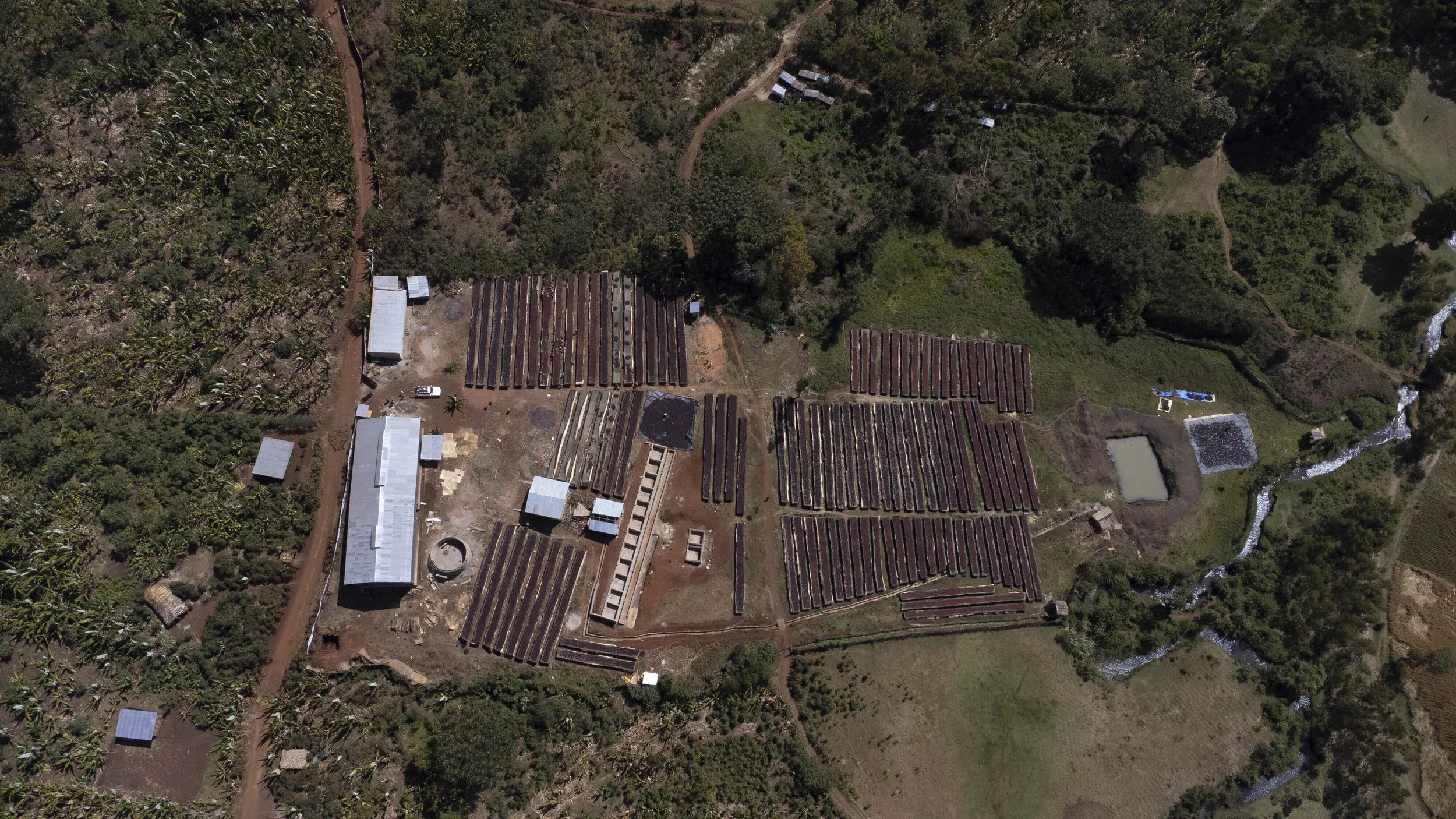
While Ethiopia is famous as coffee’s birthplace, today it remains a specialty coffee industry darling for its incredible variety of flavors. While full traceability has been difficult in recent history, new regulations have made direct purchasing possible. We’re partnering directly with farmers to help them produce top quality specialty lots that are now completely traceable, adding value for farmers and roasters, alike.
The exceptional quality of Ethiopian coffee is due to a combination of factors. The genetic diversity of coffee varieties means that we find a diversity of flavor, even between (or within) farms with similar growing conditions and processing. In addition to varieties, processing methods also contribute to end quality. The final key ingredients for excellent coffee in Ethiopia are the producing traditions that have created the genetic diversity, processing infrastructure and great coffee we enjoy today.
Most producers in Ethiopia are smallholders, and the majority continue to cultivate coffee using traditional methods. As a result, most coffee is grown with no chemical fertilizer or pesticide use. Coffee is almost entirely cultivated, harvested and dried using manual systems.