


Luke 4
AA Iyego
COUNTRY: Kenya
FARM/COOP/STATION: Marimira Factory
VARIETAL: SL-34, SL-28, Ruiru 11, Batian
PROCESSING: Washed
ALTITUDE: 1642m.a.s.l.
OWNER: Iyego Farmers’ Cooperative Society
REGION: Muranga
FLAVOUR NOTES: Clementine, redcurrant, caramel, blackberry, red apple
ABOUT THIS COFFEE
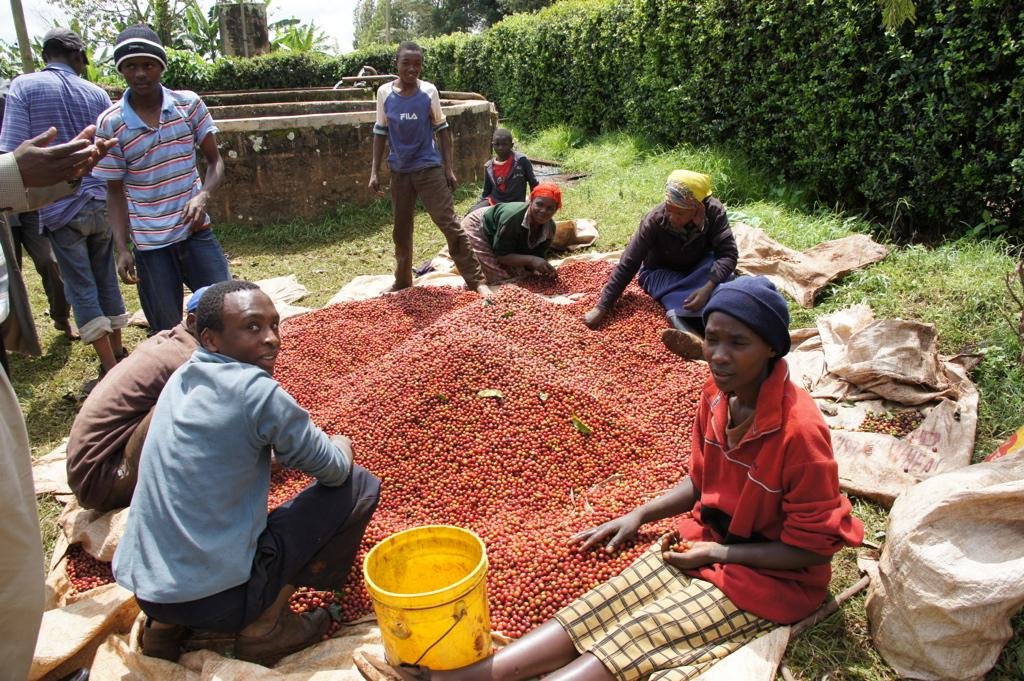
Marimira smallholder farmers
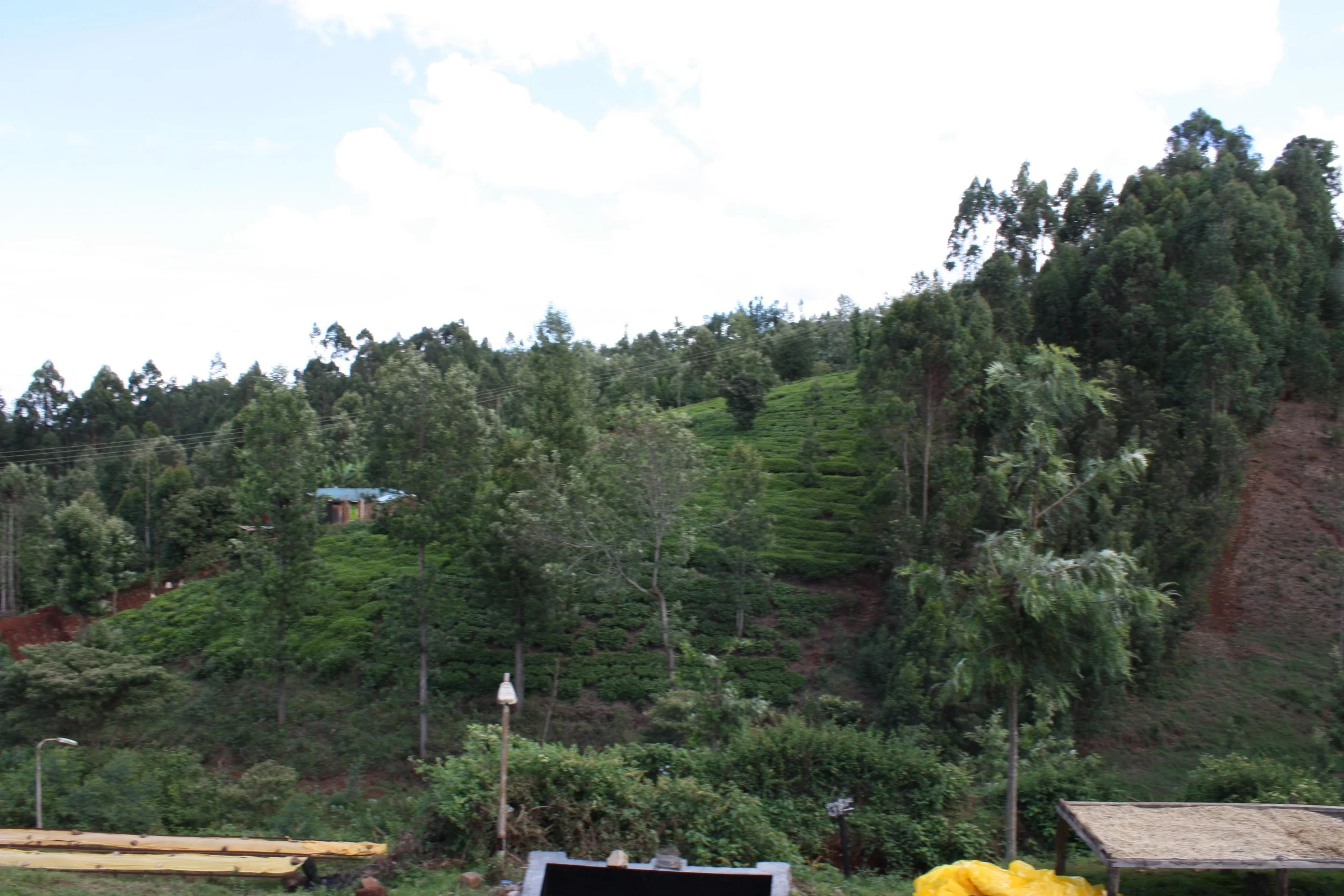
Located in Murang’a West District, Kangema Division, Muguru, the factory sits on the slopes of the Aberdare range. Established in 1966, Marimira was the fourth factory built under the Iyego FCS, and it sits at altitudes ranging between 1,500 and 1,700 meters above sea level.
Around 600 smallholder members contribute to the factory’s production, cultivating primarily SL28 and SL34 varieties in fertile red volcanic soils.
The factory is located in a well-preserved natural environment rich with indigenous trees like Muringa and Muiri, and wildlife such as antelopes, jackals, and a variety of bird species. In terms of sustainability, Marimira has introduced wastewater soak pits, allowing processed water to safely percolate back into the soil, minimizing environmental impact.
HARVEST AND PROCESS
Harvest & Post-Harvest
The region enjoys an average annual rainfall of 1,200mm, with temperatures ranging between 17°C and 26°C. Flowering occurs between March and April, while the main harvest takes place from October to December, with shipping typically between March and April.
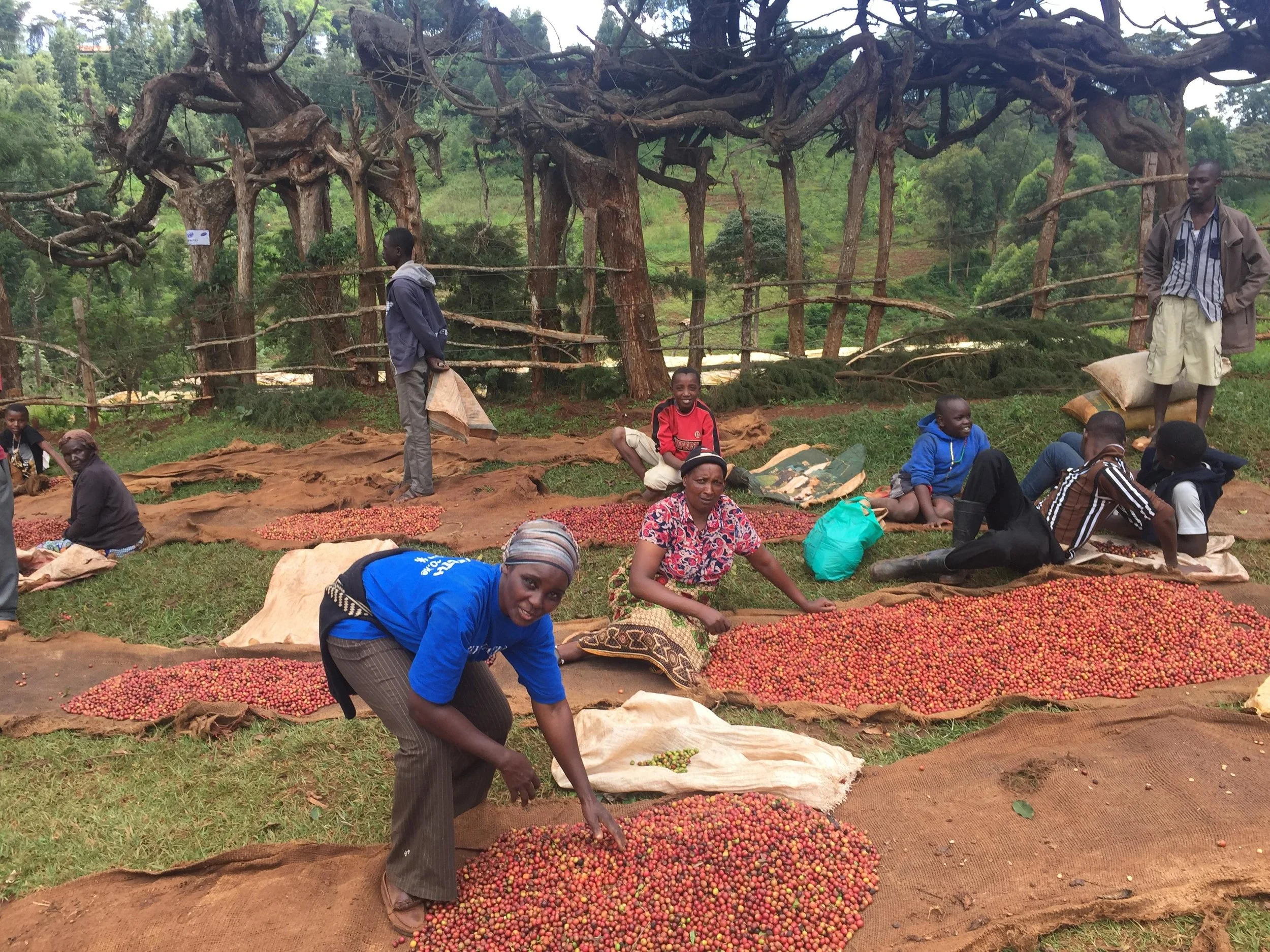
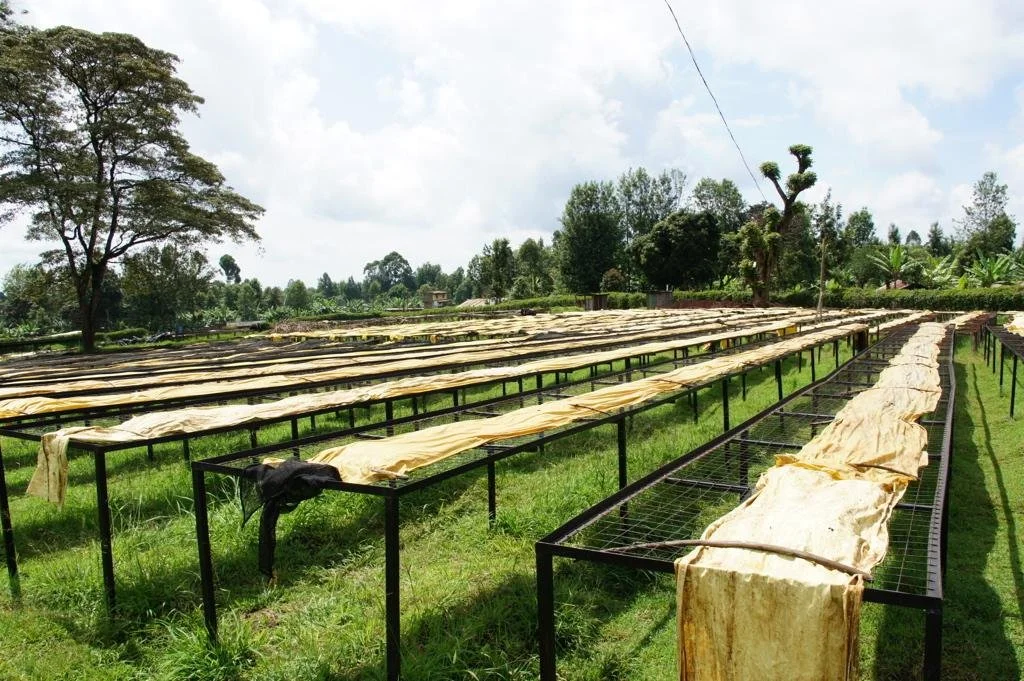
The Marimira Factory processes coffee using the fully washed method, utilizing fresh water sourced from the nearby River Mukungai. After harvesting, ripe cherries are handpicked, pulped, and fermented to remove mucilage. The parchment is then washed, hand-sorted to remove defects, and dried gradually on raised beds under the sun.
Impact
We collaborate with partners engaged in specialty coffee and initiatives aimed at farm sustainability, fair pricing, and quality bonuses for farmers. Our main emphasis lies in fostering long-term relationships with Farmer Cooperative Societies (FCS), ensuring consistent sourcing from the same producers annually. However, we also remain open to acquiring exceptional coffees from new producers or washing stations if they stand out during cupping evaluations.
The traditional auction system in Kenya is very transparent, with everything clearly separated into small lots and different grades. Farmers know exactly what portion of the sales price goes back to the cooperative society after processing costs. Some cooperative societies and factories are able to pay back up to 90% of the sales price after deducting marketing and preparation costs.
COFFEE IN KENYA
Despite sharing over 865 kilometers of border with Ethiopia, the birthplace of coffee, coffee had to circumnavigate the world before it set roots in Kenya. While the earliest credible reports place coffee in Ethiopia around 850 C.E., coffee was not first planted in Kenya until 1893 when French missionaries planted trees in Bura in the Taita Hills.
Under the rule of the British Empire coffee production geared for export expanded. Large, privately owned coffee growing estates were established and most harvests went to England in parchment, where it was sold to roasters prior to milling. Roasters often blended the bright flavors of Kenya with more chocolatey South American coffees.
Though large estates grew in hectarage and value, indigenous Kenyans did not benefit. In fact, European settlers took direct action to exclude indigenous people from growing coffee themselves.
In order to decrease competition, make labor accessible and inexpensive and continue the increase of demand for high-quality coffee, the Coffee Board was created to make regulations on coffee production and marketing. The Nairobi Coffee Exchange (NCE) (which continues to this day) was established in Nairobi to leave more of the value of green coffee at origin.
The Coffee Board tightly controlled licensing for coffee growing and processing. While the laws put in place did not explicitly state that indigenous people could not grow coffee, large estate owners made it functionally impossible for indigenous farmers to attain coffee growing licenses until the 1950s.
These laws protected the interests of the large landowners. Not only could more cultivation drive down the price of Kenyan coffee, but large farmers feared that if smallholder and indigenous farmers had their own coffee farms to tend, they would not work as paid laborers on settlers’ farms.
SL-28 and SL-34 are well-known Kenyan coffee varieties. They were bred by Scott Agricultural Laboratories (SAL). SAL was founded in 1903 by the Kenyan Colonial government to function as a research institution studying agricultural products.
SL-28 and SL-34 quickly became the varieties of choice for most growers. Their deep root structures helped them acquire water in the dry environments present throughout much of Kenyan, even without irrigation. These varieties also had higher yields than the traditional French Bourbon rootstock and were considered somewhat more disease resistant.
Though both SL varieties spread across Kenya extremely quickly, the release of Ruiru-11 in 1985 by the Kenya Coffee Research Institute (CRI) brought a new kid to the block. Many farmers planted the new Ruiru-11 variety because it was far more resistant to Coffee Berry Disease (CBD), a fungal disease attacking ripening coffee cherry, and Coffee Leaf Rust (CLR), a fungal disease that targets the leaves of coffee trees. It could also be planted at a higher density than the SL varieties, allowing farmers to maximize yields on small plots of land.
One downside to Ruiru-11 was that its shallower root structure made is more susceptible to drought and required more fertilizer. Farmers found that that by grafting Ruiru-11 to SL variety trees, they could have the best of both worlds. Trees where Ruiru-11 was grafted onto an SL variety plant had deeper root structures for drought-times (thanks to the SL variety) and higher immunity to disease and larger yields (thanks to the Ruiru-11).
Other farmers are experimenting with Batian, as well, a relatively new variety introduced by Coffee Research Institute (CRI) in 2010. Batian is named after the highest peak on Mt. Kenya and is resistant to both CBD and CLR. The variety has the added benefit of early maturity and begins bearing fruit after only two years. Some challenges (such as vegetative structure) have prevented it from becoming widespread so far, but its popularity is certainly growing.
While most farms in Kenya still have the traditional SL varieties, most also have Ruiru-11 and, increasingly, Batian. Most farms are far too small to be able to handle lot separation by variety. This means that most lots coming out of Kenya—whether single estate or smallholder group—are a blend of SL, Ruiru-11 and (sometimes) Batian.

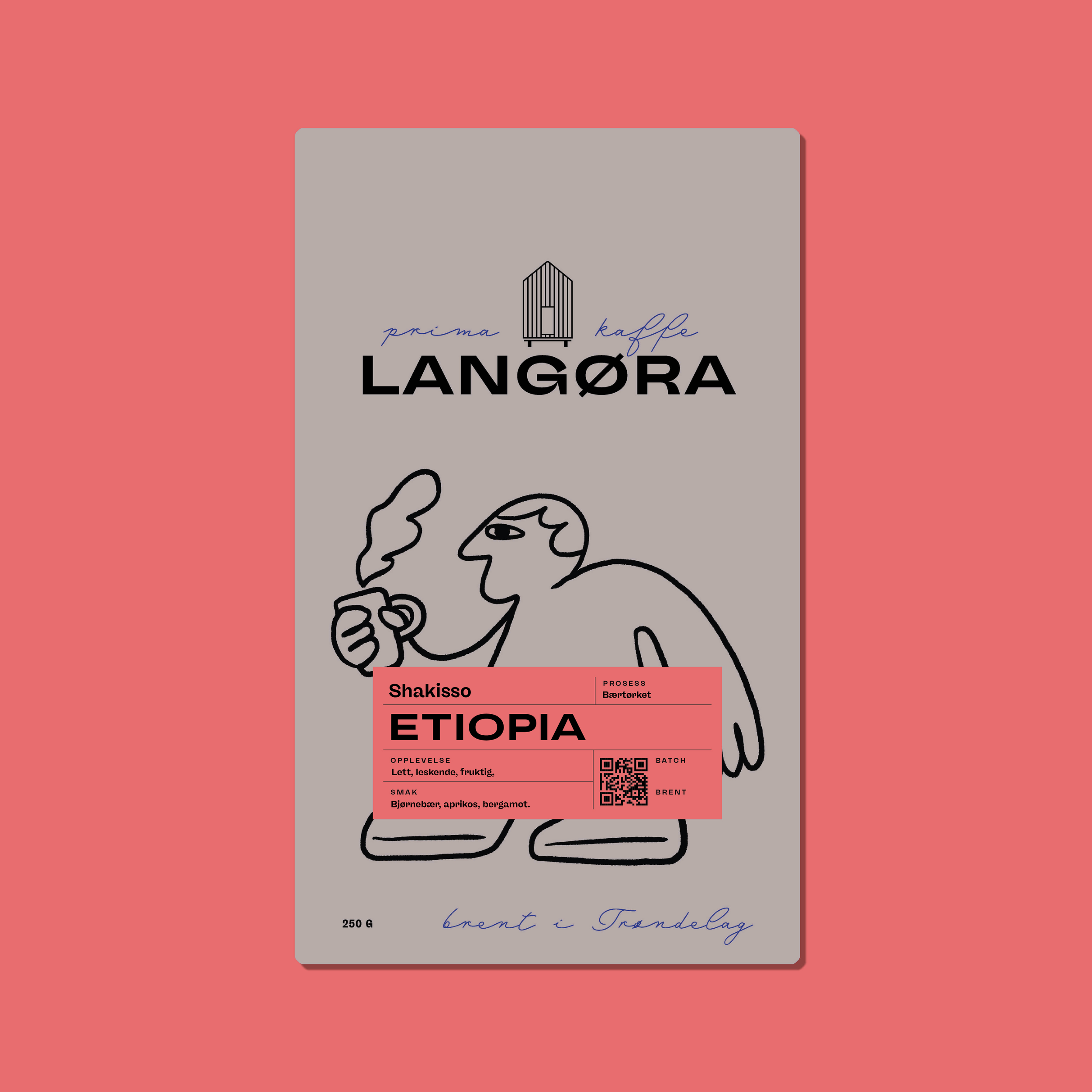
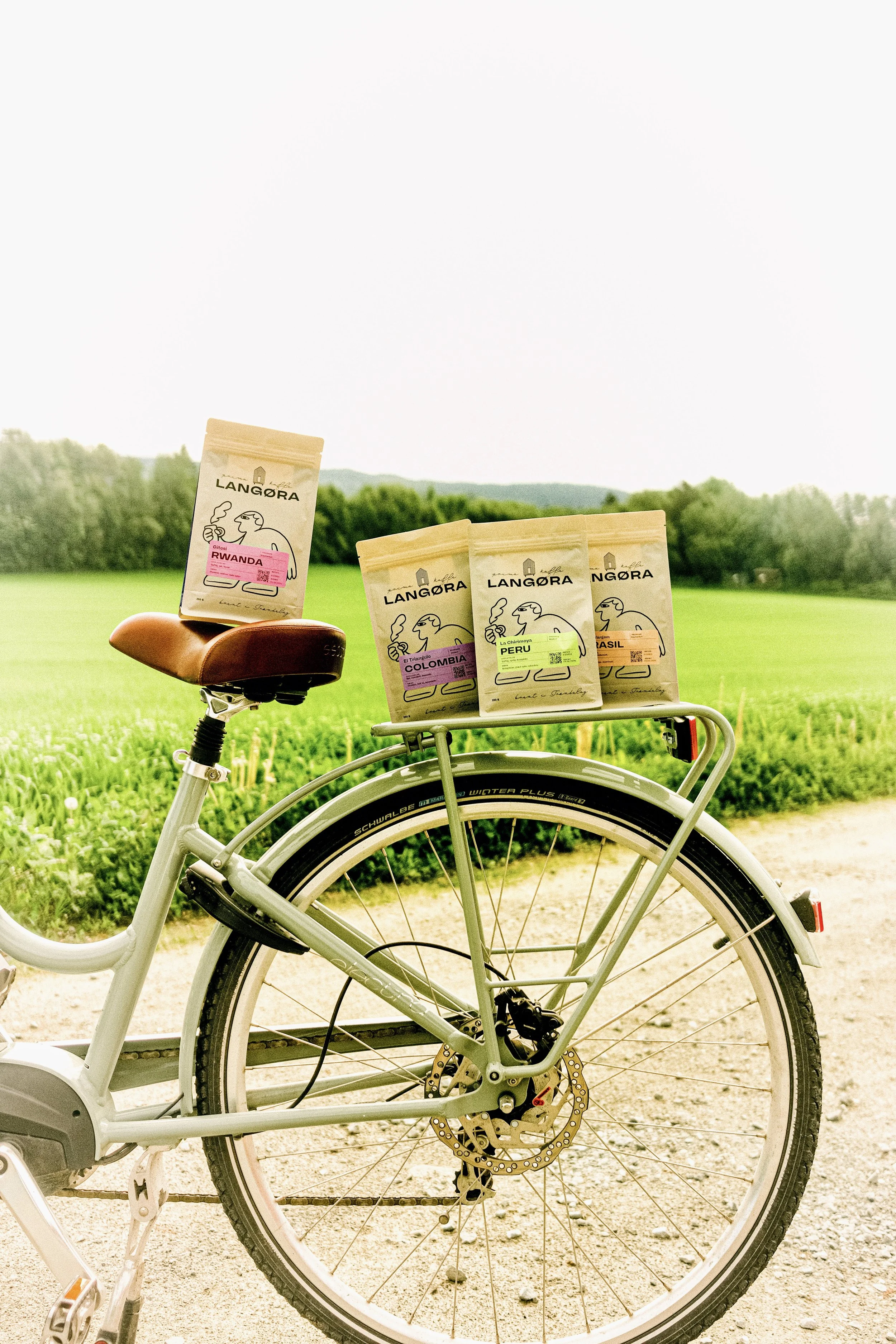
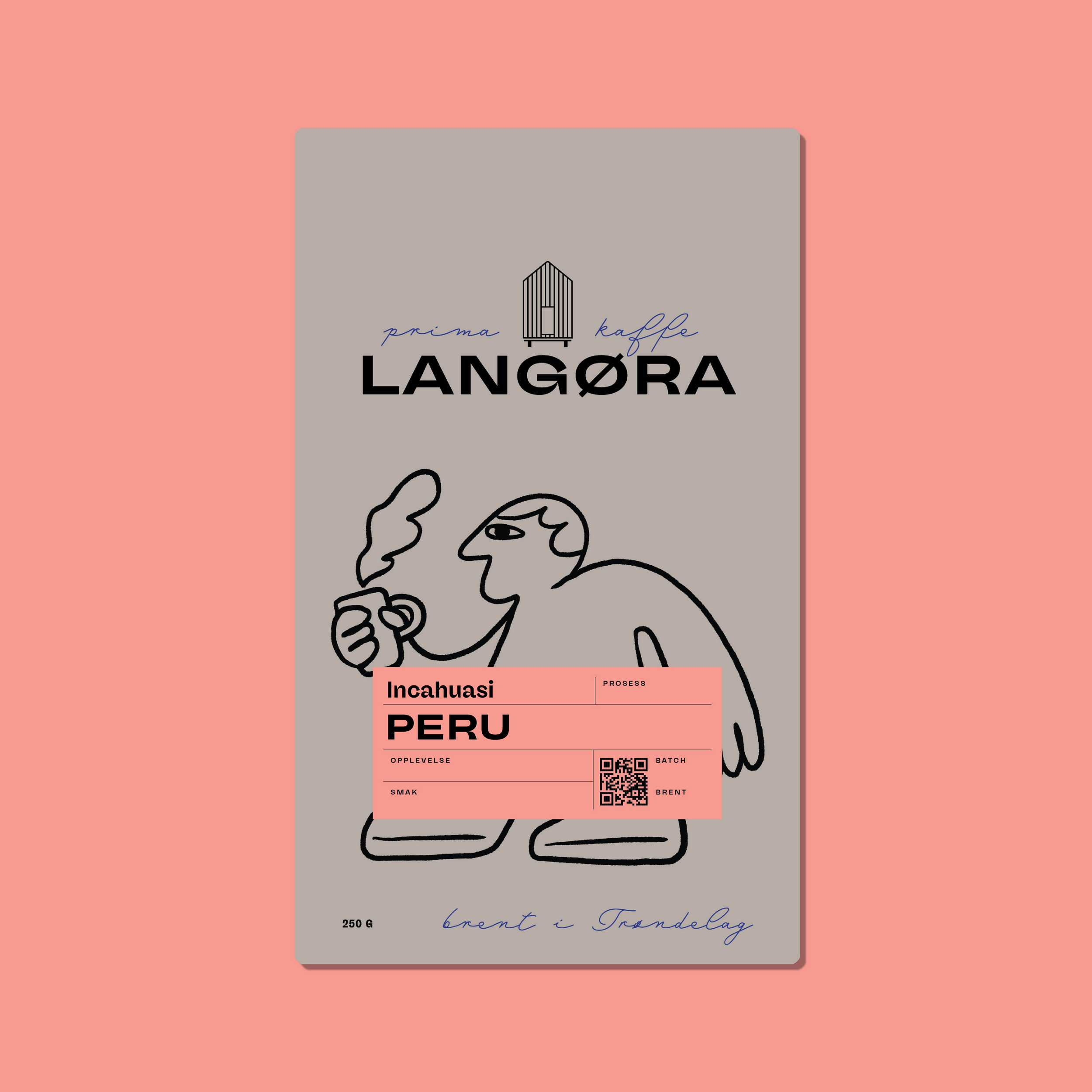
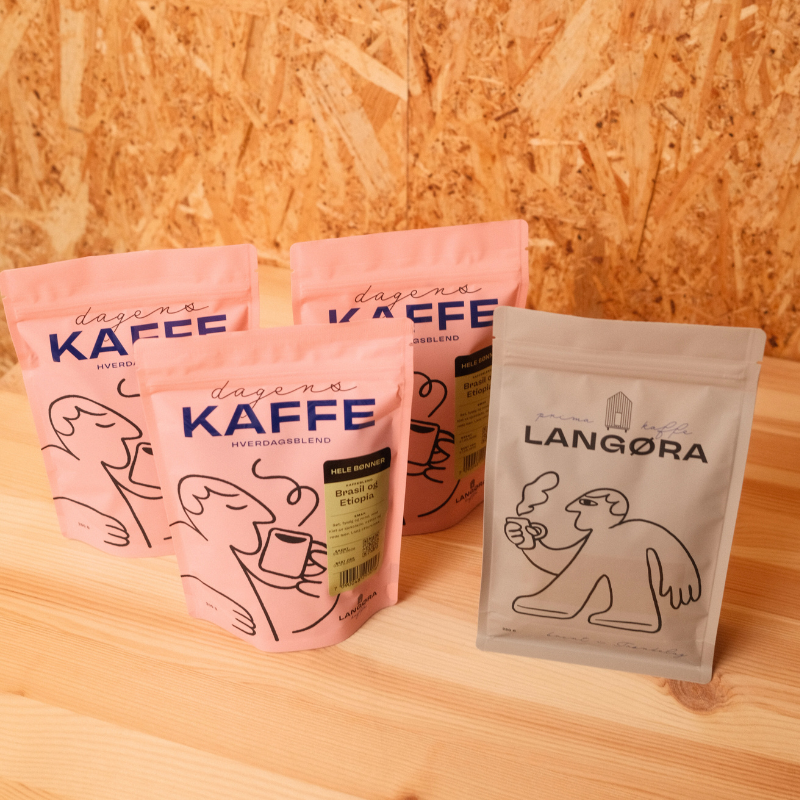
Check out more coffees in our store:




Luke 3
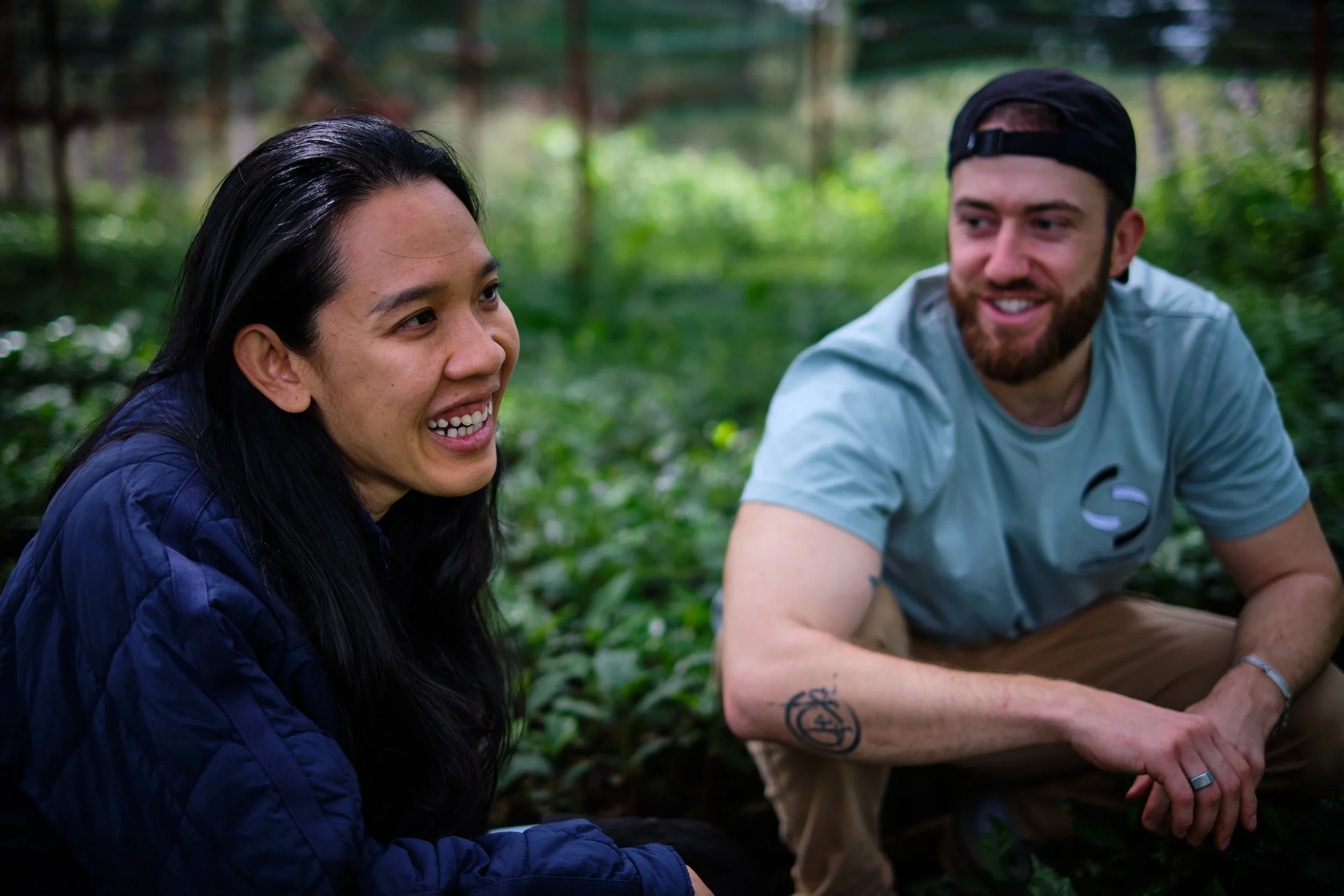
Rừng Già: Jungle
COUNTRY: Vietnam
FARM/COOP/STATION: Núi Bà Bidoup
VARIETAL: Bourbon
PROCESSING: Black honey
ALTITUDE: 1500 - 1600 m.a.s.l
OWNER: The K’Ho people
SUBREGION/TOWN: Lạc Dương
REGION: Đưng KNớ
HARVEST MONTHS: Nov. 2024 - Jan. 2025
FLAVOUR NOTES: Brown sugar, baking spices, cherry, hops, bittersweet chocolate, cooked apples, slightly earthy
ABOUT THIS COFFEE
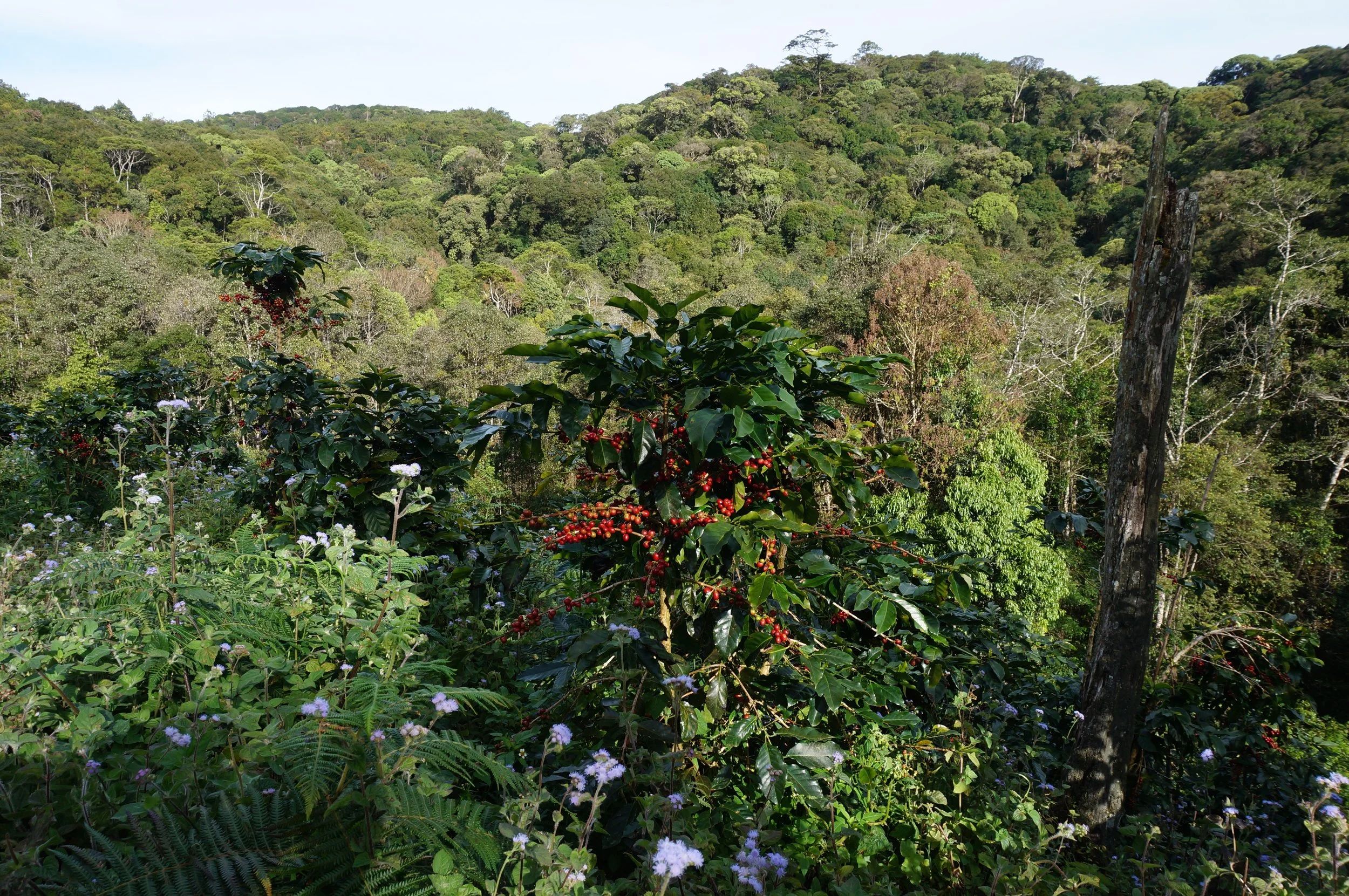
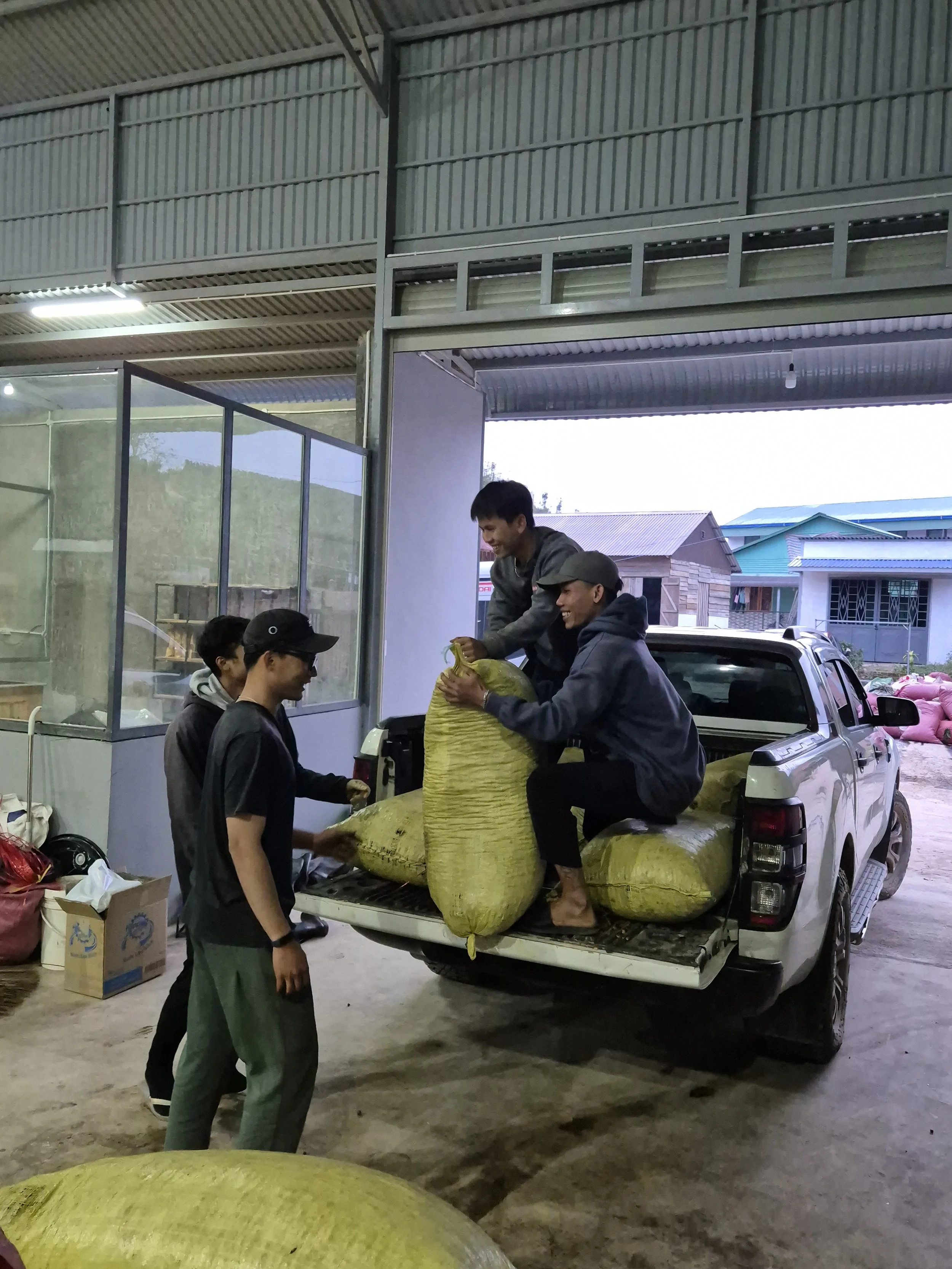
Lộc Rừng is based in Đưng K’Nớ, a village in the Lạc Dương district at around 1,500 meters above sea level. The area is surrounded by the native forests of Núi Bà Bidoup. Its hills rise up to 1,850 meters, often shrouded in thick fog which gave the “invisible village” its nickname. The area is home to many K’Ho families who rely on agroforestry and farming for their livelihoods. Coffee is the main crop here, with over 800 hectares of individual small plots under cultivation.
Focus on Specialty Coffee
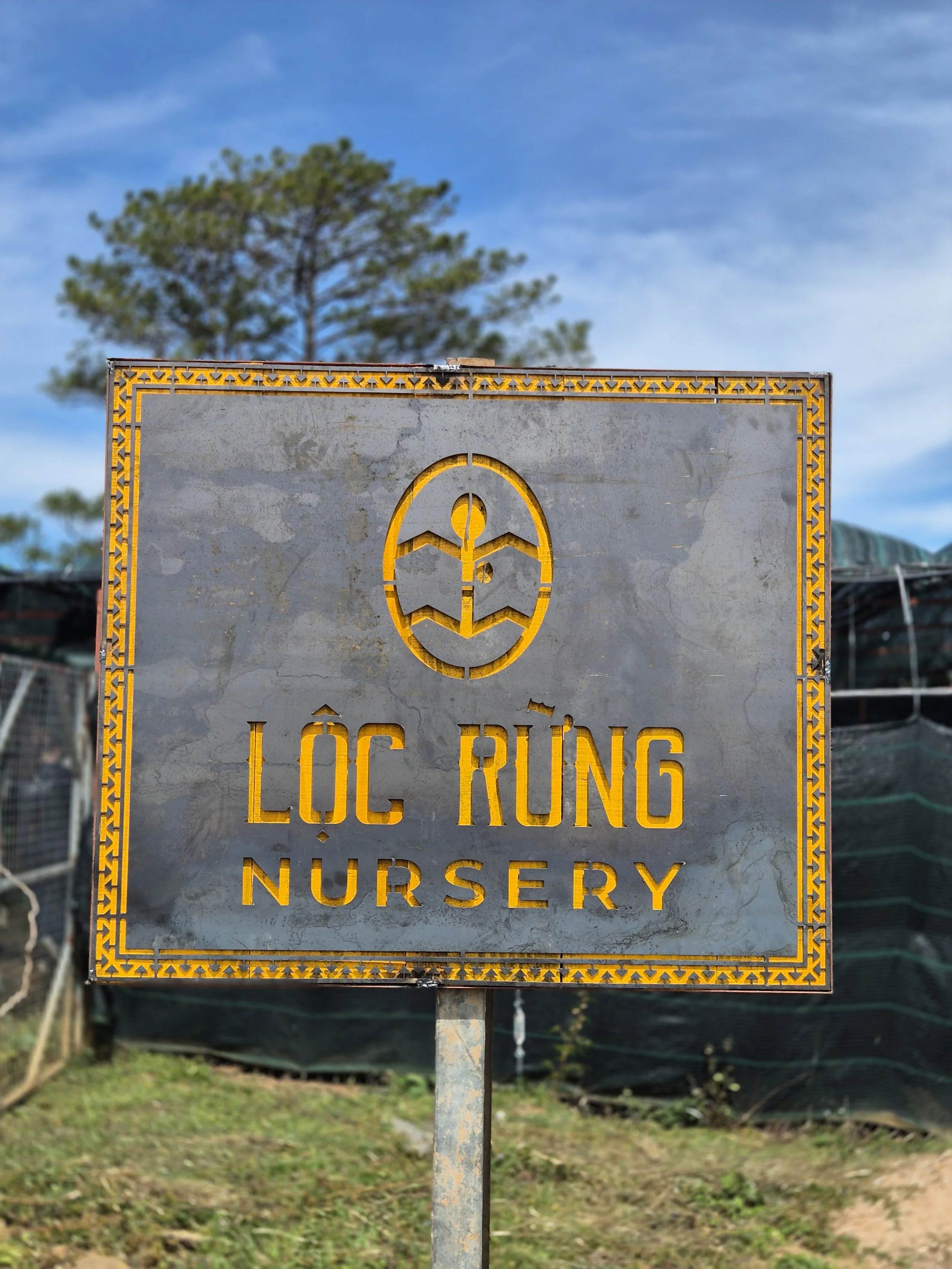
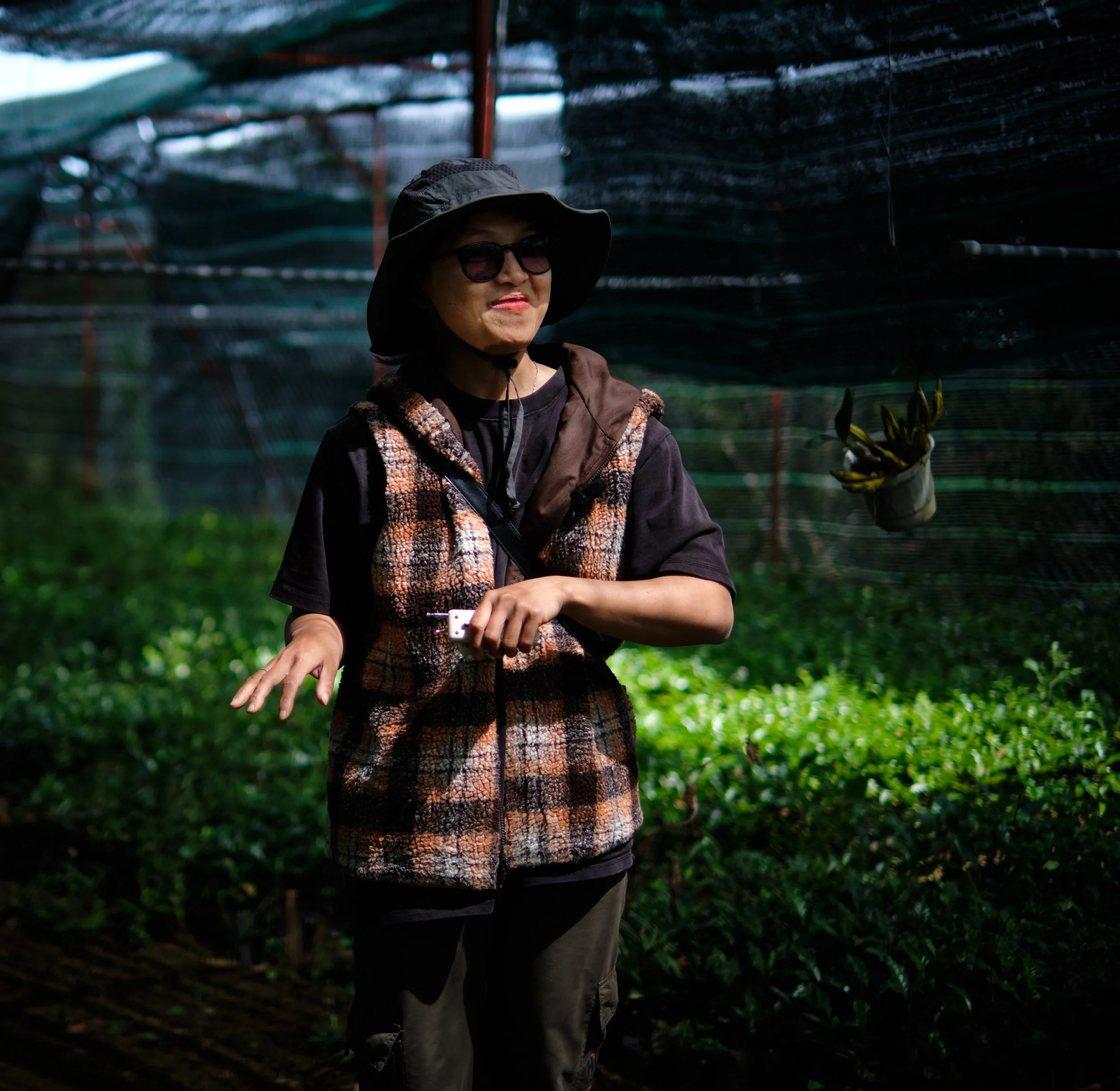
Lộc Rừng’s approach is based on quality and fairness. They work directly with farmers from their community and support them with knowledge and resources to improve their farms. It’s a system built on trust and long-term collaboration, aiming to bring stability and create lasting value. With their own coffee nursery, established in 2023, they grow and share different Arabica varieties with a focus on quality and crop security at the same time. The seedlings are then shared with local farming partners in the community.
Arabica and the K’Ho – A Shared History
Arabica has a long but rather quiet history in Vietnam. First introduced by the French in the 19th century, it took root in the highlands of Lâm Đồng province, where altitude, volcanic soil and climate offered the right conditions for varieties like Typica, Bourbon and Caturra to survive. While the country more recently became known globally for Robusta, Arabica continued to grow in Lạc Dương district, largely untouched by government-driven Robusta initiatives.
The K’Ho people have lived off the land for generations. Their knowledge of the nature and its cycles is deeply rooted. During the 1990s, a push toward chemical fertilizers and pesticides, however, aimed to boost productivity and reduce poverty. But the long-term effects were harsh. Soils turned weak, plants more fragile. Slowly, and with persistence, many K’Ho farmers began to return to traditional methods. Shade trees, organic compost and intercropping are now part of the movement to restore fertility and balance in this sensitive ecosystem.


COFFEE IN VIETNAM
PLACE IN WORLD PRODUCTION: #2
AVERAGE ANNUAL PRODUCTION:
30,850,000 (in 60kg bags)
COMMON ARABICA VARIETIES:
Catimor, with some Typica & Bourbon
KEY REGIONS:
Central Highlands (Lam Dong province) | North Vietnam (Son La, Dien Bien provinces)
HARVEST MONTHS:
Central Highlands: November - January | North Vietnam: October - January
Vietnam has a long, complex cultural history. There is evidence that early humans settled in the region at least 500,000 years ago, and the first Vietnamese states occurred nearly 5,000 years ago.
In the modern era, Vietnam was occupied by French troops during their first attack on Danang in 1858. Following this, as in so many other colonized countries, coffee came to Vietnam on the ships of French missionaries. The missionaries trialed different regions across Vietnam before determining that the Central Highlands were the best place to cultivate coffee. Interestingly enough, the first coffee planted in Vietnam was Arabica, not the Robusta that is so widely grown there today.
Robusta did not arrive in Vietnam until nearly 30 years later when, in 1908, the French brought Robusta, along with another variety, Excelsa, to the Central Highlands. Even after the arrival of Robusta, Vietnam did not immediately become the Robusta-producing giant that we know it to be today. The area under coffee cultivation continued to grow slowly.
In the 20th century, Vietnam suffered two decades of horrific violence and destruction (1955-1975) that left the country suffering for many years after the war had ceased. The Đổi Mới (Vietnamese for “Renovation”) reforms were launched by the government in 1986 in an effort to boost the country’s economy and world-wide standing. , These reforms broke from Vietnam’s previously insular politics. Importantly, the let Vietnam enter the global market and allowed private enterprise. They also allowed privatization of land, which presented an opportunity for increased agricultural productivity. The government also focused resources on investing in the coffee industry with the intention of making it a key cash crop. They initiated state-funded farms and encouraged households to grow coffee on their own lands. Unsurprisingly, production has grown astronomically since the introduction of the reforms.
Another area of focus has been continued investment in research. A number of research institutions across Vietnam have focused on creating new hybrids and improving grafting techniques. As a result, farmers have access to a wide range of Robusta varieties to help them maintain healthy and disease-resistant rootstock.Today, with a total production of about 30 million bags, around 95% of coffee grown in Vietnam is Robusta. Vietnam has the highest yields globally with an output of 2.8 tons of coffee per hectares. This is a full ton higher than the second-highest yield of 1.4 tons per hectare in Brazil.
While Vietnam is 13th in global Arabica production volumes, when Robusta production is included, Vietnam ranks second in the world for total coffee volume. Only Brazil has a higher production volume.
Privately run farms compose 95% of coffee farms in Vietnam today. Estimates suggest that about 85% of total production area is cultivated by households. Of the area farmed by households, 63%—or approximately 650,000 families—are smallholders with less than one hectare. The remaining 5% are state-run but that number is gradually shrinking as the land is redistributed to small farmers.
Natural processing is the most common method, where cherry is typically sundried on plastic tarps. In the past, little attention was given to quality differentiation during post-harvest activities. This, however, is changing rapidly.
From the beginning of the Đổi Mới reforms to around the end of the International Coffee Agreement in 1989, the government purchased all coffee grown in Vietnam at set prices. Since all coffee received the same price, there was little incentive to improve cup quality or cultivate the more-difficult-to-grow Arabica.
Today, the growth of the specialty coffee industry, combined with low prices for commercial coffee, has sparked farmers’ interest in growing higher quality Robusta coffee and venturing into Arabica cultivation.
The main variety planted in Vietnam is Catimor, a hybrid of Caturra and Timor (itself an Arabica-Robusta hybrid). While Catimor boasts high yields and high disease-resistance, it’s not typically prized for its cup quality. So, many producers are turning to other varieties to produce more dynamic and higher-paying coffees.
Producers are also focusing on improving their selection and processing techniques. This focus on improvement begins at harvest time. Farmers and their workers have begun to employ more selective harvesting techniques, and better post-harvest quality controls are increasingly being implemented.
Other producers are venturing into experimental processing to increase harvest quality and, ultimately, sale price. Some producers are focusing on yeast or enzyme fermentations, others are using anaerobic fermentation. At this point, most of this experimentation is used on microlots. In the future, more farmers may turn to processing most or all of their harvest using advanced or experimental processes to help increase sale prices.

Check out more coffees in our store:

Luke 2
Los Suspiros
COUNTRY: Guatemala
FARM/COOP/STATION: Finca Los Suspiros
VARIETAL: Villa Sarchi
PROCESSING: Fully washed
ALTITUDE: 1,500 to 1,900 meters above sea level
OWNER: Axel Palacios
REGION: Huehuetenango
SUBREGION/TOWN: Palmira, La Libertad
FARM SIZE: 20 hectares
HARVEST MONTHS: November - April
FLAVOUR NOTES: Stonefruit, almonds, dried papaya
ABOUT THIS COFFEE
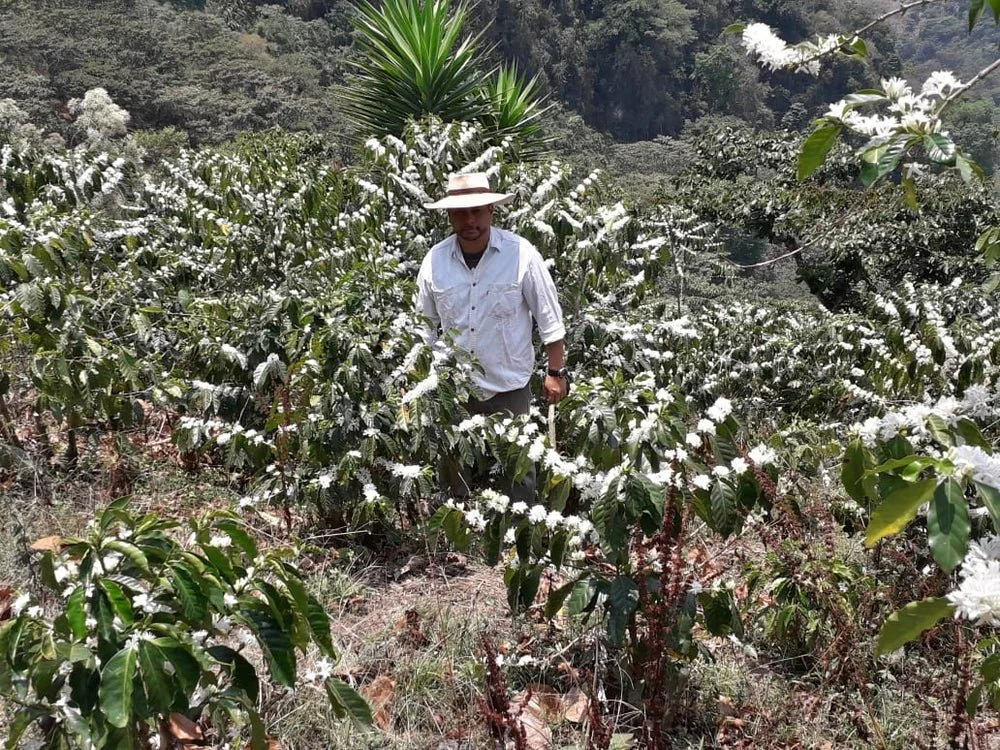
The farm is named Los Suspiros, which means “the sighs” in Spanish, because of the fresh breezes of air you can experience whenever you pause to appreciate one of the incredible views.
Juan Palacios established Finca Los Suspiros in the early 1930s. He planted coffee trees and also grew corn and tobacco and bred cows. In those years, Don Juan loaded his coffee on mules and traveled a full 5 days on horseback to bring his harvest to Huehuetenango City.
Juan bequeathed his farm to his only son, Amadeo. Under Amadeo, the farm shifted focus to solely coffee production. In 1997, Amadeo gave 70 hectares to his grandson – the current owner - Axel Palacios.
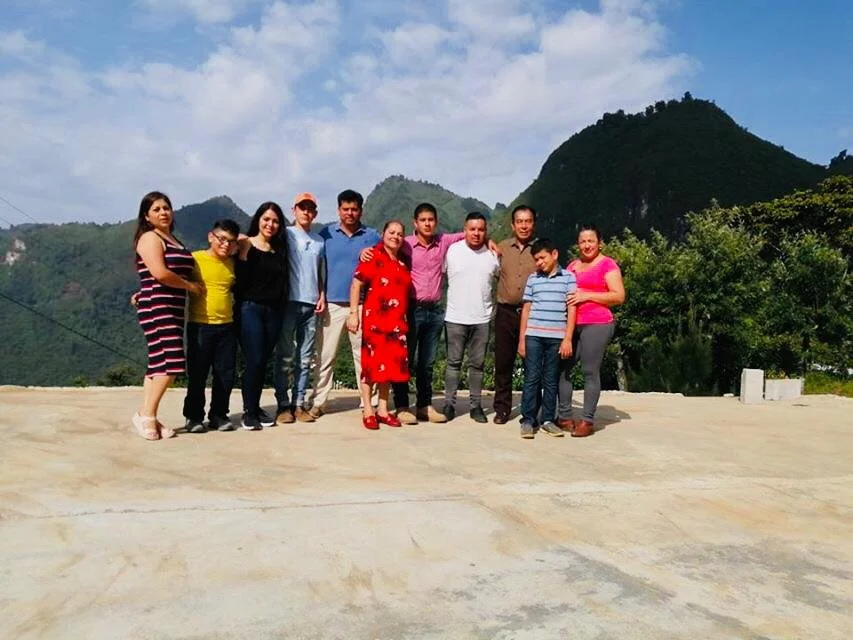
Now the 4th-generation of Palacios to own and operate Finca Los Suspiros, Axel is dedicated to specialty coffee production. Axel joined his childhood friends, Fredy and Alejandro Morales, as they expanded their family farm, Finca Rosma, into a specialty exporter. Today, Alex and the Morales brothers operate Finca Los Suspiros as part of their joint venture, the specialty coffee exporter, Rosma Coffeelands.
HARVEST AND PROCESS
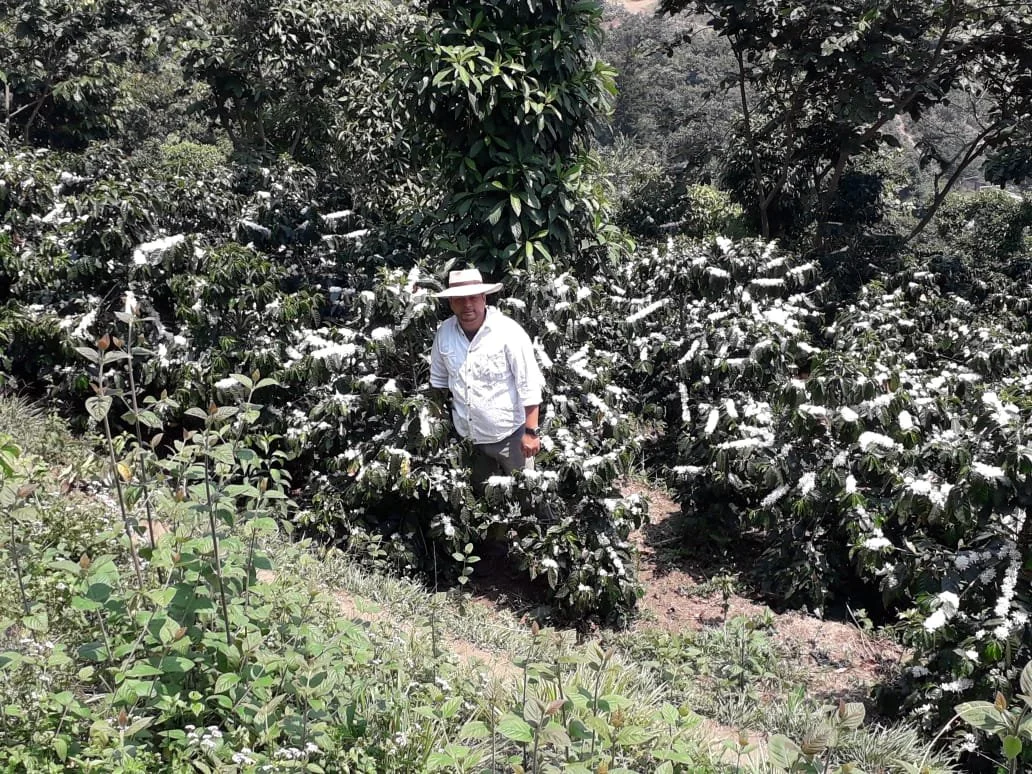
Los Suspiros is primarily planted under Bourbon and Caturra, both of which are commonly grown varieties in Guatemala's Huehuetenango region. Axel has also planted plots of Villa Sarchi, a mutation of the Bourbon variety. Production has become significant enough that single varietal lots, such as this one, can now be produced.
Coffee from Los Suspiros is processed at the Huehuetenango valley location, where the Rosma Team works with Palacios to decide on the best processing method for the delivered cherries. If the season is cloudy, Honey is often selected. For bright, sunny days, Natural processing will often be the selection. And for wonderfully 'normal' seasonal weather, the Fully washed method will win out, as it did for this lot!
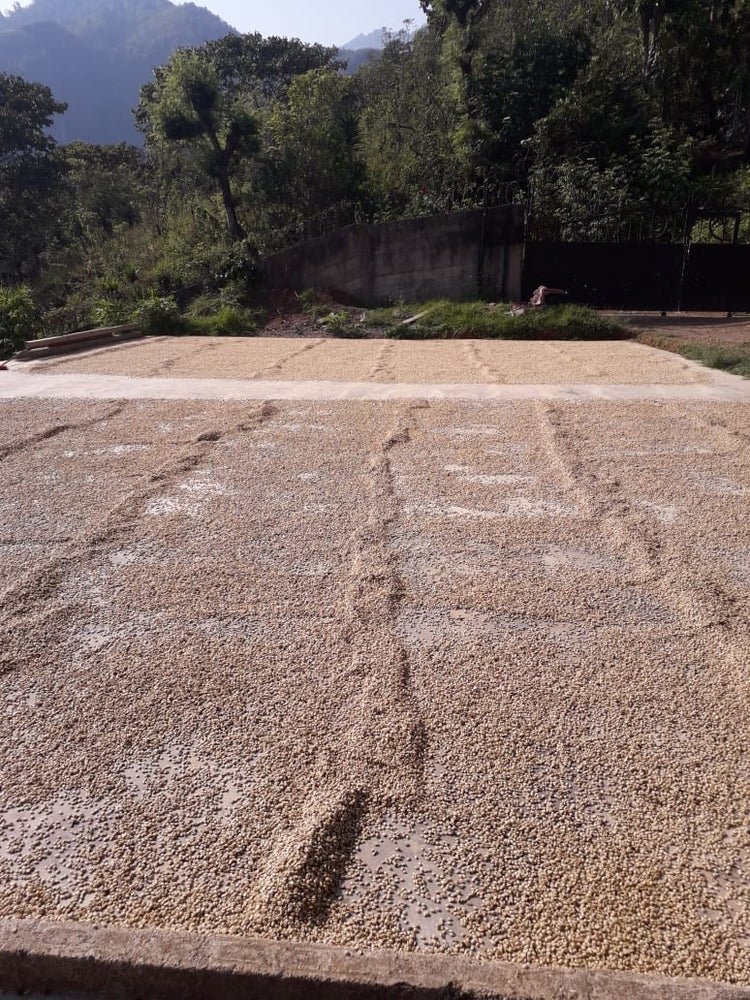
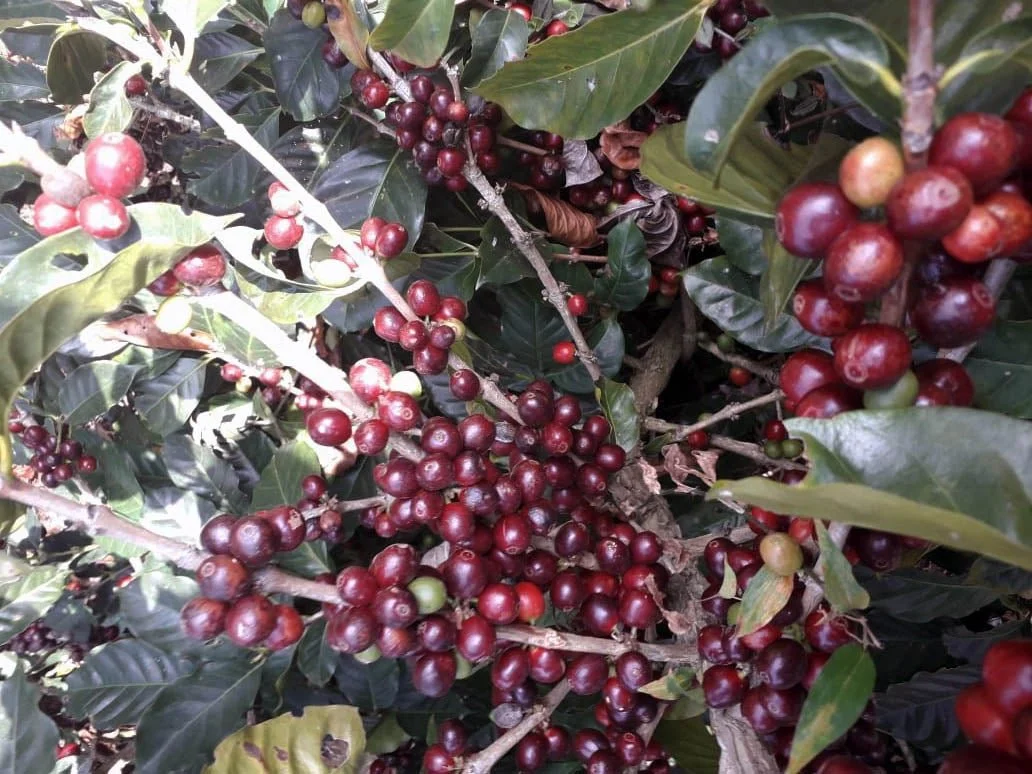
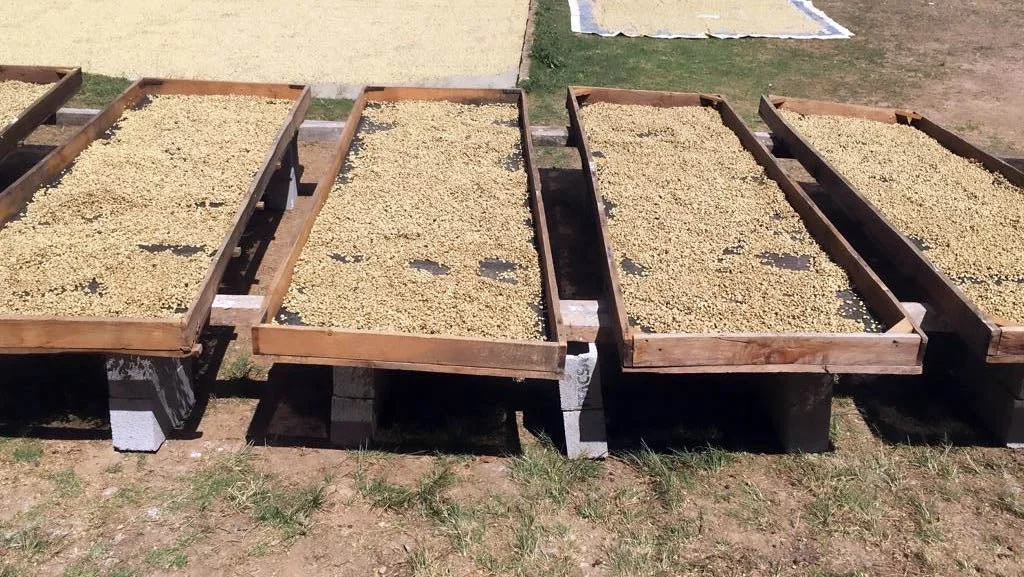
Cherry is selectively handpicked and then sorted to ensure only ripe, red cherry is processed. Axel maintains a strong relationship with his hired pickers to ensure that they understand the need for selective picking and are dedicated to picking only the best cherry. Once at the on farm wet mill, cherry is floated to remove any underripes. Cherry is pulped and fermented in fermentation tanks for 24 hours. Following fermentation, parchment is washed in clean water and laid on patios to dry. Parchment is raked frequently to ensure even drying.
COFFEE IN Guatemala
PLACE IN WORLD PRODUCTION: #11
AVERAGE ANNUAL PRODUCTION:
3,620,000 (in 60kg bags)
COMMON ARABICA VARIETIES:
Bourbon, Caturra, Catuai, Typica, Maragogype, Pache, Pacamara
KEY REGIONS:
Acatenango | Antigua | Atitlán | Cobán | Fraijanes | Huehuetenango | Nuevo Oriente | San Marcos
HARVEST MONTHS:
November - April

Some accounts have coffee cultivation in Guatemala starting as early as the mid-18th century, when Jesuits brought coffee plants to decorate their monasteries in the city of Antigua. There are accounts dating back to the early 1800s of Guatemalans drinking coffee. Around that time, a perfect storm of blocked trade routes during the Napoleonic Wars, crop-destroying locusts and the creation of cheaper and longer lasting artificial dyes conspired to cripple Guatemalan exports of Indigo, one of the country’s main cash crops. In order to bolster their failing economy, many people began cultivating coffee as a new cash crop.
For the next 150 years, most arable coffee lands were owned by large landowners of European descent. These landowners employed indigenous people from the highlands, few of whom officially owned their own land, to tend and harvest coffee on large farms. This model, while contributing greatly to existing inequality, also put Guatemala on the global map of coffee production.
In June 1952, during the Guatemalan Revolution, Congress passed Decree 900, also known as the Agrarian Reform Law. The law redistributed land from nearly 1,700 estates to 500,000 landless peasants. The majority of beneficiaries were indigenous people who had not had access to land since the Spanish Conquest in the 1500s. In turn, the law angered many powerful landowners, including the United Fruit Company and the United States, who saw the reform as a communistic threat. The land reform law is often cited as an inciting factor in the 1954 coup d'état that marked the beginning of decades of civil war.
The Guatemalan civil war did not end until 1996, and the violence of the second half of the 20th century hindered the Guatemalan coffee industry significantly. Peacetime stability slowly worked to spread coffee production beyond historic coffee growing regions. Beginning in the 21st century, land where popular crops like macadamia and avocado were once grown came to be replaced with coffee.
Today, the Guatemalan coffee sector is a behemoth. It generates around 40% of all agricultural export revenue and almost ¼ of the population is involved in producing the 3.6 million bags of coffee Guatemala exports each year.
Guatemala’s strictly hard beans (those grown above 1,350 meters above sea level) are considered to be among the world’s best coffee. In particular, beans grown on the southern slopes of the country’s many volcanoes are considered highly desirable. Regional blends from areas like Atitlan and Huehuetenango are pursued with similar fervor as single farm lots from Antigua.
Guatemala’s stellar coffee reputation is a combination of the right environmental conditions and a strong focus on cultivation and processing methods. Coffee is widely cultivated and grows in 20 of the 22 departments in Guatemala. High altitudes, consistent rainfall and mineral-rich soils make coffee an excellent crop across much of Guatemala. The nearly 300 unique microclimates means that Guatemalan coffees boast a diverse range of flavors.
Almost all coffee is Arabica and 98% is shade grown. Nearly all Arabica production is Fully washed, but natural and honey methods are becoming increasingly popular and producing many excellent lots. Many in the country are employing experimental processing methodologies, including soaking after washing, and Guatemalan farmers have been at the forefront of greenhouse drying methodologies. Guatemala’s high altitudes, diverse microclimates, consistent rainfall patterns, and excellent cultivation and processing, make for a variety of distinctive types of Guatemalan Arabica coffees.

Check out more coffees in our store:

Luke 1
Kjære kaffevenn,
Da er endelig adventstiden i gang. Tusen takk for at du har skaffet deg årets adventskalender fra Langøra! Vi håper du blir fornøyd med kaffene som gjemmer seg i lukene, og at du får noen herlige kaffeøyeblikk frem mot jul. - Hilsen oss i Langøra
KONKURRANSE:
Del dine bilder og videoer av Langøras adventskalender på Instagram, Facebook eller TikTok under #langørakaffe og @langorakaffe .
Vi trekker tre vinnere som får 6 måneders kaffeabonement på nyåret.







(ved å delta i konkurransen godtar du at vi kan bruke bildene i markedsføring)
LUKE 1
Diima Halo #3
COUNTRY: Ethiopia
FARM/COOP/STATION: Halo washing station
VARIETAL: Heirloom
PROCESSING: Anaerobic Natural
ALTITUDE: 2000 - 2100 masl,
OWNER: Negusse D. Weldyes
SUBREGION: Gedeb
REGION: Yirgacheffe
HARVEST MONTHS: Low elevations: October - December | High Elevations: November - January
FLAVOUR NOTES: Peach, citrus peel, white and purple flowers, with an acidity reminding us of pineapple and some mild estery funk in the aftertaste
ABOUT THIS COFFEE
(Text by our friends at green coffee importer Nordic Approach)
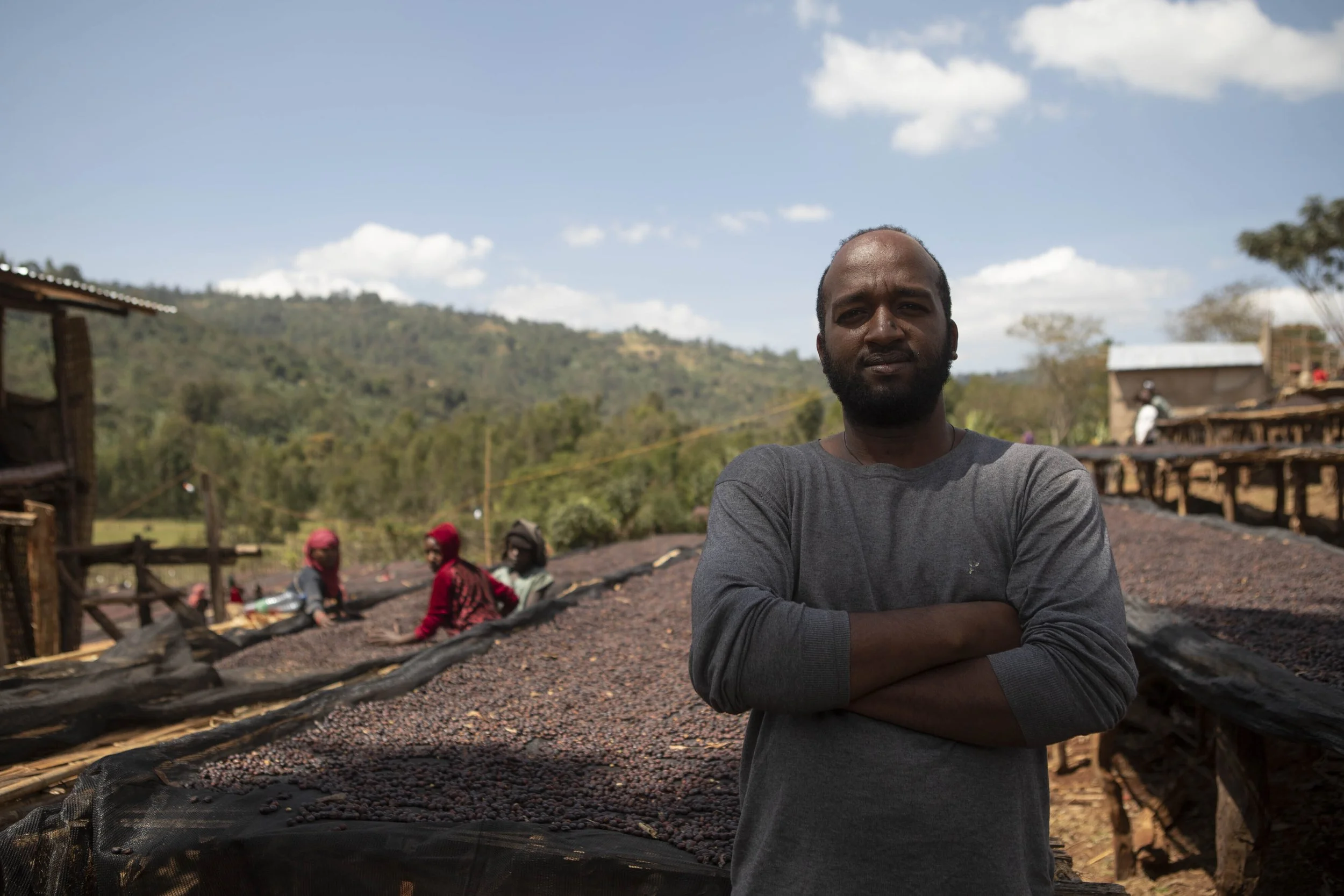
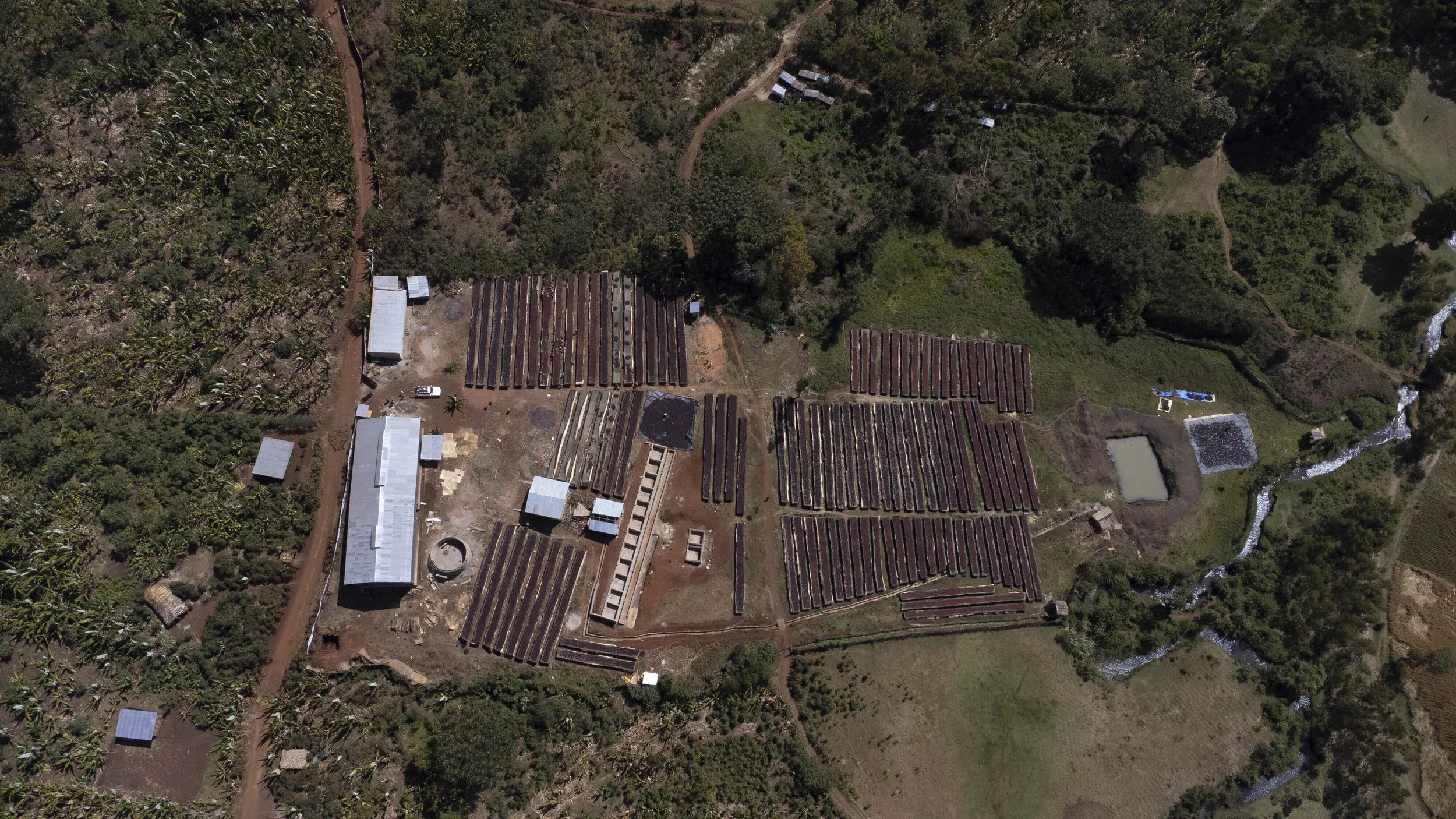
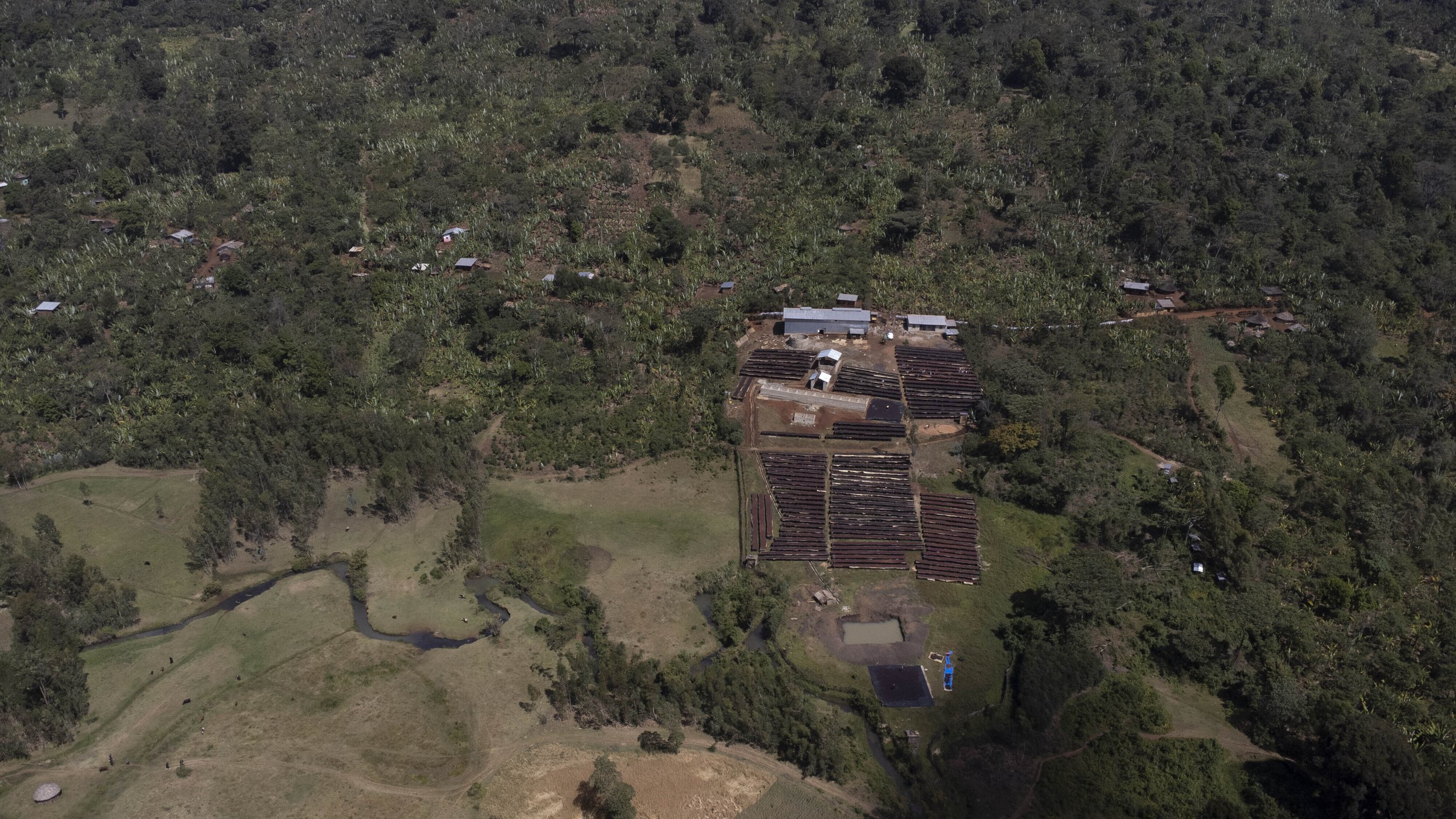
The Halo washing station is located in the village of Halo Barite in Gedeb, Gedeo Zone—an area also referred to as Yirgacheffe. Sitting at altitudes between 2000 and 2100 masl, the site works with around 700 smallholder farmers. Farms here are typically semi-forested and densely vegetated with shade trees, including false banana. The surrounding landscape allows cherries to be delivered to the station within a short distance, preserving their quality and freshness.
SNAP Coffee
SNAP COFFEE, our export partner, was founded in Addis Ababa in 2008 by Negusse D. Weldyes. Operating three coffee washing and processing stations in Chelelektu, Kochere District of the Gedeo Zone, and collaborating with washing stations in Uraga (Guji) and Nensebo (West Arsi), the company serves an average of 550 farmers per station.
Their supply policy revolves around three key principles: ensuring consistent processing of specialty coffee, sharing essential knowledge and training on processing and cleaning methods to partnering farmers, and implementing waste recycling systems to protect the environment.
Impact
SNAP focuses on supporting smallholder communities in various ways. They provide technological equipment to newly built schools in the regions they work in, and construct new roads in less accessible farming areas. Their future goals consist of building clinics that will improve healthcare access for farmers in washing station areas.

The cherries that contributed to this lot have been anaerobically fermented for 110 hours at the Halo washing station in the village of Halo Barite, Gedeb.
Processing:
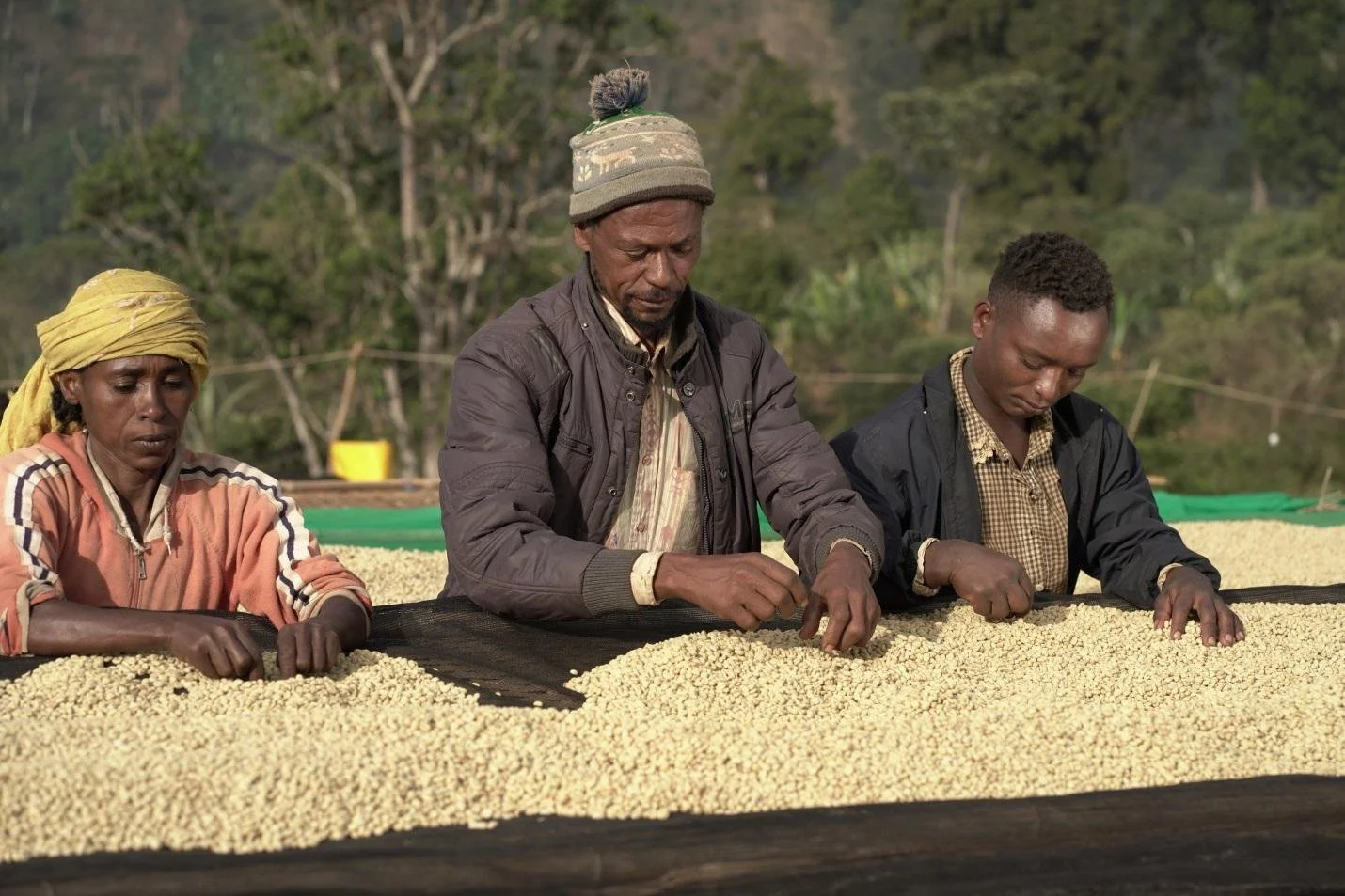
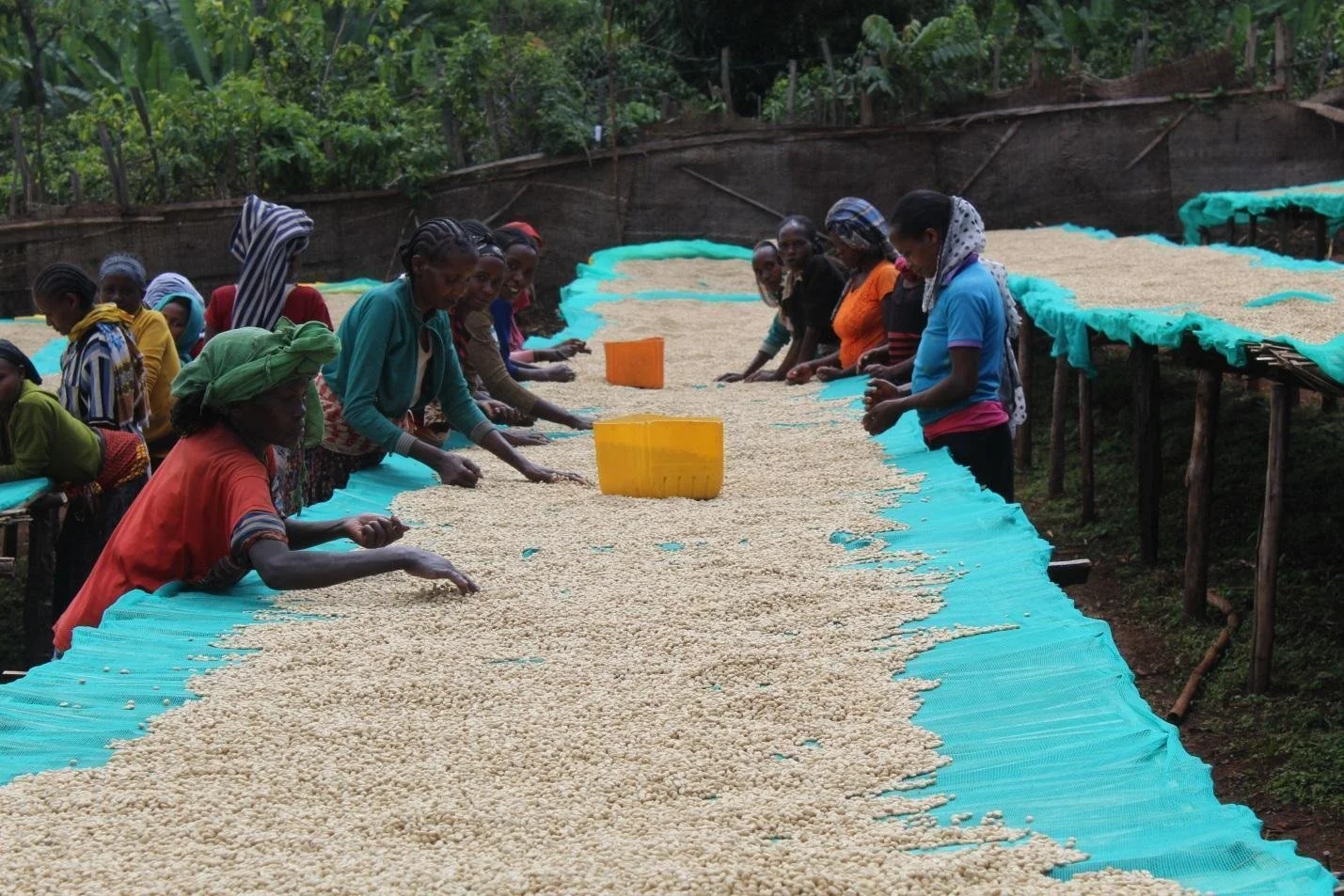
Ripe red cherries are selectively handpicked from smallholder farms around the Halo Barite area. The cherries are then screened for sugar content using a digital refractometer (Brix scale), with only those above 18 Brix selected. After sorting and removing any green or defective cherries, the batch undergoes floatation to eliminate any floaters. The remaining cherries are placed in sealed tanks for anaerobic fermentation, which lasts 110 hours. Once fermentation is complete, the cherries are carefully moved to shaded raised beds to dry for approximately 23 days. To effectively categorise our Ethiopian coffees, our team created a “flavour wheel”, where we have allocated different flavour profiles to colours. This coffee falls into the "Diima" flavour profile. Diima means "red" in the Oromiffa language, and it indicates that you will find intensity, fruit candy, violet florals, and tropical fruit like mango & banana in your cup.
COFFEE IN ETHIOPIA
While Ethiopia is famous as coffee’s birthplace, today it remains a specialty coffee industry darling for its incredible variety of flavors. While full traceability has been difficult in recent history, new regulations have made direct purchasing possible. We’re partnering directly with farmers to help them produce top quality specialty lots that are now completely traceable, adding value for farmers and roasters, alike.
The exceptional quality of Ethiopian coffee is due to a combination of factors. The genetic diversity of coffee varieties means that we find a diversity of flavor, even between (or within) farms with similar growing conditions and processing. In addition to varieties, processing methods also contribute to end quality. The final key ingredients for excellent coffee in Ethiopia are the producing traditions that have created the genetic diversity, processing infrastructure and great coffee we enjoy today.
Most producers in Ethiopia are smallholders, and the majority continue to cultivate coffee using traditional methods. As a result, most coffee is grown with no chemical fertilizer or pesticide use. Coffee is almost entirely cultivated, harvested and dried using manual systems.