

 Bilde 1 av 3
 Bilde 2 av 3
 Bilde 3 av 3
Typica Amarillo fra Wilton Benitez, Colombia


SIERRA MAZATECA
Land: Colombia
Gård: La Macarena
varietet: Typica Amarillo
Prosess: Anaerobic fermentation + thermoshock.
Høyde over havet:1900 meters
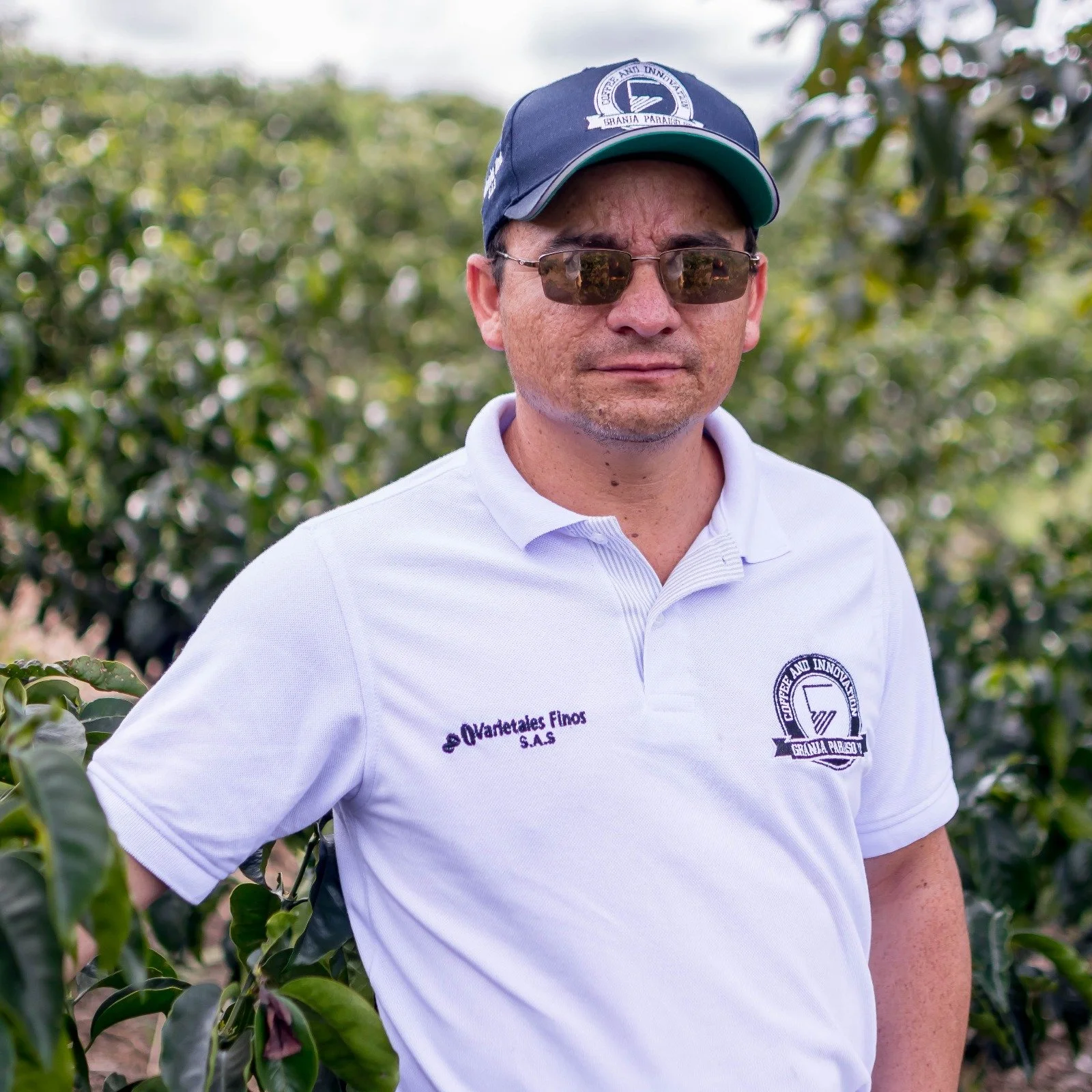
Wilton Benitez
ABUT THE FARM
The farm of Wilton Benítez, located in the heart of Piendamó, Cauca, is an outstanding example of the Colombian coffee legacy. This privileged location benefits from a stable climate, where Pacific winds and low night temperatures favour the growth of high quality coffee cherries. These climatic conditions allow for a higher concentration of sugars and acidity in the cherries, resulting in cup profiles that stand out for their sweet and fruity notes. In addition, the farm's diverse terrain is ideal for the production of exceptional microlots and nanolots, each with unique characteristics that reveal the richness and complexity of southern Colombian coffee. Thus, this estate not only preserves the legacy of its founder, but also positions itself as a benchmark of coffee excellence in the region.
Innovative Process:
Anaerobic fermentation and thermal shock
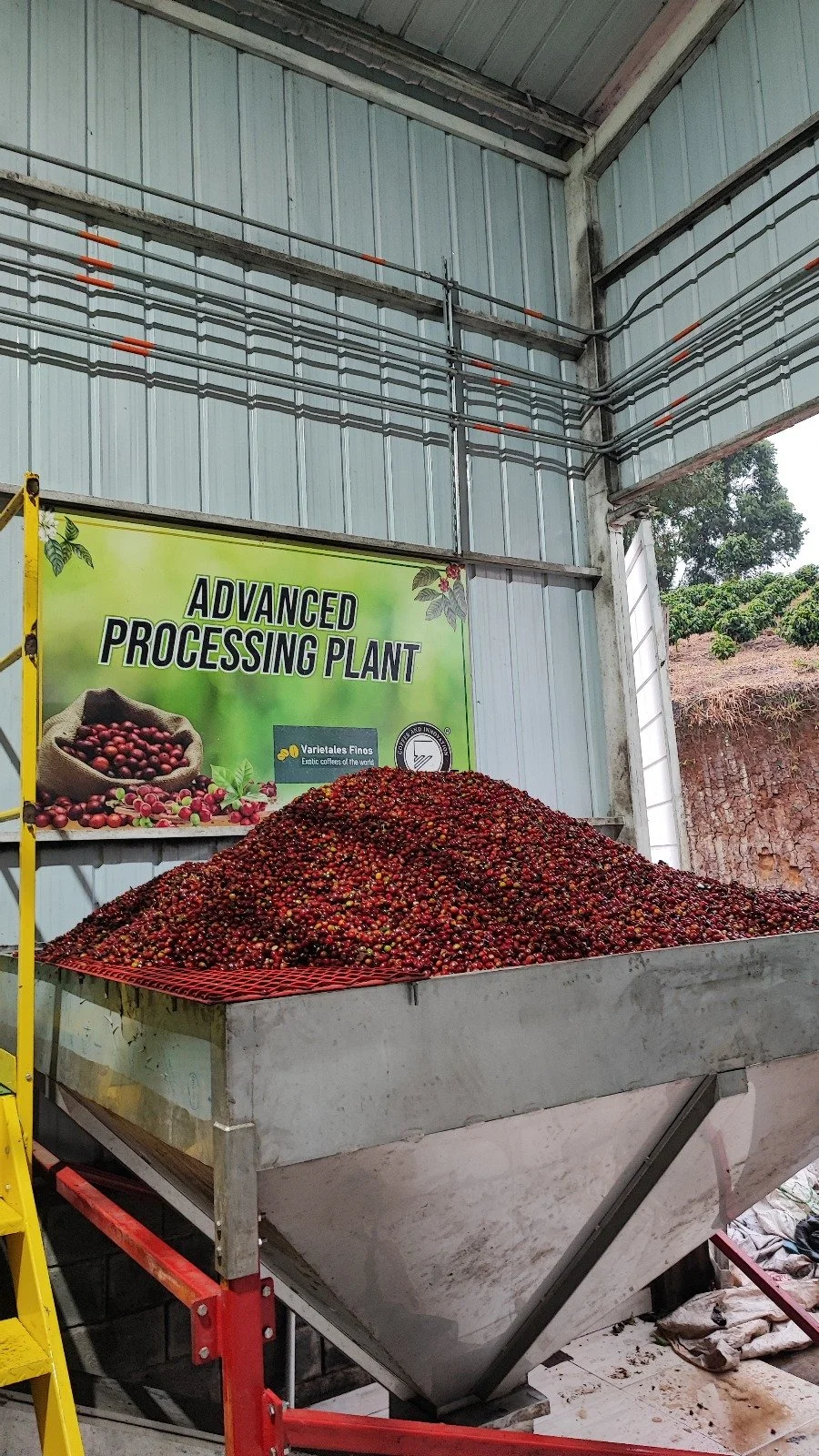
When the fruits are ripe, they are harvested by hand at their optimal point of ripeness. The coffee fruit is then sorted by quality, both by size and density.
It is then subjected to two sterilisation processes:
* First, the fruit is washed with ozonated water.
* The second, the same fruit is exposed to ultraviolet rays.
The coffee cherries then undergo two stages of fermentation:
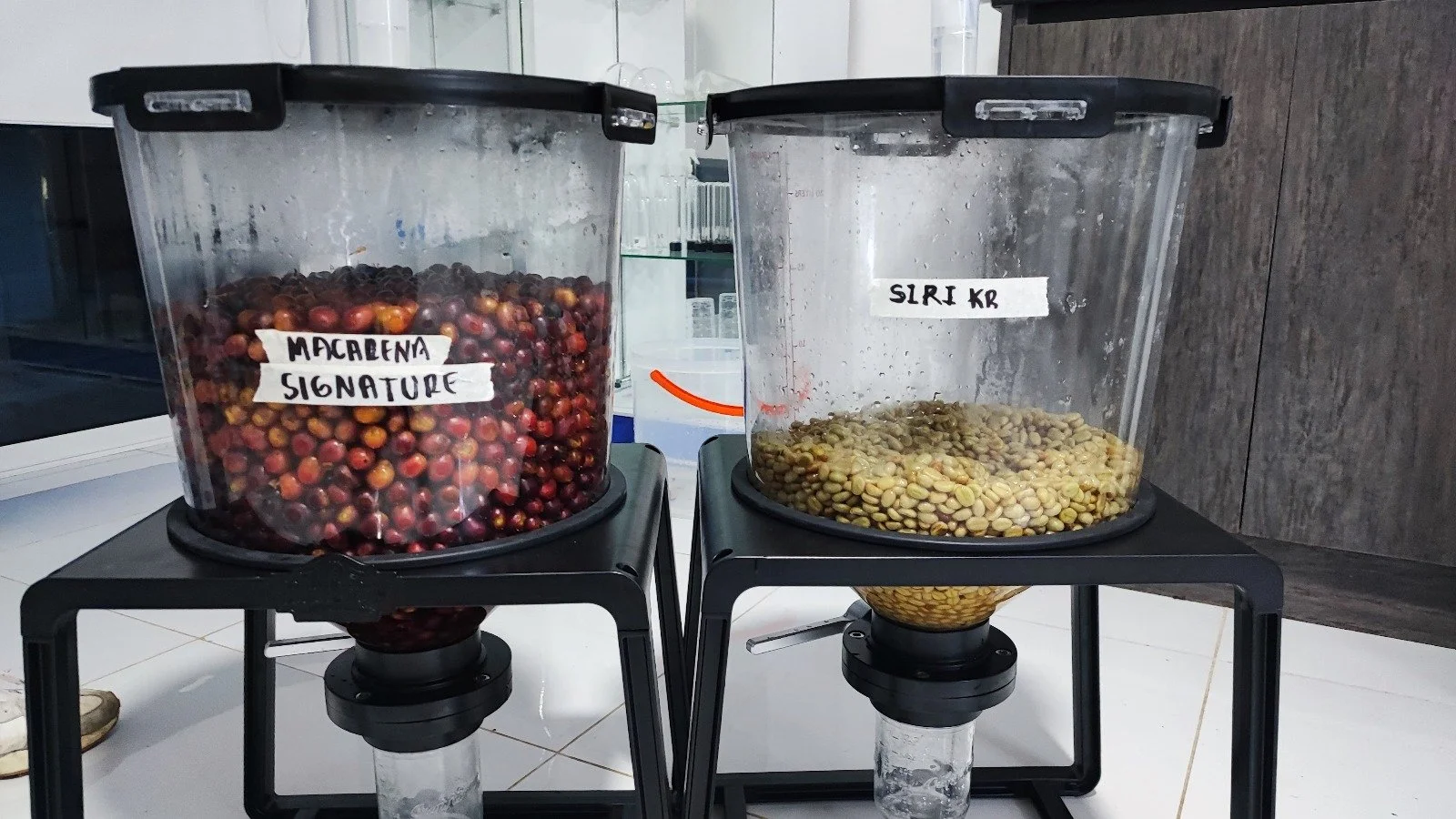
* The first is 50 to 60 hours of anaerobic fermentation at a temperature of no less than 18 °C, during which time yeast selected for the varietal or micro-batch of coffee is added. All this takes place in stainless steel fermentation tanks (bioreactors), which allow the pressure generated by fermentation to be controlled in order to bring the Brix to 6 and the pH to 3.8.
During this first fermentation phase, the mucilage is recovered and reincorporated into the fermentation environment in the next phase.
The cherries are pulped or skinned before moving on to the second phase:
*Second phase: They are returned to the bioreactors, where anaerobic fermentation in mucilage begins for 50 to 60 hours at a temperature above 21 °C.
They are then washed using a thermal shock method: first with water between 38 and 40 °C and then with cold water at approximately 12 °C. The temperature difference helps to fix the aromas produced by fermentation and to sterilise according to the temperature.
Finally, the cherries are dried in an ecological machine that allows for temperature control and recovery of the water released by the dehydration of the bean. Drying usually takes 36 hours at a variable temperature (40 °C for the first 12 hours and 35 °C for the following 24 hours).
Once the seeds from the micro-batches have a moisture content of between 11% and 10%, they are taken to the storage warehouse where they are sorted electronically and manually to meet the required physical quality standards.
Once they have the desired physical characteristics, samples are taken to the laboratory for quality verification and tasting.
The use of bioreactors, innovative drying systems, specific microorganisms developed on the farm , and constant monitoring and control of factors such as temperature, pH, Brix degrees and electrical conductivity allow for the development of more balanced coffees, with abundant tropical fruits (passion fruit, lychee, pineapple, tamarind, coconut...), providing exceptional micro-batches now available to roasters.