
 Bilde 1 av 1
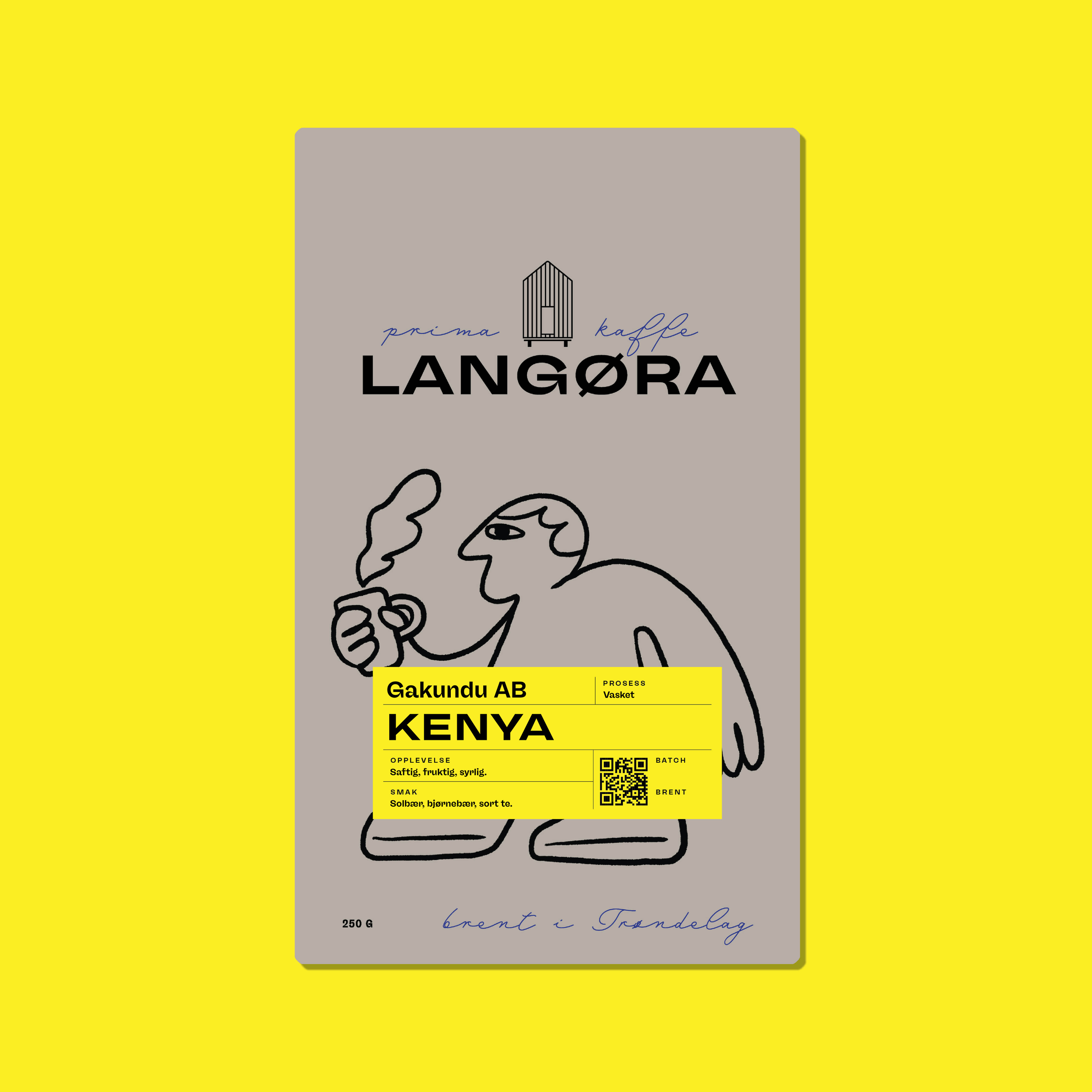
Gakundu AB, Kenya

AB Gakundu #319
Land: Kenya
Region: Embu County
Produsent: Gakundu Coffee Factory
Bønnetype: SL-28, SL-34, Ruiru 11, Batian
Prosess: Vasket
Høyde: 1,650
From the importer:
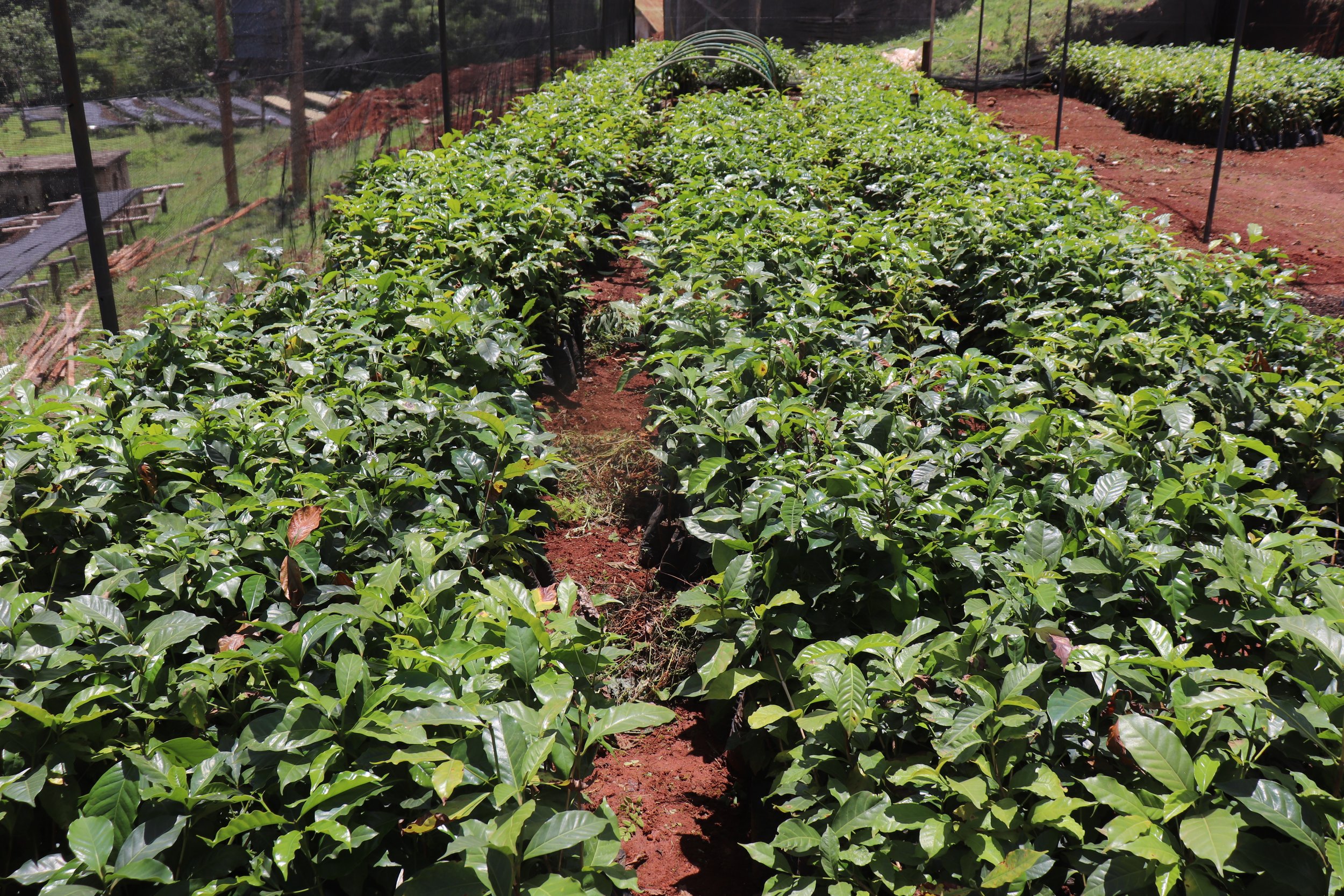
Gakundu Coffee Factory is part of the Gakundu Farmers’ Cooperative Society and serves a membership of 1,262 farmers. Located in Ngandori West, Kairuri sub-location of Embu County, the factory is run by a manager and support staff responsible for operations such as coffee weighing, sorting, grading, and farmer payment. In addition to coffee, local farmers grow crops such as bananas and maize and plant trees like grevillea and macadamia for shade.
Harvest and Processing
Gakundu sits at 1,650 meters above sea level and benefits from red volcanic soils and a moderate climate with temperatures between 13°C and 25°C. Annual rainfall averages 1,100 mm, distributed across two rainy seasons. The late crop season spans September to mid-January and contributes about 60% of the annual yield, while the early crop runs from April to July, accounting for the remaining 40%. The coffee varieties cultivated include SL28, Ruiru 11, and Batian.
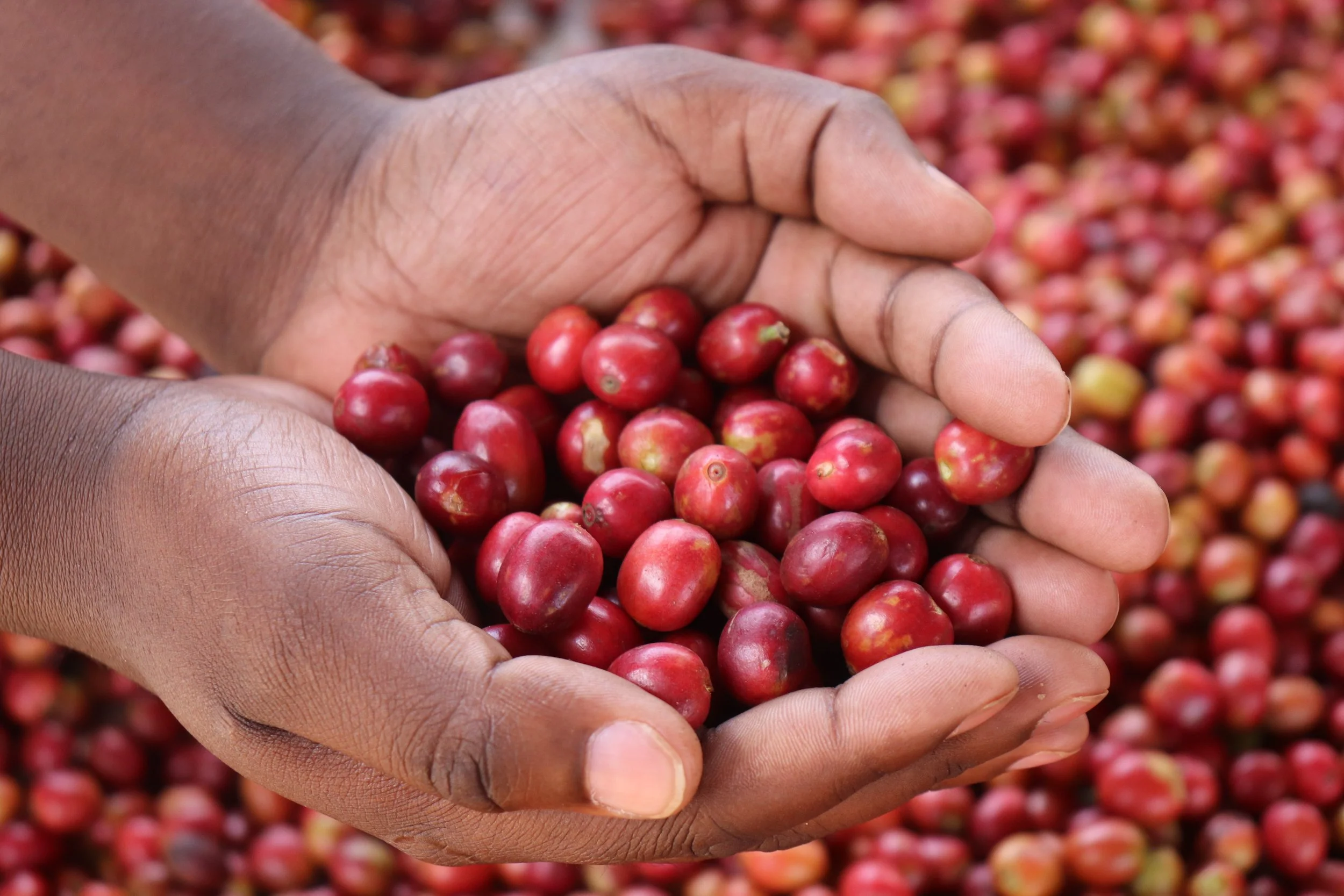
Coffee cherries are carefully handpicked only when fully ripe and delivered to the factory on the same day. At the wet mill, cherries are sorted to remove underripe and defective fruit, and may be graded before pulping. The pulping process uses a powered disc pulper, capable of processing up to 1,000 kg per hour. After pulping, the parchment coffee is graded and fermented to break down mucilage, with fermentation duration and quality influenced by temperature, enzyme levels, and water conditions. Thorough washing follows fermentation to prevent defects such as parchment browning. The beans are then sun-dried on raised beds until they reach a safe moisture content of 10.5%. Wastewater from processing is managed through soak pits located away from water sources to reduce environmental impact.