

Luke 24
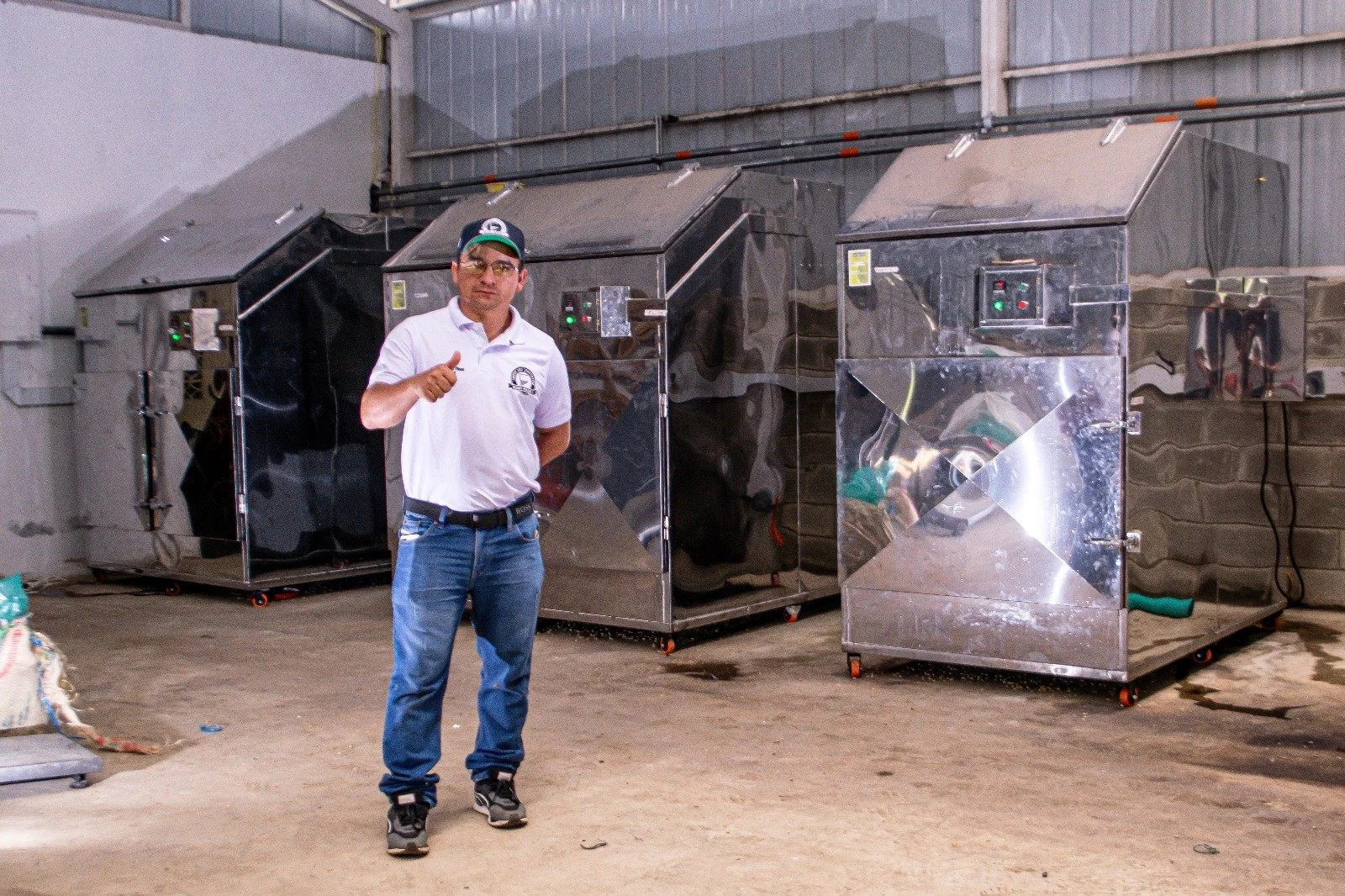
Wilton Benitez Geisha
COUNTRY: Colombia
FARM/COOP/STATION: La Macarena
VARIETAL: Geisha
PROCESSING: Anaerobic fermentation + thermoshock.
ALTITUDE: 1900 meters
OWNER: Wilton Benitez
REGION: Huila
FARM SIZE: 14 hectares
FLAVOUR NOTES: Jasmine, citrus peel, light honey, mandarin, black tea, malt
ABOUT THE FARMER
The family farm of Wilton Benítez has established itself as a benchmark in the production of high quality coffees, standing out for its dedication to excellence and innovation. Growing exceptional varieties such as Java, Pink Bourbon, Geisha, SL-28 and Caturra, the farm offers beans with sensory profiles that surprise coffee lovers. The combination of traditional techniques with modern systems, such as terraces and drip irrigation, allows for optimal crop management. In addition, a nutritional approach based on laboratory analysis ensures that each stage of the process is rigorously controlled, culminating in the production of coffees that not only win international awards, but also provide a unique experience in every cup. These efforts reflect the farm's commitment to maintaining its reputation and continuing to surprise the coffee world.
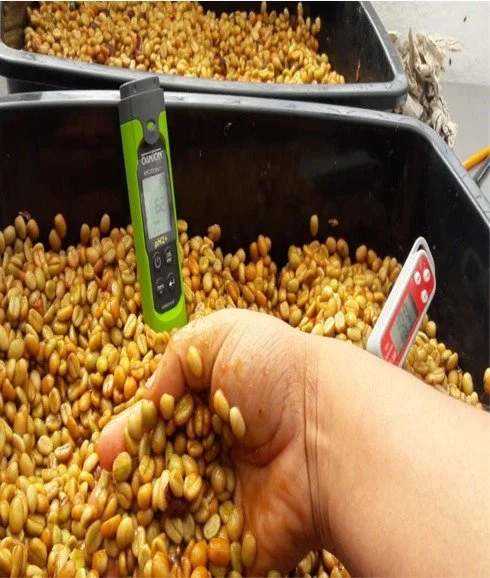
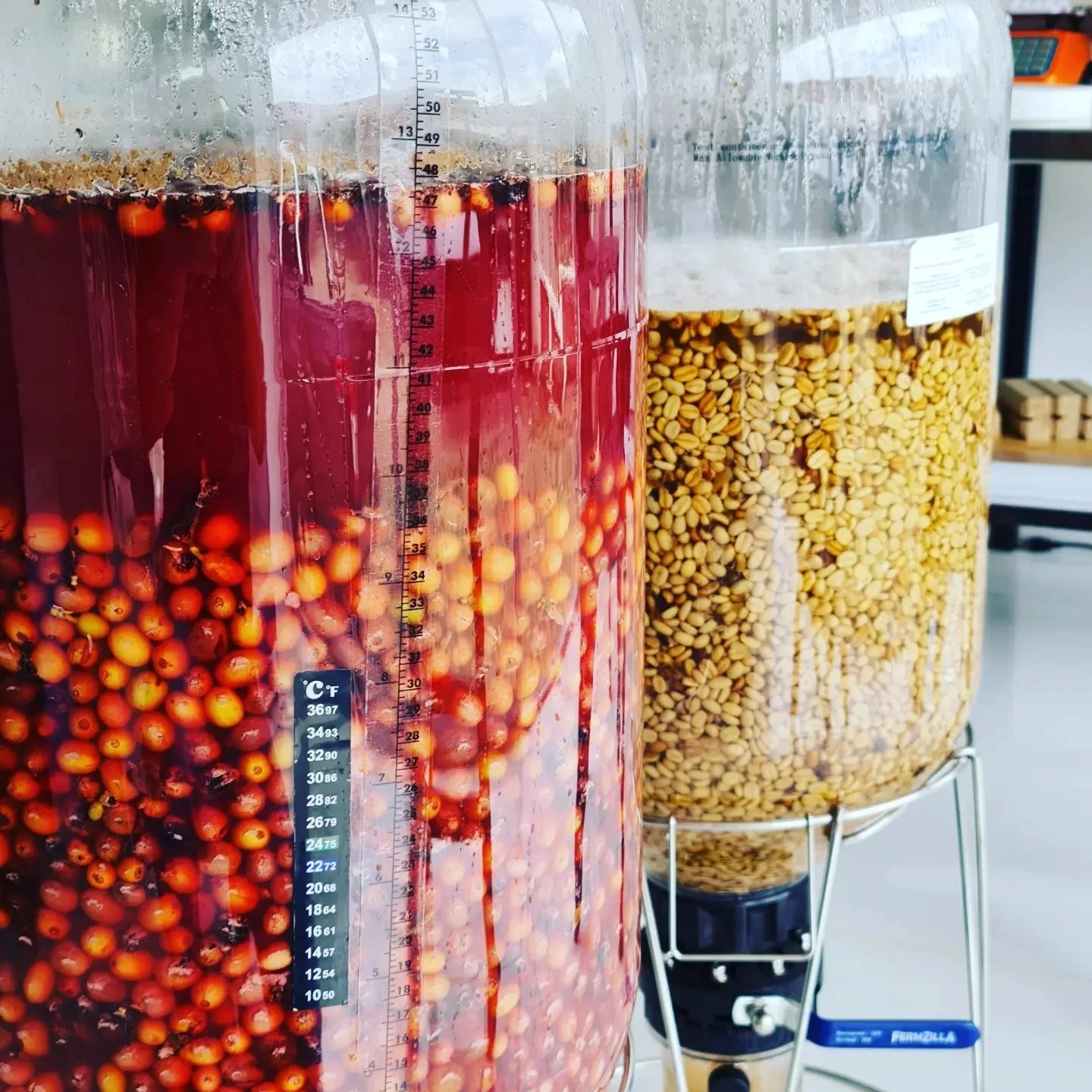
Anaerobic fermentation and thermal shock
When the fruits are ripe, they are harvested by hand at their optimal point of ripeness. The coffee fruit is then sorted by quality, both by size and density.
It is then subjected to two sterilisation processes:
* First, the fruit is washed with ozonated water.
* The second, the same fruit is exposed to ultraviolet rays.
The coffee cherries then undergo two stages of fermentation:
* The first is 50 to 60 hours of anaerobic fermentation at a temperature of no less than 18 °C, during which time yeast selected for the varietal or micro-batch of coffee is added. All this takes place in stainless steel fermentation tanks (bioreactors), which allow the pressure generated by fermentation to be controlled in order to bring the Brix to 6 and the pH to 3.8.
During this first fermentation phase, the mucilage is recovered and reincorporated into the fermentation environment in the next phase.
The cherries are pulped or skinned before moving on to the second phase:
*Second phase: They are returned to the bioreactors, where anaerobic fermentation in mucilage begins for 50 to 60 hours at a temperature above 21 °C.
They are then washed using a thermal shock method: first with water between 38 and 40 °C and then with cold water at approximately 12 °C. The temperature difference helps to fix the aromas produced by fermentation and to sterilise according to the temperature.
Finally, the cherries are dried in an ecological machine that allows for temperature control and recovery of the water released by the dehydration of the bean. Drying usually takes 36 hours at a variable temperature (40 °C for the first 12 hours and 35 °C for the following 24 hours).
Once the seeds from the micro-batches have a moisture content of between 11% and 10%, they are taken to the storage warehouse where they are sorted electronically and manually to meet the required physical quality standards.
Once they have the desired physical characteristics, samples are taken to the laboratory for quality verification and tasting.
The use of bioreactors, innovative drying systems, specific microorganisms developed on the farm , and constant monitoring and control of factors such as temperature, pH, Brix degrees and electrical conductivity allow for the development of more balanced coffees, with abundant tropical fruits (passion fruit, lychee, pineapple, tamarind, coconut...), providing exceptional micro-batches now available to roasters.
COFFEE IN COLOMBIA
Although coffee production in Colombia did not become a large commercial industry until the 19th century, it is likely that coffee was introduced to Colombia about a century earlier by Jesuit priests.
Once commercial production started, it spread quickly. The first commercial coffee plantations were established in the northeast, near the border with Venezuela. Today, coffee is widespread and grown commercially in 20 of Colombia’s 32 Departments.
Historically, Colombia’s most renowned coffee-growing region has been the Eje Cafetero (Coffee Axis), also known as the ‘Coffee Triangle’. This region includes the departments of Caldas, Quindío and Risaralda. With a combined total area of 13,873 km² (5356 mi²), the region covers about 1.2% of the Colombian territory and composes 15% of the total land planted under coffee in the country. The region has also been declared a UNESCO World Heritage site.
While the Eje Cafetero is still a coffee-producing powerhouse, coffee production in Colombia now extends far beyond this zone. In recent years, the departments of Huila, Tolima, Cauca and Nariño have become sought after and well-known coffee-growing regions. Today, they are the largest producers of coffee in Colombia by volume.
Today, there are an estimated 540,000 coffee producers in the country; around 95% of these are smallholder farmers with landholdings that are under 5 hectares. These farmers collectively contribute around 16% of the country’s annual agricultural GDP.

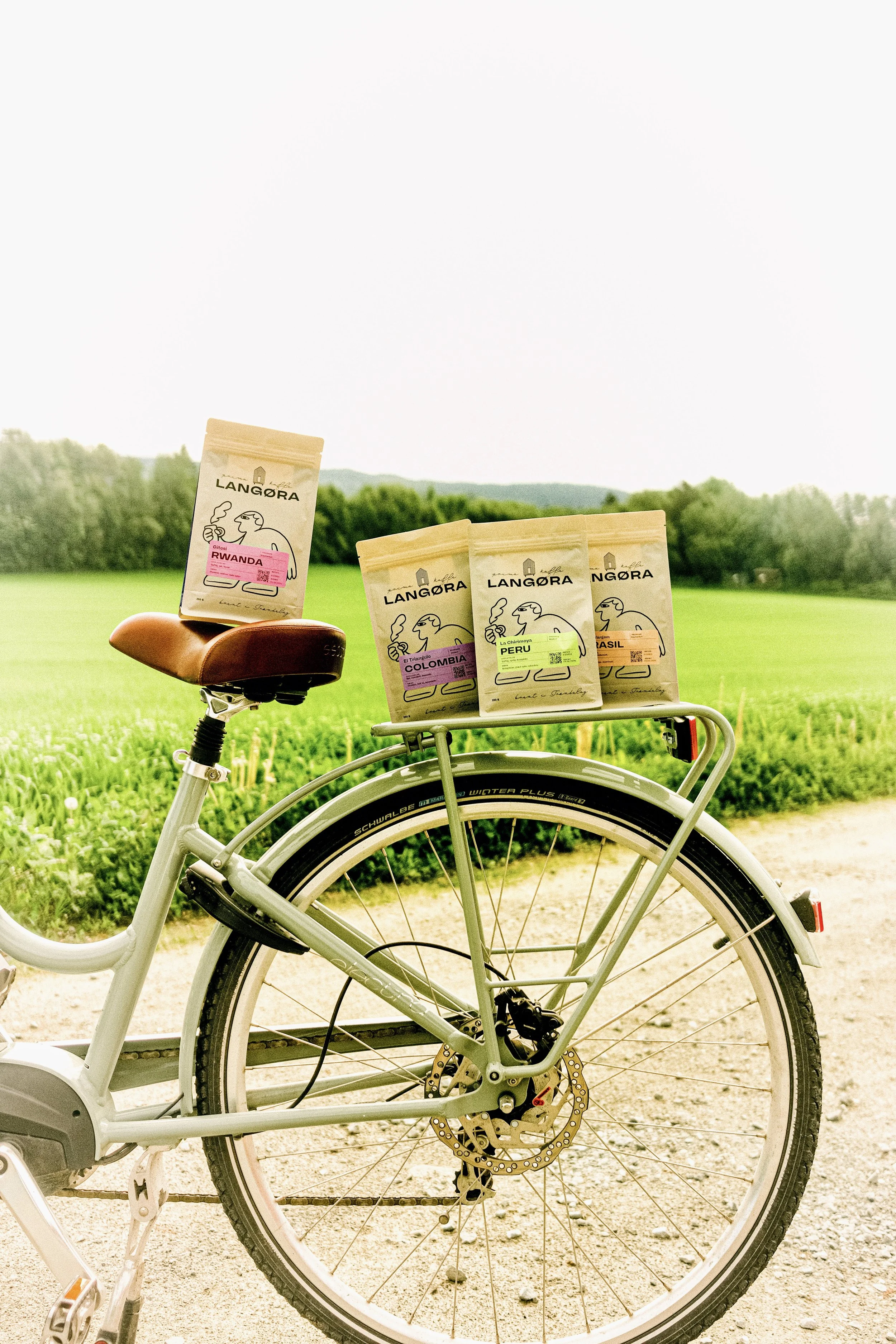





Lett, leskende, fruktig.
Bjørnebær, aprikos, bergamot.