

Luke 18
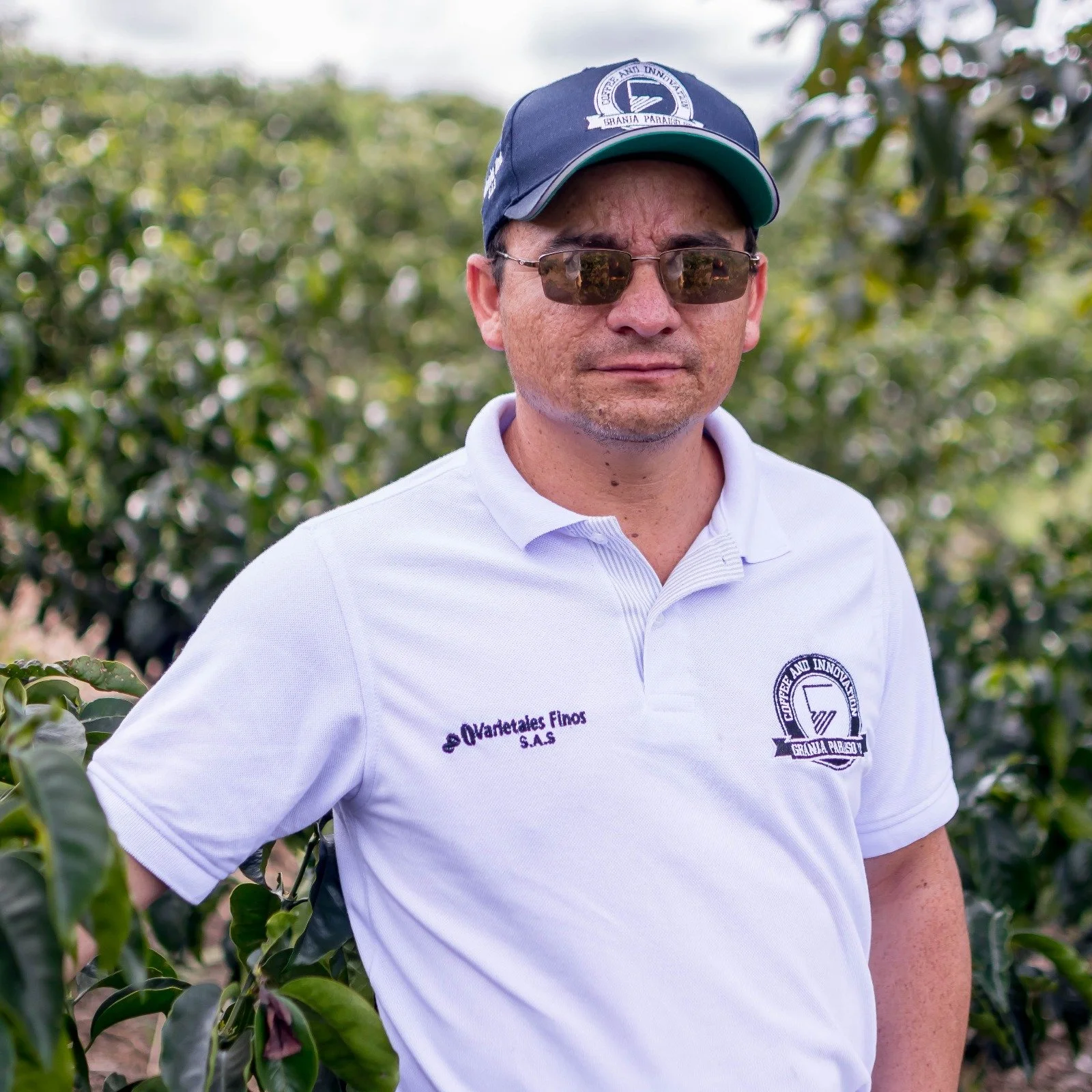
Wilton Benitez Typica Amarillo
COUNTRY: Colombia
FARM/COOP/STATION: La Macarena
VARIETAL: Typica Amarillo
PROCESSING: Anaerobic fermentation + thermoshock.
ALTITUDE:1900 meters
PRODUCER: Wildan Mustofa
REGION: Weninggalih
FLAVOUR NOTES: Peach candy, lemongrass, lime zest, earl grey, mild licorice root, jasmine
ABUT THE FARM
The farm of Wilton Benítez, located in the heart of Piendamó, Cauca, is an outstanding example of the Colombian coffee legacy. This privileged location benefits from a stable climate, where Pacific winds and low night temperatures favour the growth of high quality coffee cherries. These climatic conditions allow for a higher concentration of sugars and acidity in the cherries, resulting in cup profiles that stand out for their sweet and fruity notes. In addition, the farm's diverse terrain is ideal for the production of exceptional microlots and nanolots, each with unique characteristics that reveal the richness and complexity of southern Colombian coffee. Thus, this estate not only preserves the legacy of its founder, but also positions itself as a benchmark of coffee excellence in the region.
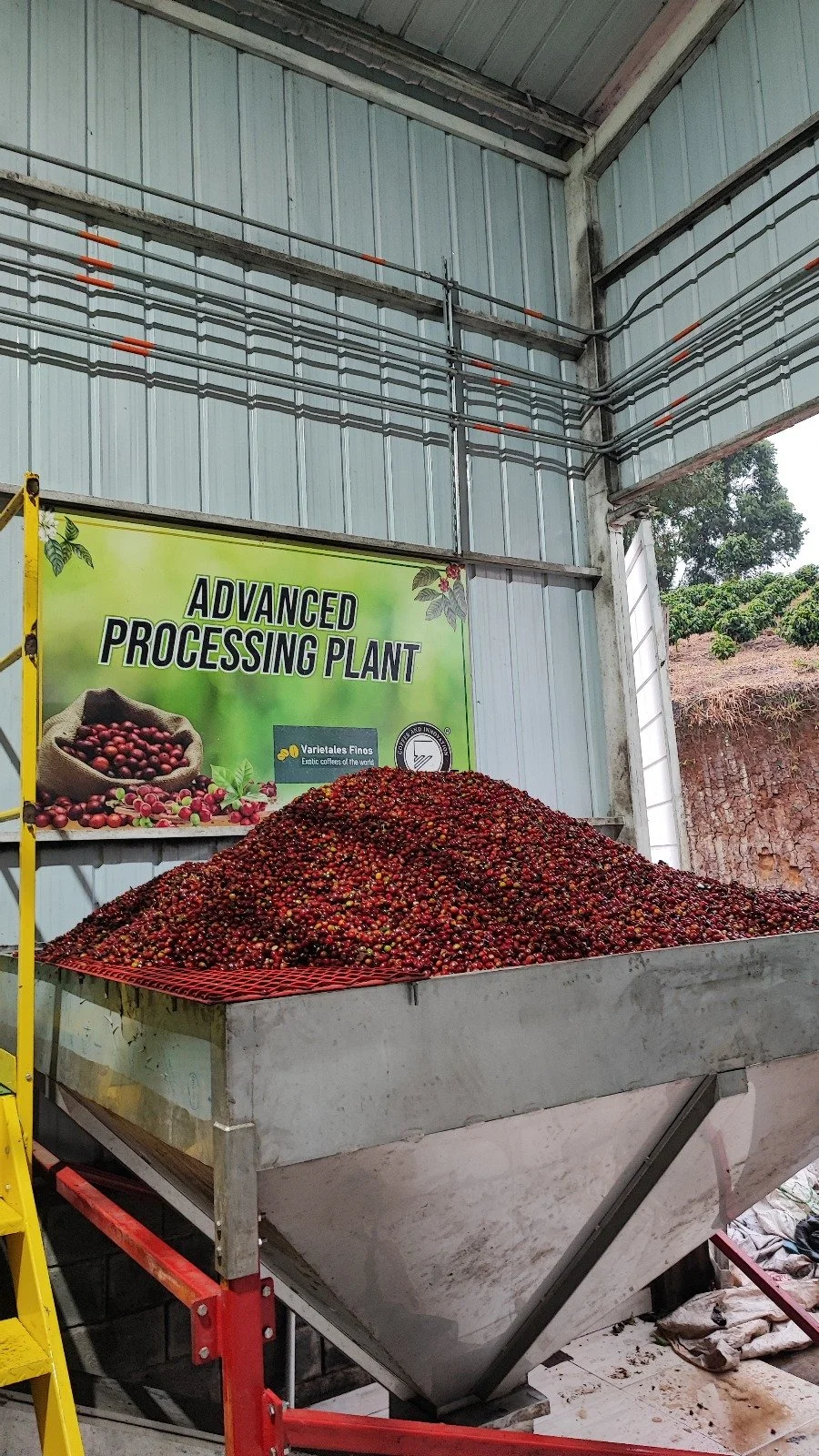
Innovative Process:
Anaerobic fermentation and thermal shock
When the fruits are ripe, they are harvested by hand at their optimal point of ripeness. The coffee fruit is then sorted by quality, both by size and density.
It is then subjected to two sterilisation processes:
* First, the fruit is washed with ozonated water.
* The second, the same fruit is exposed to ultraviolet rays.
The coffee cherries then undergo two stages of fermentation:
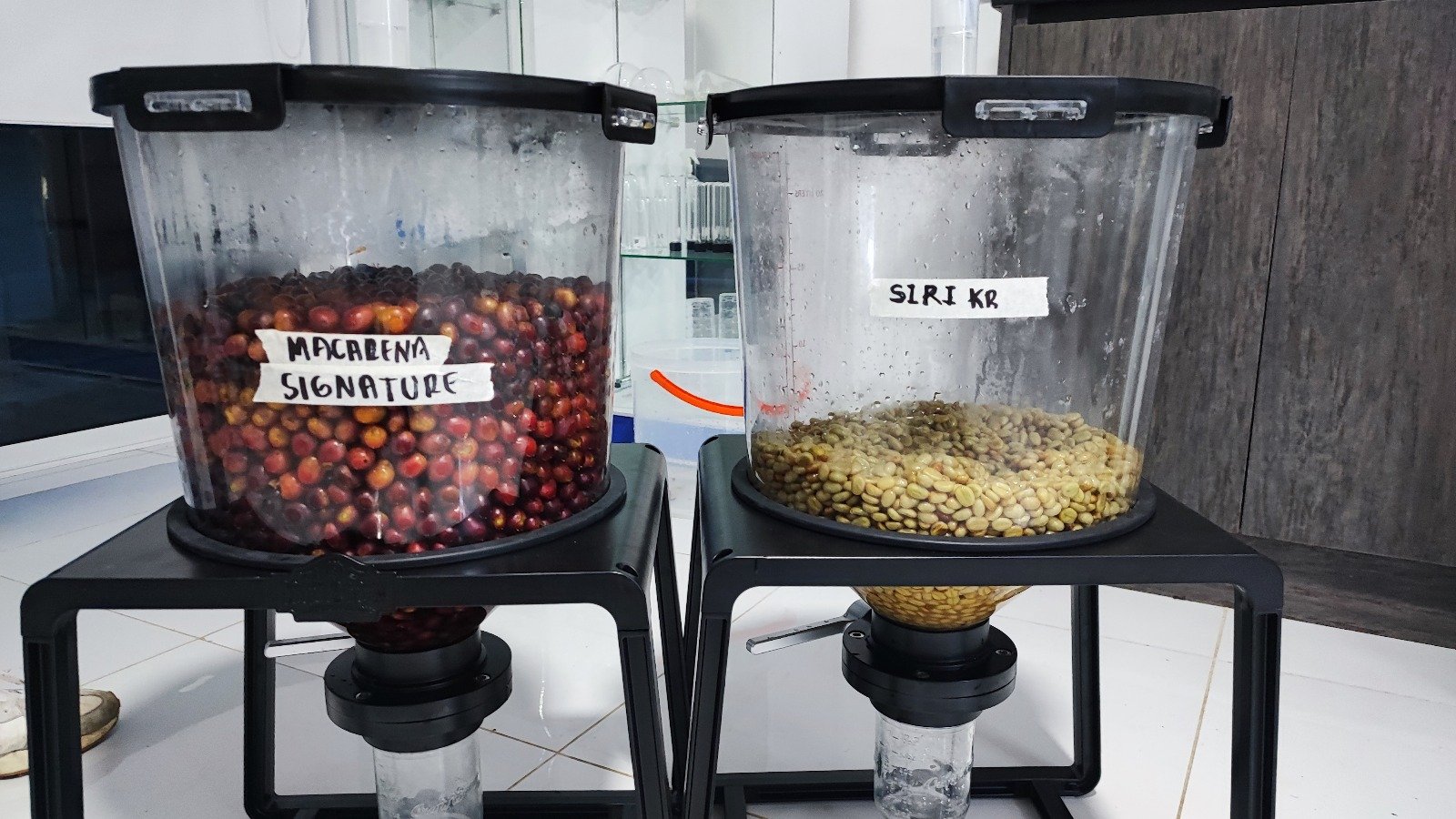
* The first is 50 to 60 hours of anaerobic fermentation at a temperature of no less than 18 °C, during which time yeast selected for the varietal or micro-batch of coffee is added. All this takes place in stainless steel fermentation tanks (bioreactors), which allow the pressure generated by fermentation to be controlled in order to bring the Brix to 6 and the pH to 3.8.
During this first fermentation phase, the mucilage is recovered and reincorporated into the fermentation environment in the next phase.
The cherries are pulped or skinned before moving on to the second phase:
*Second phase: They are returned to the bioreactors, where anaerobic fermentation in mucilage begins for 50 to 60 hours at a temperature above 21 °C.
They are then washed using a thermal shock method: first with water between 38 and 40 °C and then with cold water at approximately 12 °C. The temperature difference helps to fix the aromas produced by fermentation and to sterilise according to the temperature.
Finally, the cherries are dried in an ecological machine that allows for temperature control and recovery of the water released by the dehydration of the bean. Drying usually takes 36 hours at a variable temperature (40 °C for the first 12 hours and 35 °C for the following 24 hours).
Once the seeds from the micro-batches have a moisture content of between 11% and 10%, they are taken to the storage warehouse where they are sorted electronically and manually to meet the required physical quality standards.
Once they have the desired physical characteristics, samples are taken to the laboratory for quality verification and tasting.
The use of bioreactors, innovative drying systems, specific microorganisms developed on the farm , and constant monitoring and control of factors such as temperature, pH, Brix degrees and electrical conductivity allow for the development of more balanced coffees, with abundant tropical fruits (passion fruit, lychee, pineapple, tamarind, coconut...), providing exceptional micro-batches now available to roasters.
COFFEE IN COLOMBIA
Although coffee production in Colombia did not become a large commercial industry until the 19th century, it is likely that coffee was introduced to Colombia about a century earlier by Jesuit priests.
Once commercial production started, it spread quickly. The first commercial coffee plantations were established in the northeast, near the border with Venezuela. Today, coffee is widespread and grown commercially in 20 of Colombia’s 32 Departments.
Historically, Colombia’s most renowned coffee-growing region has been the Eje Cafetero (Coffee Axis), also known as the ‘Coffee Triangle’. This region includes the departments of Caldas, Quindío and Risaralda. With a combined total area of 13,873 km² (5356 mi²), the region covers about 1.2% of the Colombian territory and composes 15% of the total land planted under coffee in the country. The region has also been declared a UNESCO World Heritage site.
While the Eje Cafetero is still a coffee-producing powerhouse, coffee production in Colombia now extends far beyond this zone. In recent years, the departments of Huila, Tolima, Cauca and Nariño have become sought after and well-known coffee-growing regions. Today, they are the largest producers of coffee in Colombia by volume.
Today, there are an estimated 540,000 coffee producers in the country; around 95% of these are smallholder farmers with landholdings that are under 5 hectares. These farmers collectively contribute around 16% of the country’s annual agricultural GDP.
Colombia boasts a wide range of microclimates and geographic conditions that produce the unique flavors so loved in Colombian coffees. While there are many sub-regions and progressively smaller geographical designations — all the way down to individual farms — broadly speaking, coffees in Colombia can be separated into three major regions whose climate, soils and altitudes affect tastes.
Coffees grown in the north (Magdalena, Santander and Norte de Santander) are usually planted at lower altitudes where temperatures are higher. As such, these coffees tend to have deeper, earthier tastes with a medium acidity, more body and notes of nuts and chocolate.
Coffees coming from the central regions (Caldas, Quindío, Risaralda, North of Valle, Antioquia, Cundinamarca and North of Tolima) are celebrated for their overall balance and their fruity, herbal notes. Flavor variations highlight the specific characteristics of each micro-region.
The southern regions (Cauca, Nariño, Huila and South of Tolima) are prized for producing smooth coffees with high sweetness and citrus notes. They are also known for their medium body and more pronounced acidity.
Another distinguishing feature of Colombian coffee production is the mitaca crop – a second harvest that occurs roughly 6 months after the main crop in most regions. The mitaca crop is a result of moist ocean air rising from both the Pacific and the Caribbean, and the north-to-south orientation of the central cordilleras (mountain ranges).
Colombia’s wide range of climates also means that harvest times can vary significantly. Due to these varying harvest times — and the mitaca crop — fresh crop Colombian coffee is available nearly year-round.
Most farmers conduct primary processing (up to and including drying) on their own farms. Processing infrastructure varies widely but there are noticeable similarities between farms of similar sizes or regions. Broadly speaking, most farms have traditionally used the Fully washed method and utilized dry pulping to minimize water usage.
Drying processes in Colombia are innovative and varied. Farmers may spread their parchment across the flat roofs (elvas) of their houses to dry slowly – sometimes in the shade but more often in the sun.
In parts of Antioquia, drying ‘drawers’ are used. These are sets of moveable drying screens that can be pulled out from under the house or storage sheds when the weather is warm and pushed back under shelter when it rains.
Polytunnels and parabolic beds, also called marquesinas in Colombia, are also commonly used, particularly in high altitude and cooler temperatures zones. These structures are usually raised beds constructed similarly to mini-greenhouses with plastic sheeting stretched over an arched frame and openings at both ends to ensure airflow. These structures protect parchment from wet weather conditions while the even airflow allows for drying even in humid conditions.
As Colombian farmers are increasingly accessing specialty markets, they are experimenting with processing methods beyond the traditional Fully washed method. Producers are experimenting with all kinds of new methods and with adjustments to existing processing including changing fermentation times, adding yeasts or other products to fermenting coffee and more. They’re also producing more Naturals and Honeys of exceptional quality. And these processes are not limited to a select few. Along with Naturals and Honeys, experimentally processed coffees are now coming from a variety of regions.
Colombia’s coffee industry has been incredibly successful at building a brand that continues to help increase interest and demand for Colombian coffee. Beyond simply increasing demand, the industry’s branding made advertising history. Their iconic coffee farmer, Juan Valdez and his donkey, Conchita, were extremely recognizable.
Juan was initially created in 1958 for Colombia’s Federación Nacional de Cafeteros (FNC) (the Federation of Colombian Coffee Growers) and his visage graces the FNC logo – along with countless of bags of Colombian coffee – to this day.
The story of Juan Valdez is just one example of the ways FNC has been a strong force in creating continuity for the reputation of Colombian coffee. Since its creation in 1927, the FNC has represented the interests of Colombia’s coffee growers. Their continued presence is almost unique in the coffee world and is, in part, one of the reasons that Colombia is such a successful coffee-producing country.
Though originally a non-profit organization, today the FNC is collectively owned and controlled by approximately 540,000 producers across Colombia. In addition to cooking up genius marketing icons, the FNC works to ensure adequate infrastructure for growers, provides technical support and funds research. Their research division, Cenicafé (founded in 1938), is renowned for its focus on developing new genetic varieties and conducting research on improved farming practices.
The FNC also seeks price stabilization and ensures minimum pricing for Colombia’s coffee farmers. Despite this, labor shortages are a growing problem in the country, as young people move out of rural coffee-growing areas into the city. This situation is the ‘new normal’ for Colombian producers and the high cost of labor is one that is a risk for many and for the industry as a whole.
In addition to its wide variety of cup profiles, the popularity of certified coffee in Colombia has grown very quickly over the past decade. The most common certifications are Fairtrade, Rainforest Alliance (RFA), UTZ, and Organic. Company certifications such as Starbucks C.A.F.E. Practices are also becoming more widespread.
The increasing focus on the specialty industry is changing the way traders and farmers do business. It is becoming more common for farmers to reserve their highest quality beans in order to market them separately, at higher prices. Often, they can sell these lots with more traceability information that will reach all the way to the end customers. For farmers, having their name and life story connected to their coffee, which is then purchased and seen by the end user, brings many benefits. It means that they can nurture long-term relationships with roasters and increase the value of their product. For roasters, connecting farmers’ stories to the coffees they grew can create a stronger customer interest for specific coffees, added value and demand, and help finance successful long-term relationships with farmers.

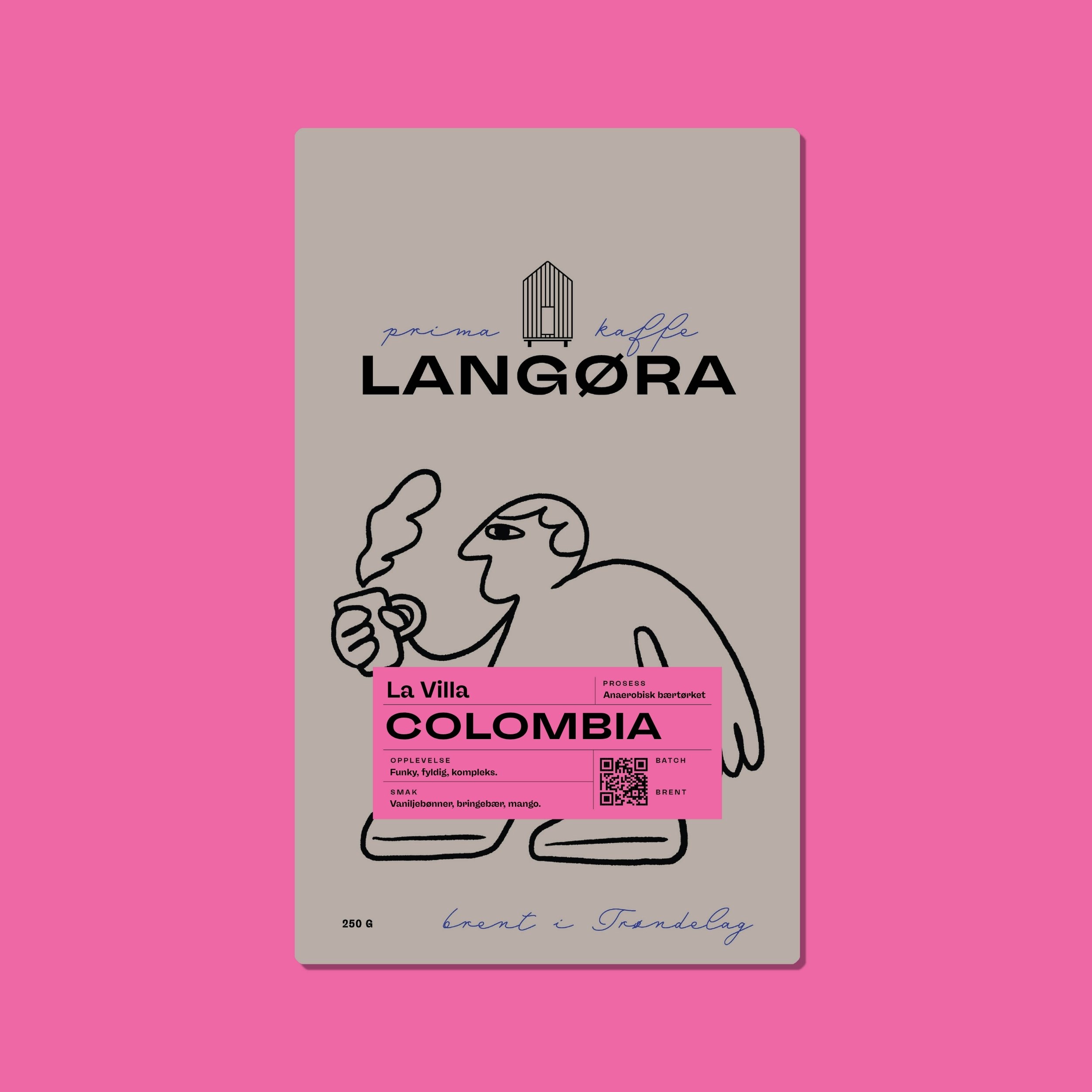
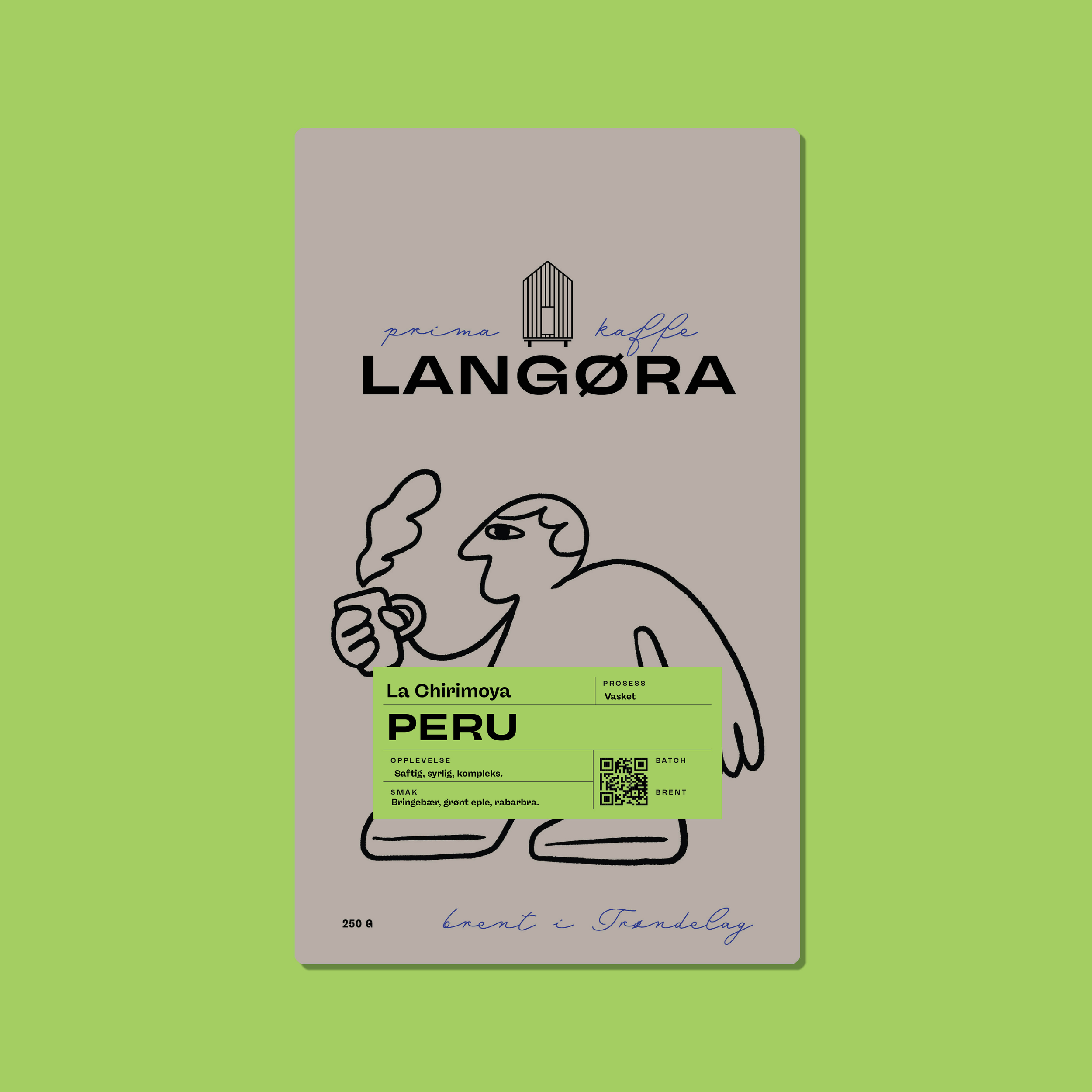

Silkemyk, floral, fruktig.
Fersken, aprikos, sort te.