

Luke 17
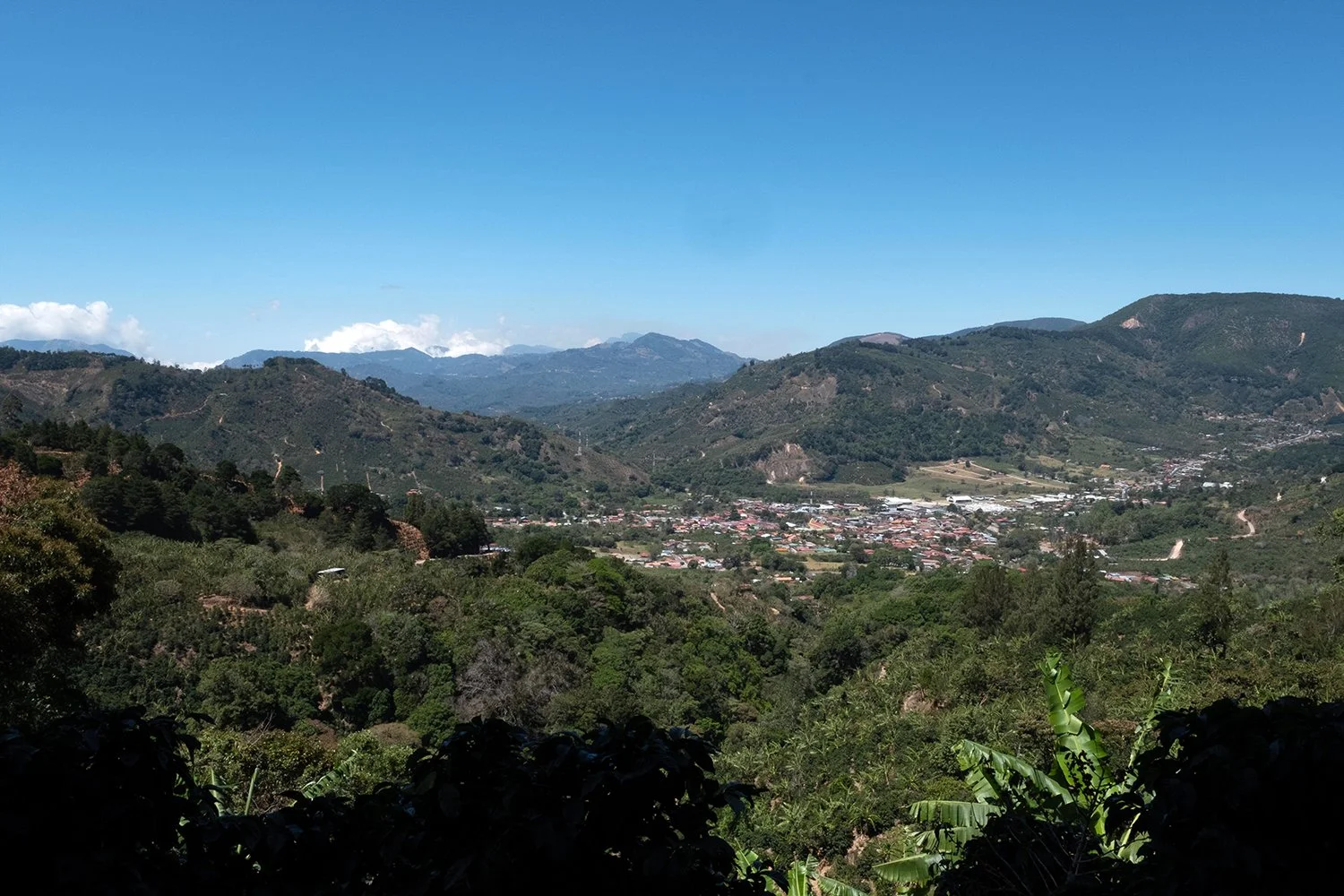
Las Nubes Lactic
COUNTRY: Costa Rica
FARM/COOP/STATION: Las Nubes Farm
VARIETAL: Caturra
PROCESSING: LACTIC NATURAL
ALTITUDE: 1800m
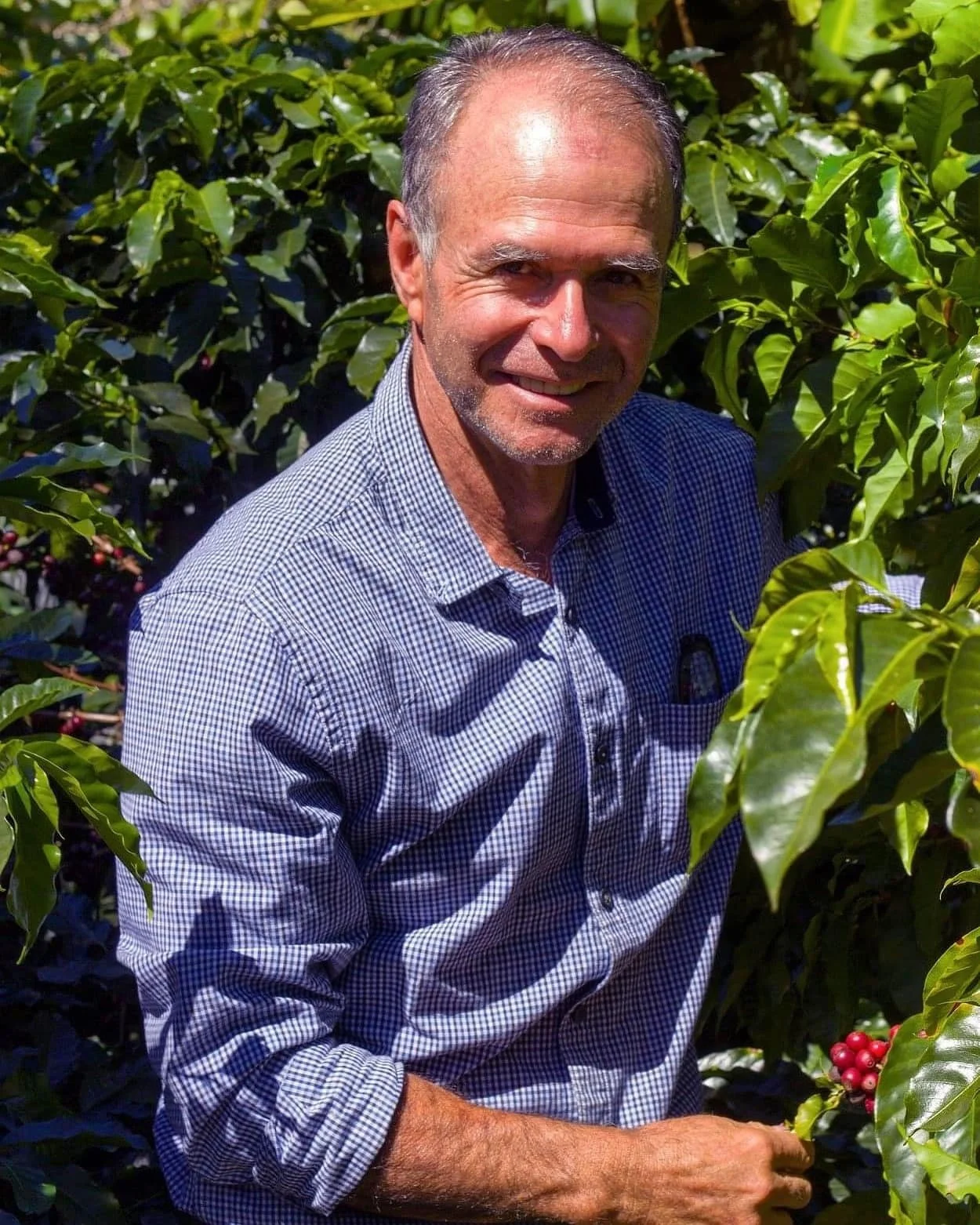
OWNER : Roberto Mata Naranjo
REGION: Valle de Dota
FLAVOUR NOTES: Punchy lactic acidity, cereal, overripe mango and pineapple
ABOUT THIS COFFEE
With a coffee background of almost 50 years, Roberto is a walking coffee encyclopaedia - he simply knows everything about the cultivation and preparation of coffee. Due to his experience, his closeness to nature and his love for his homeland, Roberto has been a pioneer in the sustainable cultivation of coffee in harmony with nature for decades. Three years ago, he founded a small family business together with his wife Doris and their five children. Directly behind his home, he now prepares his own coffees in his own micromill with a water-saving Ecopulper. All processes are measured, and efficiently organized, leaving nothing open to chance. Just behind their processing facility they have a small cupping space and beautifully organized sample cabinet. All of the lots are processed on raised beds, focussing purely on honey and natural lots. The metal tables and shadow nets provide the cover needed during the hottest period of the day. To create perfection in humidity, they use mechanical dryers to lower the last percentages of humidity to the correct level for export.
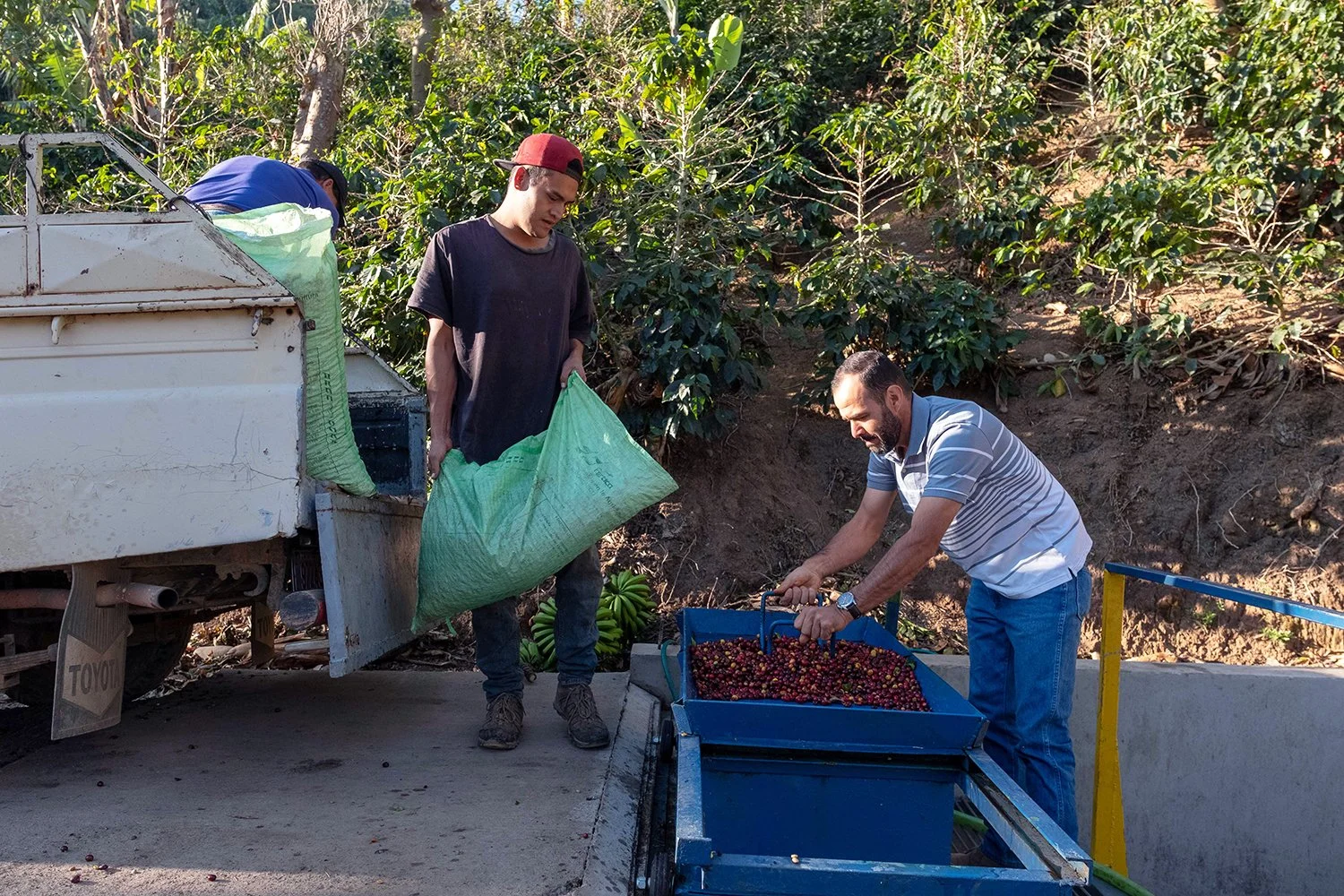
HARVEST AND PROCESS
All cherries are hand-picked at peak ripeness on Las Rubes Farm and meticulously sorted to remove underripe or damaged fruit. To initiate fermentation, Roberto adds a measured amount of juice from previous pre-fermented cherries to the freshly harvested whole cherries. This inoculates the batch with an active community of lactic acid bacteria and yeasts, accelerating fermentation and enhancing flavor complexity. The cherries and juice are sealed inside stainless steel tanks to create an oxygen-free environment. Over the next 72 hours, lactic acid bacteria convert natural sugars into lactic acid, lowering the pH and producing creamy, fruit-forward notes. Once the ideal pH is reached, the cherries are removed and dried in thin layers on raised African beds, turned regularly for even drying until the moisture content reaches 10–12%. The result is an intensely sweet, vibrant coffee with tropical fruit character, a silky mouthfeel, and a clean lactic finish — a signature of Roberto Mata’s lactic fermentation style.
COFFEE IN COSTA RICA
PLACE IN WORLD PRODUCTION: #14
AVERAGE ANNUAL PRODUCTION:
1,230,000 (in 60kg bags)
COMMON ARABICA VARIETIES:
Typica, Caturra, Catuai, Villa Sarchi, Bourbon, Geisha,
KEY REGIONS:
Tarrazú | Central Valley | Western Valley | Tres Rios | Brunca | Guanacaste | Orosi | Turrialba
HARVEST MONTHS:
October - March
Coffee has been a central part of the Costa Rican experience since the country’s independence from Spain in 1821. At that time, the new government led a campaign to distribute free coffee seeds to citizens in order to promote coffee production as a cash crop. Costa Rica was soon exporting green coffee beans all over Central and South America.
Just two decades later, in 1843, Costa Rica sent its first shipment of green coffee beans to England. By 1860, Costa Rica was also supplying coffee to the United States. Coffee played such a big role in Costa Rican production that coffee was Costa Rica’s only export for the years starting from independence until 1890.Costa Rican coffee farmers experience significant barriers to production. Production costs in the country tend to be very high in comparison to neighboring countries. The persistent growth of the tourist industry, combined with the influx of foreign businesses bringing more money into Costa Rica, has created inflation. While inflation and the rising quality of life have had many positive benefits for Costa Ricans, rural areas have struggled to keep up with increasing land and input prices and the associated higher labor costs. As a result, Costa Rican coffee tends to be on the expensive side.
Especially because costs are higher, Costa Rican coffee producers must find other ways to stand out from all the other producing countries in the Americas. Luckily for the specialty coffee industry, Costa Rica has had great success becoming a frontrunner in quality specialty coffees and processing methods.
In areas like Tarrazú, where conditions are ideal for coffee growing, competition is even higher. In such areas, the competitive atmosphere leads many producers to invest in private micro mills, growing exotic varieties and alternative processing.
The focus Costa Rican farmers place on increased coffee quality is beneficial to both themselves and the specialty industry as whole. An atmosphere that encourages experimentation and innovation can breed any number of new or better varieties, growing techniques, processing methods, storage protocols and more.

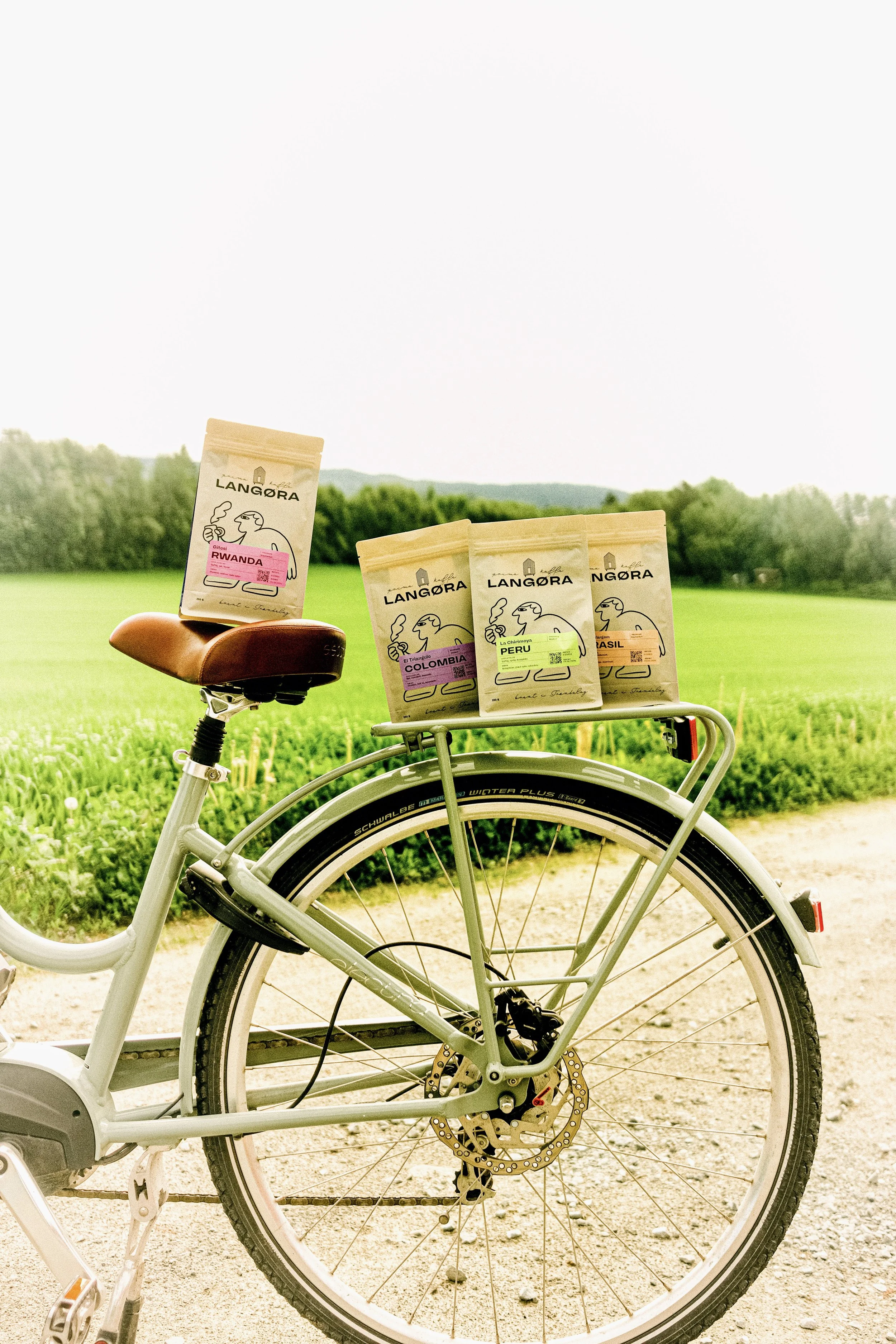




Lett, leskende, fruktig.
Bjørnebær, aprikos, bergamot.