

Luke 21
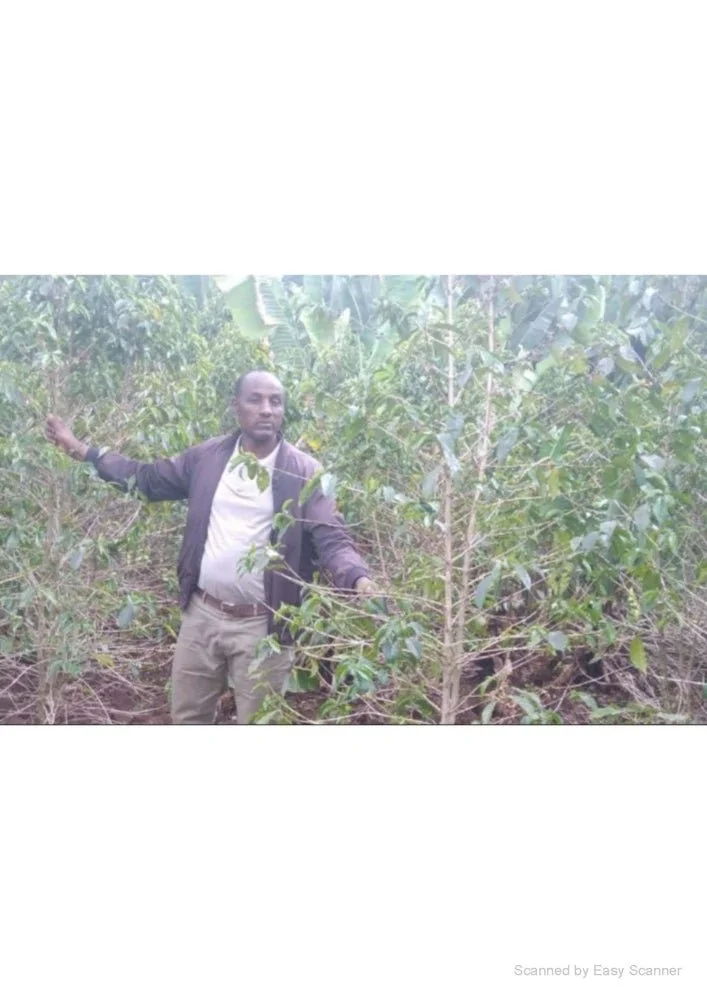
Yetera Tulu - Lalisaa
COUNTRY: Etiopia
FARM/COOP/STATION: Yetera Tulu’s farm
VARIETAL: Local Landraces
PROCESSING: Natural
ALTITUDE: 2,242 meters above sea level
OWNER: Yetera Tulu
REGION: Sidamo
SUBREGION: Bona Zuria, Bare Kebele
FLAVOUR NOTES: Red berry jam, green grapes, purple flowers, black tea, creamy vanilla
ABOUT THIS COFFEE
Yetera Tulu inherited the farm from his family has been devoted to coffee for over 15 year. His commitment to improving his farm and delivering high-quality coffee has been continuously refined over the years. He implements best farming practices, including pruning, stumping, and planting new coffee seedlings. In the future he’s planning to expand his land and planting new coffee plants.
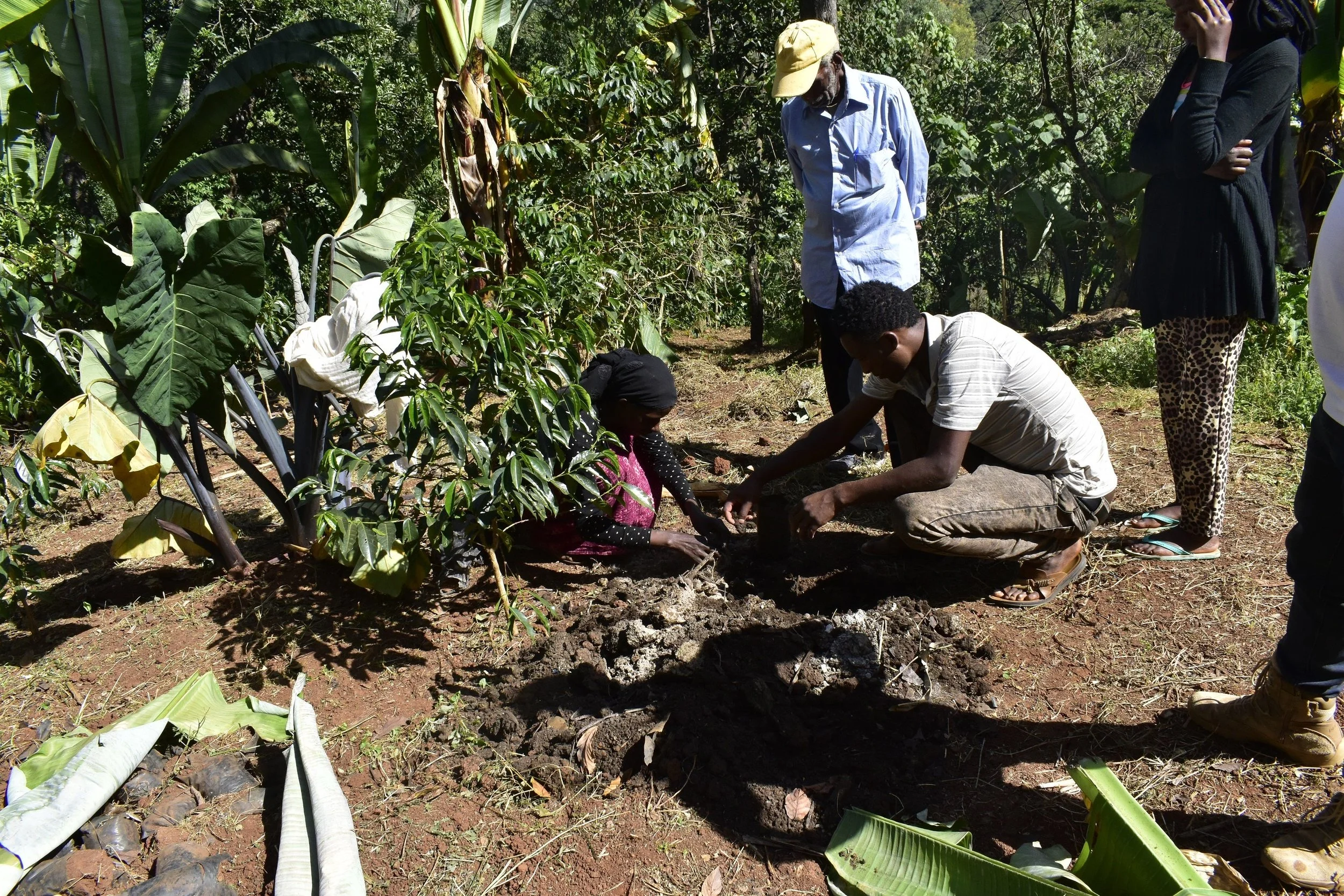
The combination of high altitude and nutrient-rich soil provides an ideal foundation for Samuel’s coffee to thrive. However, it is his passion and dedication that truly set his coffee apart. By cultivating shade-grown coffee and producing his own compost, he eliminates the need for chemical fertilizers, ensuring a more sustainable and environmentally friendly approach to farming.
As part of the Lalisaa Project, Yetera receives agronomy support from Sucafina Ethiopia, gaining access to training sessions that enhance his skills in cultivation, harvesting, and processing. His commitment to high-quality production and participation in the Lalisaa Project enable him to access better markets and improve his earnings. Designed to empower smallholder farmers, the Lalisaa Project shortens the supply chain, enhances quality, and increases yields.
HARVEST
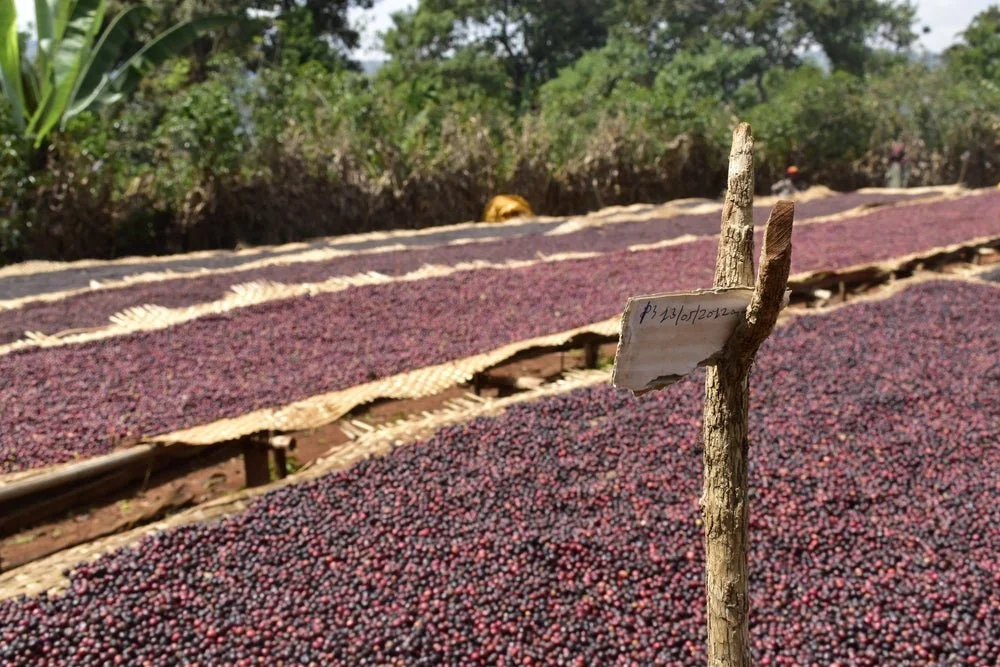
Yetera, his family and additional seasonal workers carefully handpick only the ripest, red cherry. Cherry is sorted and then dry on raised beds, turning it frequently to ensure even drying. This meticulous process takes approximately 25 to 30 days, preserving the coffee’s vibrant flavors and complexity.
CULTIVATION
On his 4.5-hectare farm, Yetera embraces the principles of regenerative farming. The natural shade from intercropped plants fosters an ideal microclimate for his coffee trees. He grows a mixture of local landrace varieties—historically referred to as Ethiopian heirloom—ensuring genetic diversity and resilience. This holistic approach not only enriches the soil but also enhances biodiversity, benefiting the entire farm.
MORE ABOUT THE PROJECT: https://sucafina.com/emea/sustainability/lalisaa-project
COFFEE IN ETHIOPIA
While Ethiopia is famous as coffee’s birthplace, today it remains a specialty coffee industry darling for its incredible variety of flavors. While full traceability has been difficult in recent history, new regulations have made direct purchasing possible. We’re partnering directly with farmers to help them produce top quality specialty lots that are now completely traceable, adding value for farmers and roasters, alike.
The exceptional quality of Ethiopian coffee is due to a combination of factors. The genetic diversity of coffee varieties means that we find a diversity of flavor, even between (or within) farms with similar growing conditions and processing. In addition to varieties, processing methods also contribute to end quality. The final key ingredients for excellent coffee in Ethiopia are the producing traditions that have created the genetic diversity, processing infrastructure and great coffee we enjoy today.
Most producers in Ethiopia are smallholders, and the majority continue to cultivate coffee using traditional methods. As a result, most coffee is grown with no chemical fertilizer or pesticide use. Coffee is almost entirely cultivated, harvested and dried using manual systems.
Genetic Diversity Expands Possibilities
Exporters and importers frequently use the term “heirloom” to describe Ethiopian coffee varieties. However, this catchall-term often hides that impressive array of varieties that are unique to certain regions.
Varieties in Ethiopia can be classified into two main groups: Jimma Agricultural Research Centre (JARC) varieties or regional and local landraces.
The JARC is responsible for developing many of the varieties that flourish across Ethiopia today. JARC was established in 1967 and has been developing and sharing new coffee varieties ever since. The center also provides agricultural extension training to help farmers learn the correct cultivation methods for these newer varieties.
Landraces are plant varieties that have evolved over generations of selective breeding to be best suited to their local conditions. There are at least 130 widely cultivated regional or local landraces.
In Ethiopia, the genetic diversity of landrace coffee trees means that we find a diversity of flavor, even between (or within) farms with similar growing conditions and processing.
Processing Infrastructure Protects Quality
In addition to varieties, processing methods also contribute to end quality. Most coffee produced in Ethiopia is grown by smallholders, but they often do not have their own processing infrastructure. Instead, most smallholders deliver cherry to a wet mill. Wet mills are owned by either cooperatives or private companies.
Wet mills purchase cherry from the farmers and oversee processing. Most washing stations will specialize in both Fully washed and Natural processing methods. While the efforts of each farmer—from selecting and nurturing trees to picking on ripe cherry—are essential determinants of coffee quality, the wet mill’s practices are crucial. Wet mill staff and management are of the utmost importance, and the best washing stations employ stringent quality control measures. They only accept red, ripe cherry and have exacting drying practices. Nearly all washing stations sort drying coffee several times.
While smallholder farmer do not usually have their own pulpers, some do process coffee at their own homes using the Natural method. In these cases, coffee will be selectively picked and laid to dry on small raised beds. This coffee will usually be sold to a wet mill or collection center at the end of the season.
Preserving Coffee Producing Traditions
The final key ingredients for excellent coffee in Ethiopia are the producing traditions that have created the genetic diversity, processing infrastructure and great coffee we enjoy today.
Most producers in Ethiopia are smallholders, and the majority continue to cultivate coffee using traditional methods. As a result, most coffee is grown with no chemical fertilizer or pesticide use. Coffee is almost entirely cultivated, harvested and dried using manual systems.

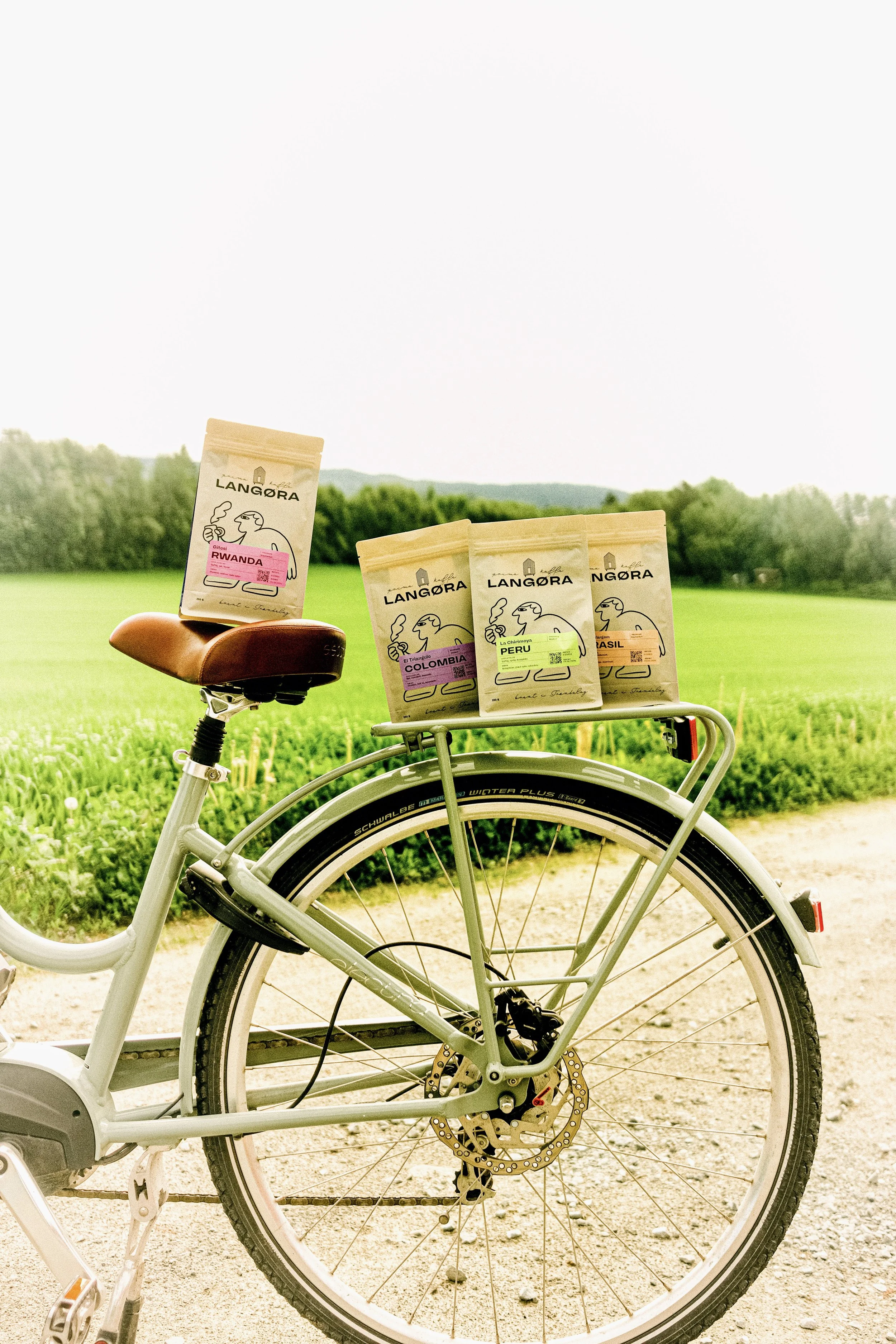

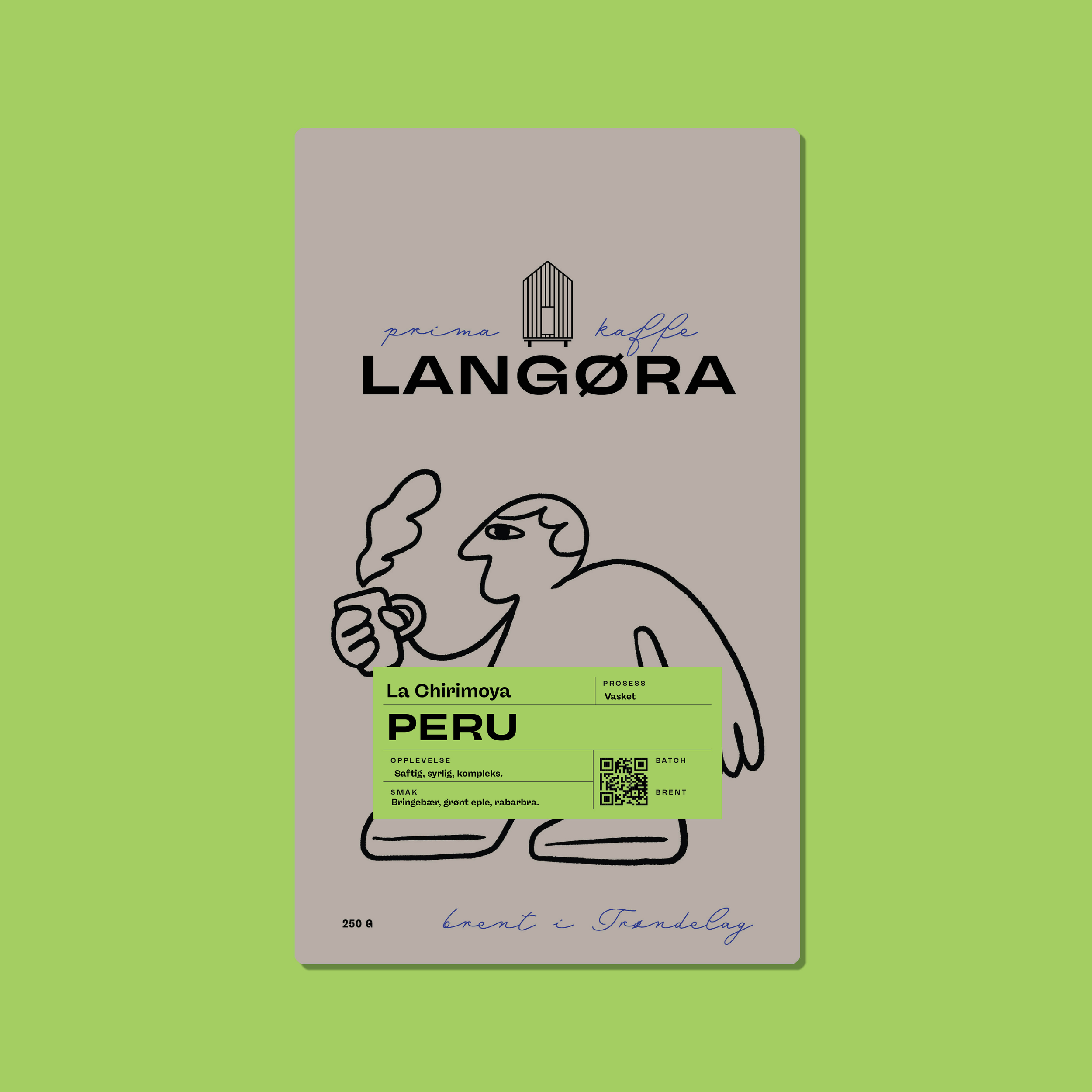

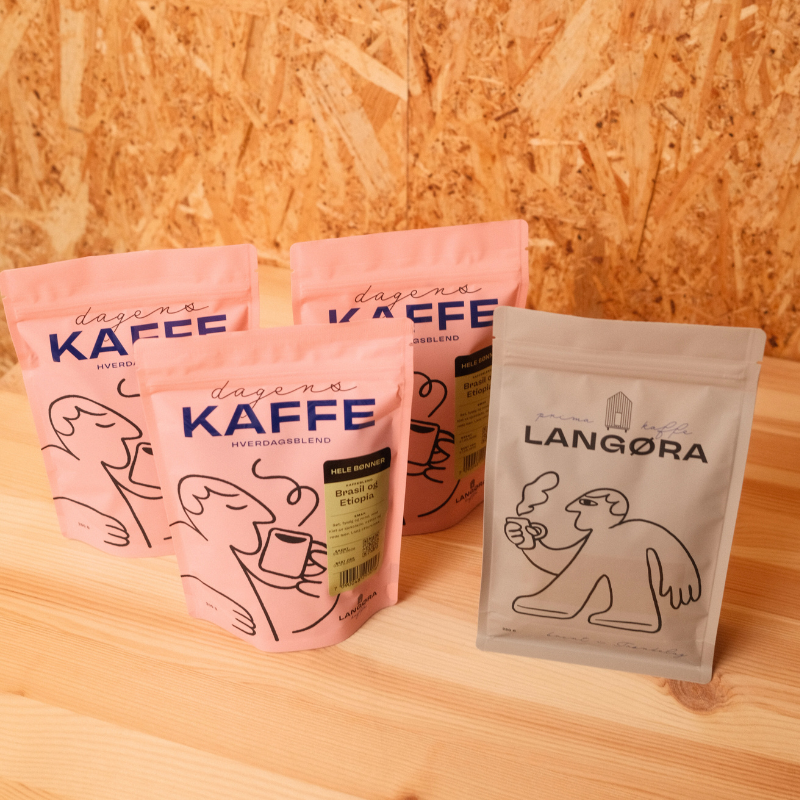


Lett, leskende, fruktig.
Bjørnebær, aprikos, bergamot.