
Luke 11
La Margarita
COUNTRY: Peru
FARM/COOP/STATION: Finca La Margarita
VARIETAL: Red Bourbon
PROCESSING: Fully washed
ALTITUDE: 1,750 to 2,050 meters above sea level
PRODUCER: Ronald Melgarejo
REGION: Cusco
FLAVOUR NOTES: Almond, blackberries, dried stonefruit, green apple, baking spices, white flowers
ABOUT THIS COFFEE
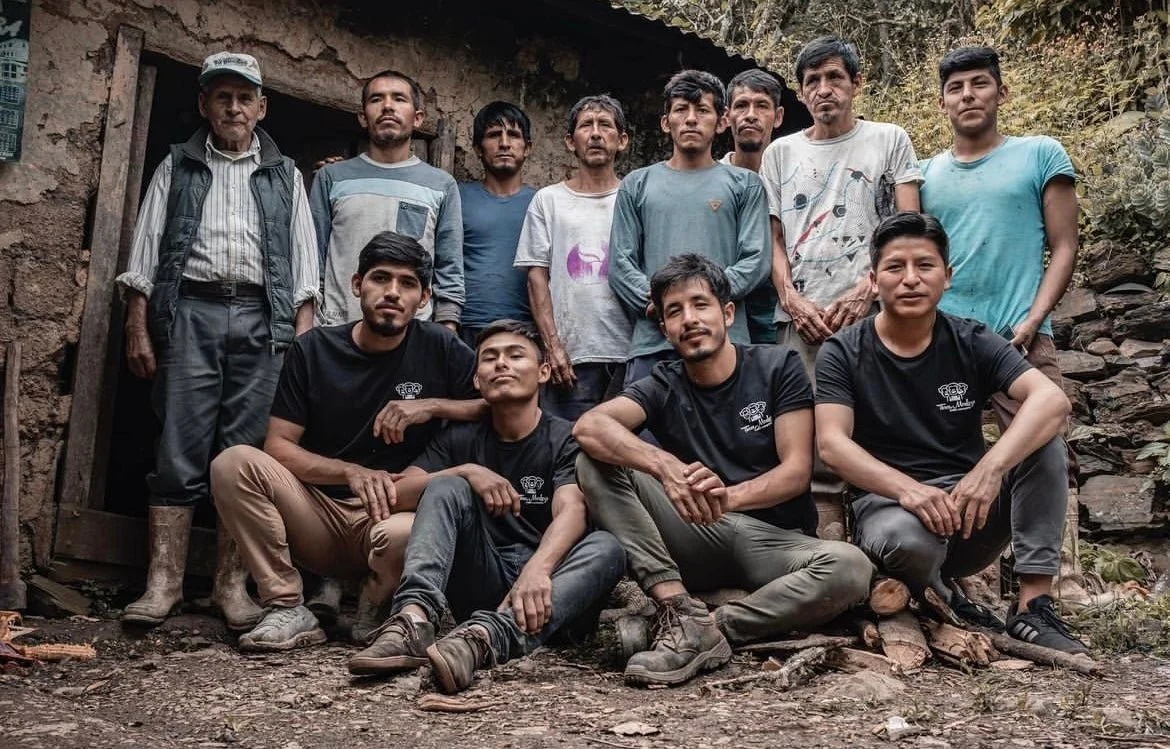
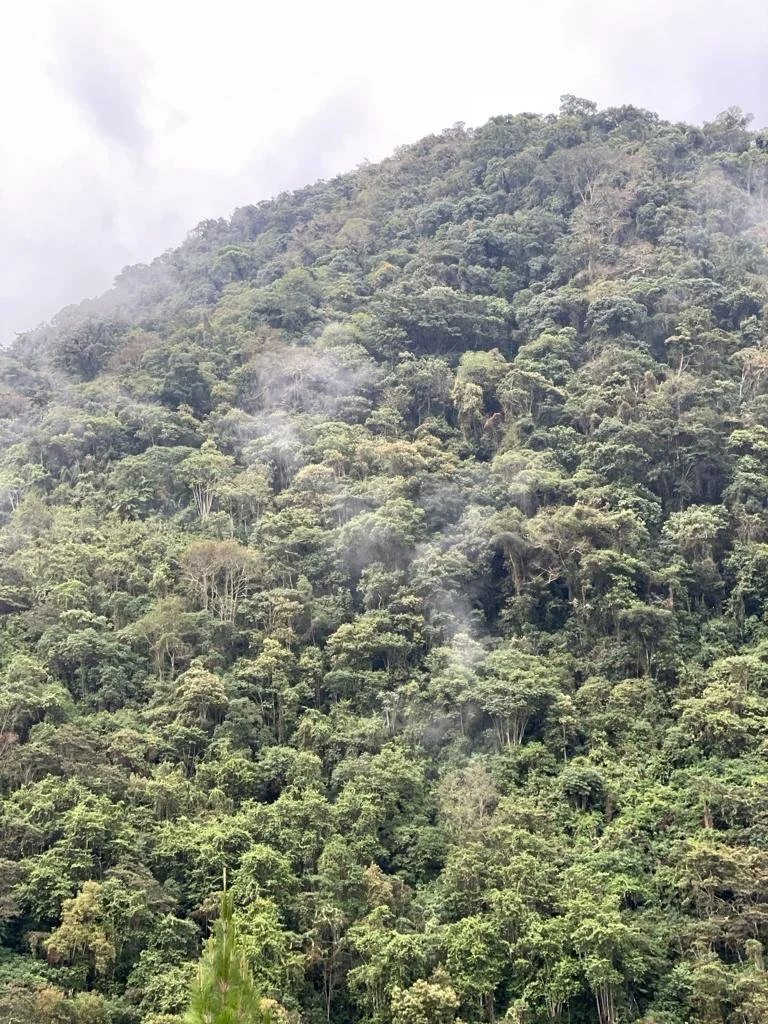
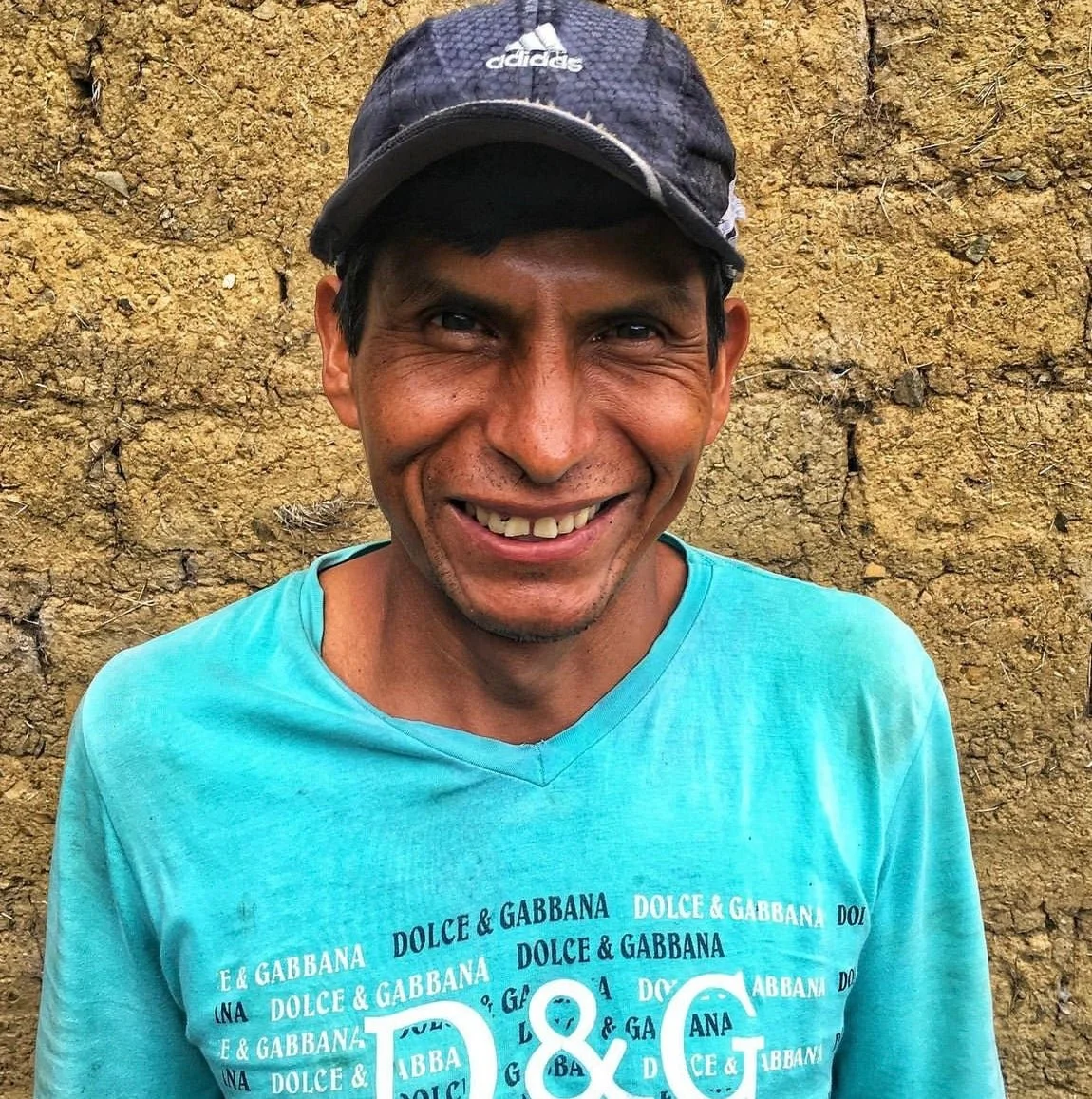
Ronald and his wife have been cultivating coffee for more than 20 years at Finca La Margarita. Their 3-hectare farm has sustained their livelihoods and helped them educate their children.
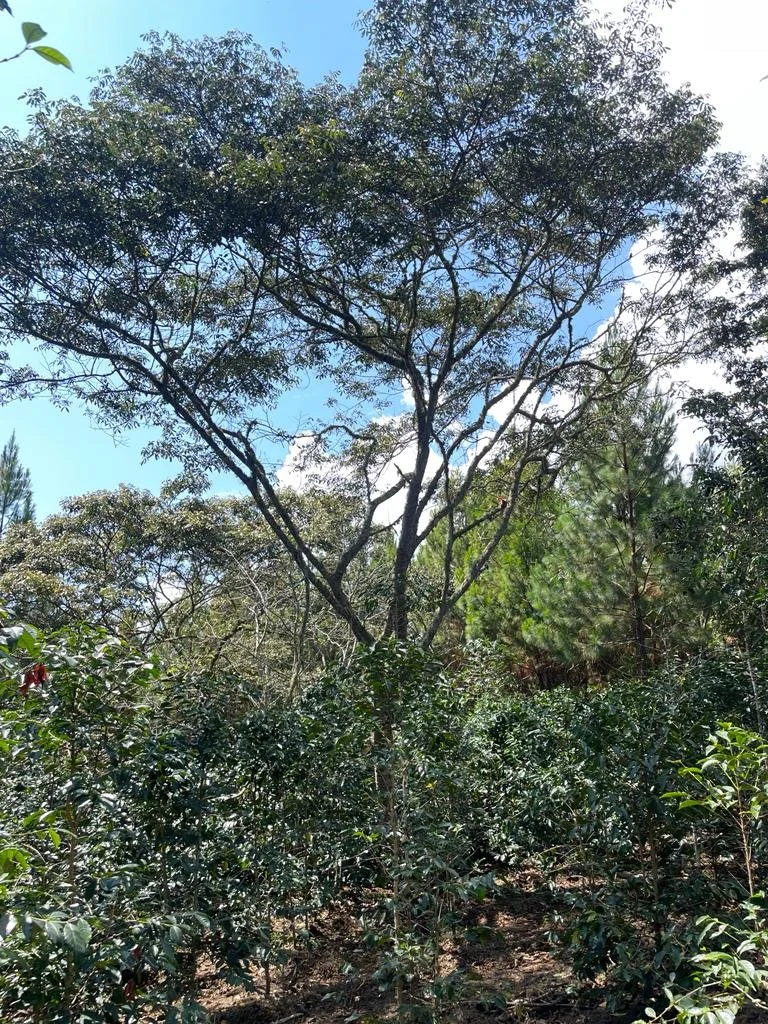
They grow mainly Bourbon and Typica at their 1,750 to 2,050 meters above sea level farm. They have also started growing Geisha and Mundo Novo.
HARVEST AND PROCESS
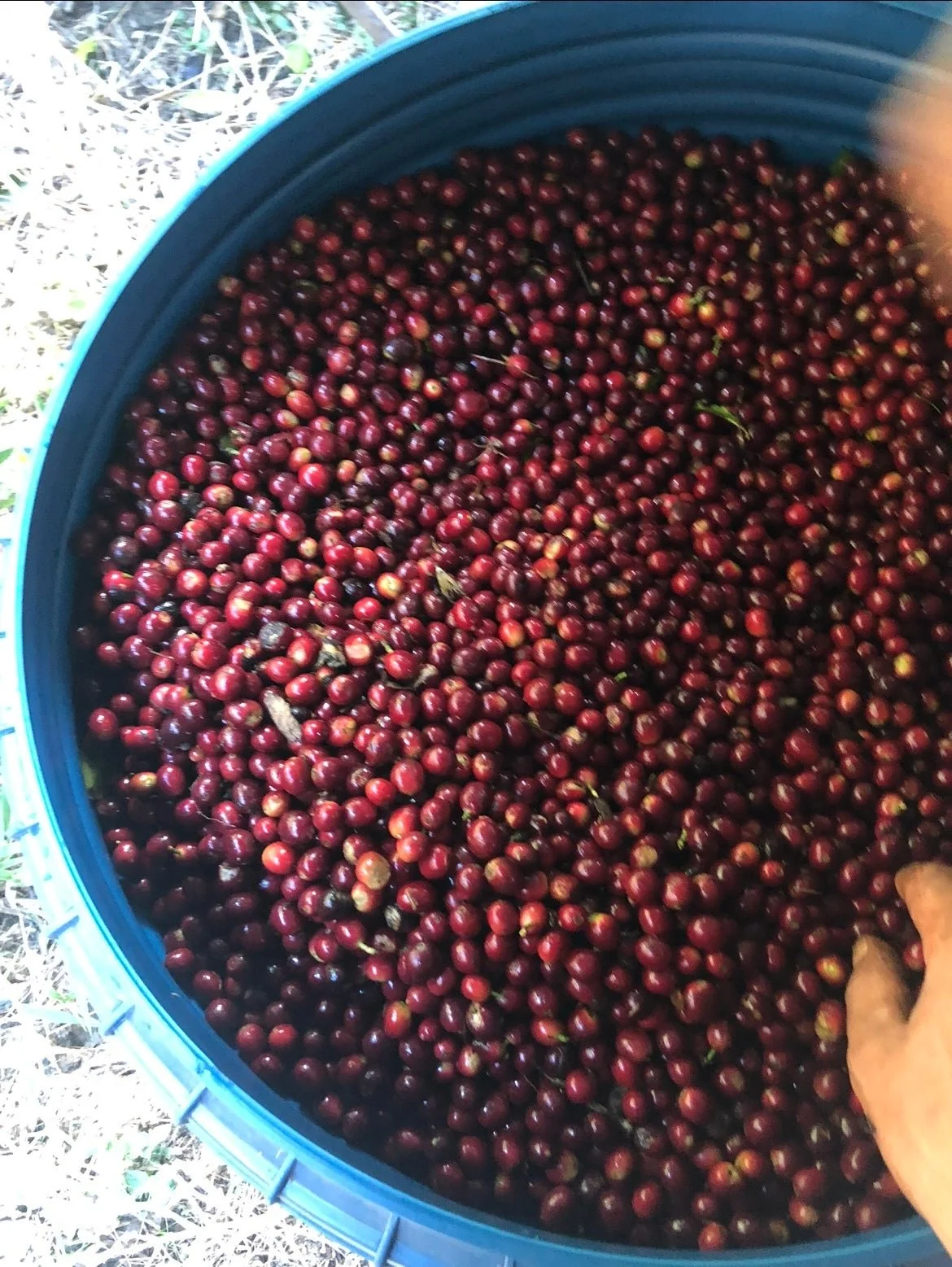
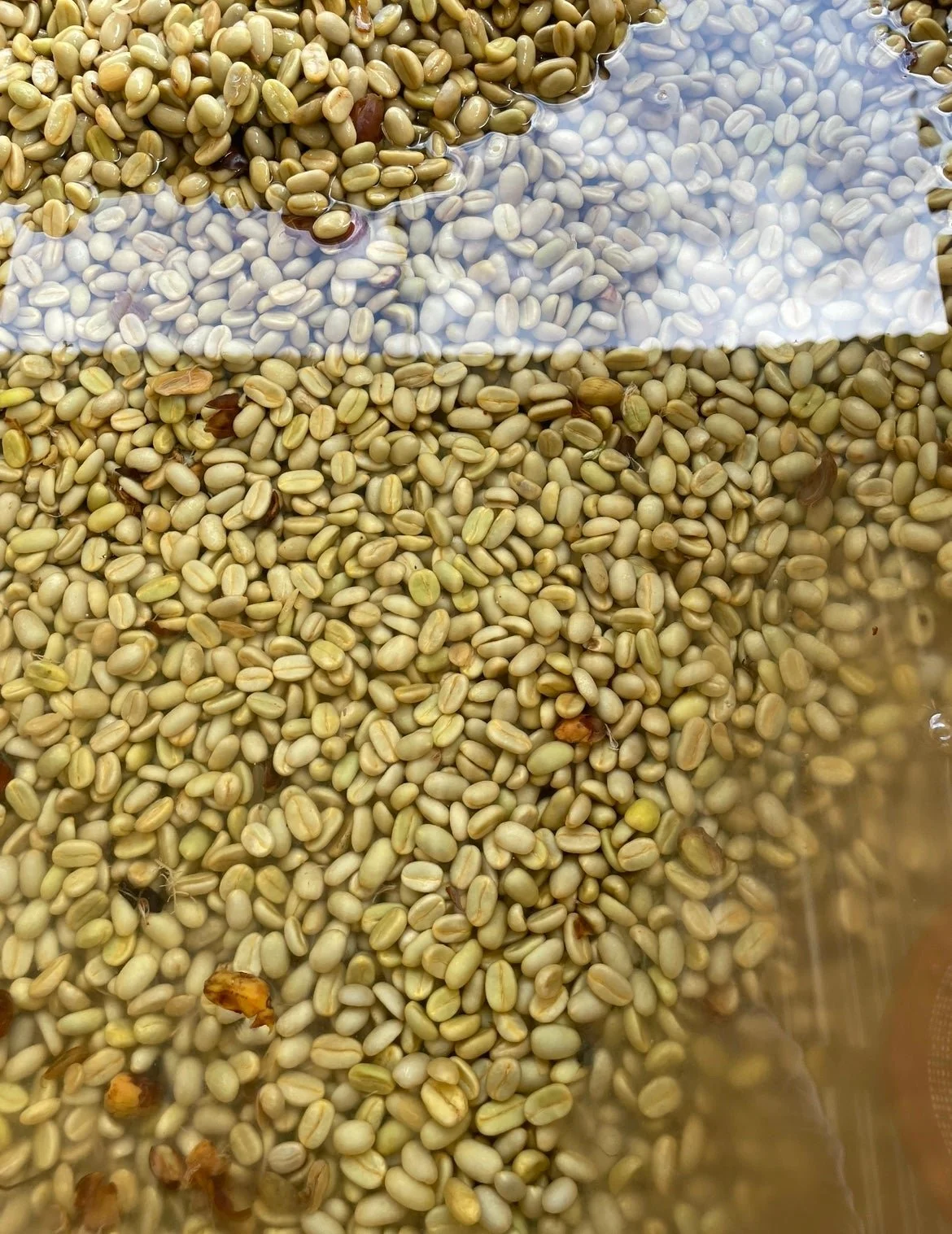
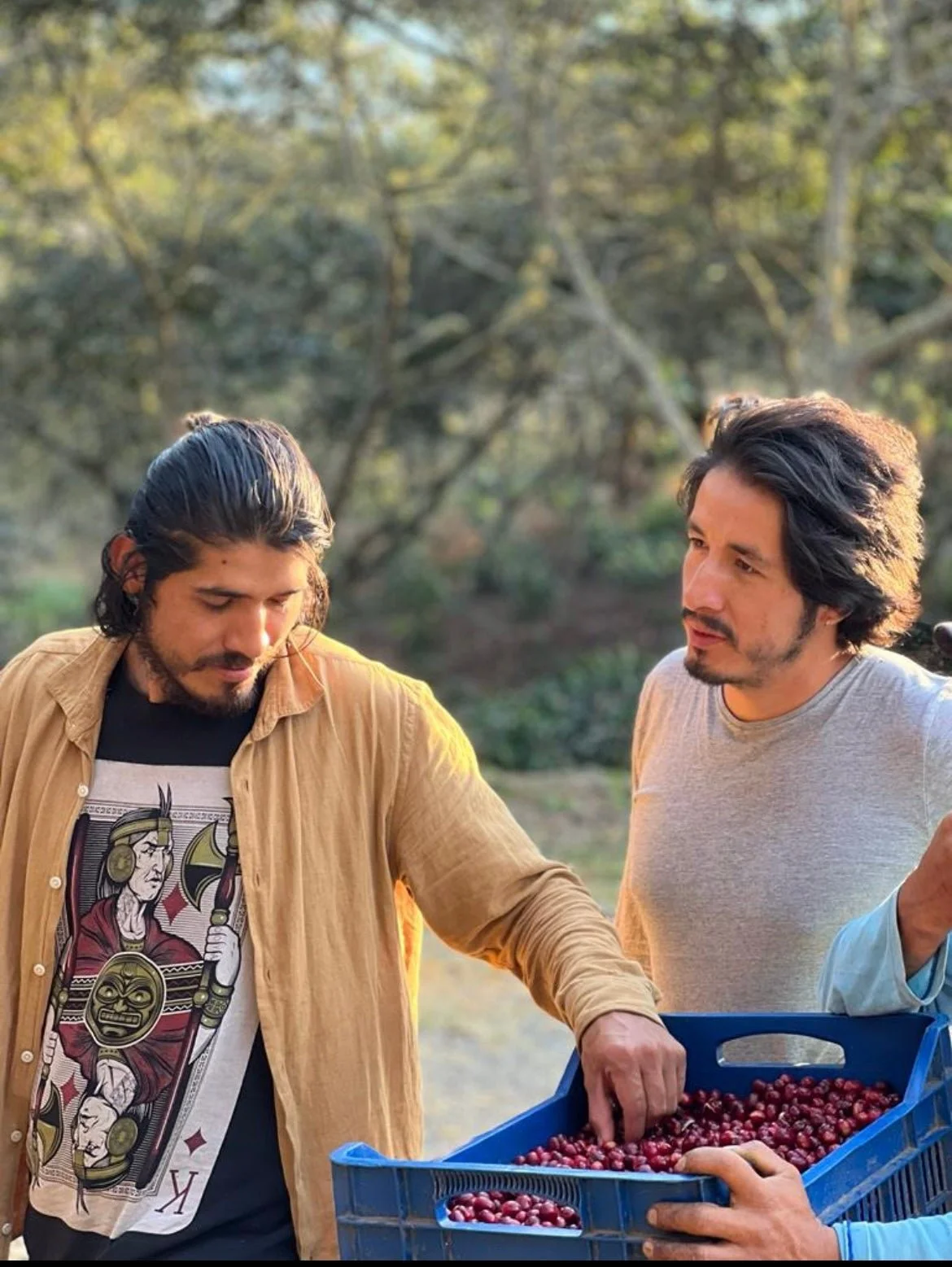
Ronald and his wife selectively handpick ripe, red cherry and process it on their farm. They pulp cherry and ferments it anaerobically in plastic tanks for 3 days. Following fermentation, he washes parchment in clean water and lays it to dry on raised beds. He rakes parchment frequently to ensure even drying. It takes approximately 14 days for parchment to dry.
COFFEE IN PERU
Peru holds exceptional promise as a producer of high-quality coffees. The country is the largest exporter of organic Arabica coffee globally. With extremely high altitudes and fertile soils, the country’s smallholder farmers also produce some stunning specialty coffees.
Though coffee arrived in Peru in the 1700s, very little coffee was exported until the late 1800s. Until that point, most coffee produced in Peru was consumed locally. When coffee leaf rust hit Indonesia in the late 1800s, a country central to European coffee imports at the time, Europeans began searching elsewhere for their fix. Peru was a perfect option.
Between the late 1800s and the first World War, European interests invested significant resources into coffee production in Peru. However, with the advent of the two World Wars, England and other European powers became weakened and took a less colonialist perspective. When the British and other European land owners left, their land was purchased by the government and redistributed to locals. The Peruvian government repurchased the 2 million hectares previously granted to England and distributed the lands to thousands of local farmers. Many of these farmers later grew coffee on the lands they received.
Today, Peruvian coffee growers are overwhelmingly small scale. Farmers in Peru usually process their coffee on their own farms. Most coffee is Fully washed. Cherry is usually pulped, fermented and dried in the sun on raised beds or drying sheds. Drying greenhouses and parabolic beds are becoming more common as farmers pivot towards specialty markets.
After drying, coffee will then be sold in parchment to the cooperative. Producers who are not members of a cooperative will usually sell to a middleman.
The remoteness of farms combined with their small size means that producers need either middlemen or cooperatives to help get their coffee to market. Cooperative membership protects farmers greatly from exploitation and can make a huge difference to income from coffee. Nonetheless, currently only around 15-25% of smallholder farmers have joined a coop group.