

Luke 13 (Gjest)
SCANDINAVIAN ALPS
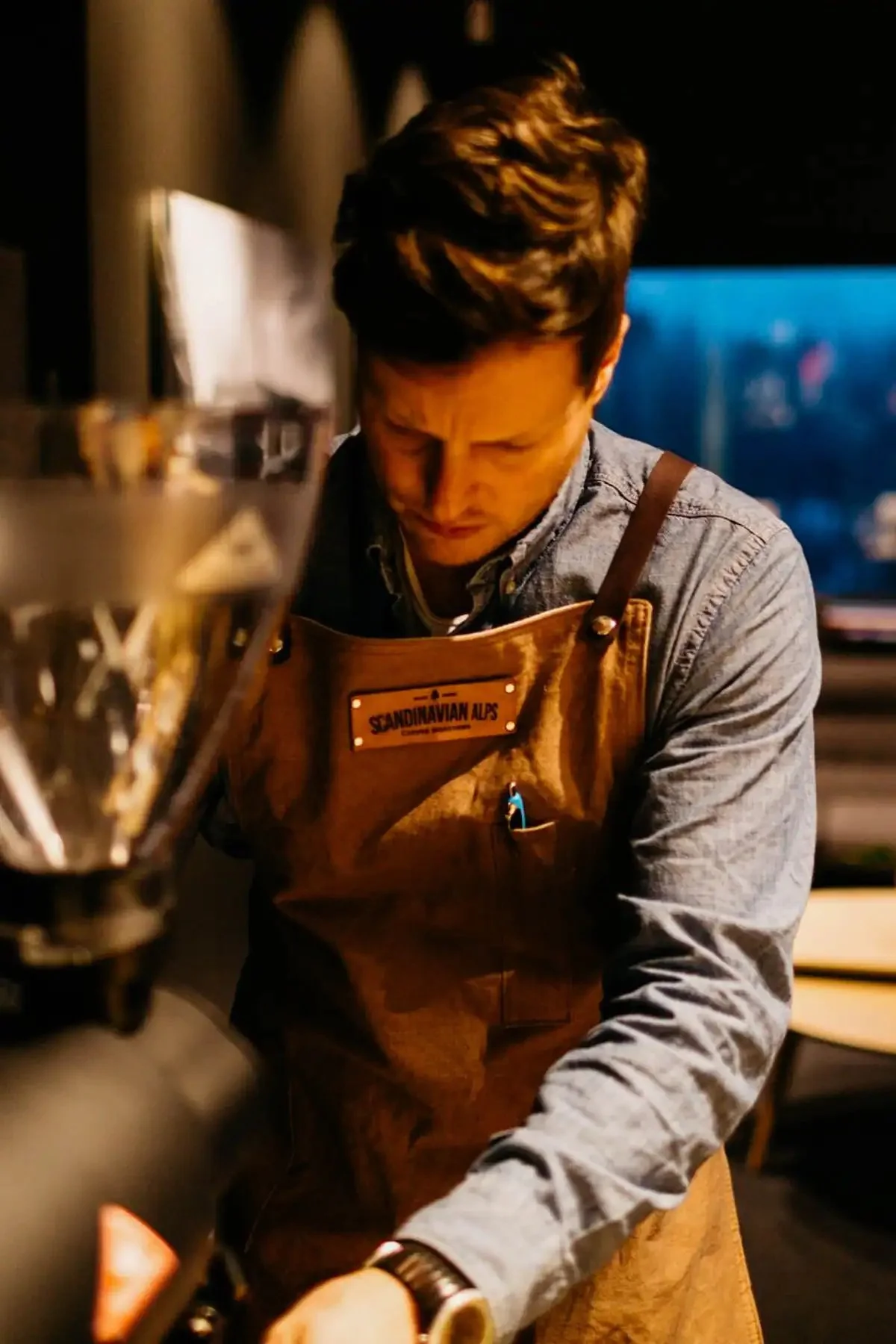
This project started because we have always been passionate about skiing and coffee. The main source of our inspiration came from our late grandfather who helped introduce us to skiing in the Alps and amazing coffee in his home city of Vienna, Austria. Today we have combined these two passions to make great artisanal coffee in one of the most beautiful places in the world, Hemsedal, Norway, "The Scandinavian Alps".
Adrian Seligman
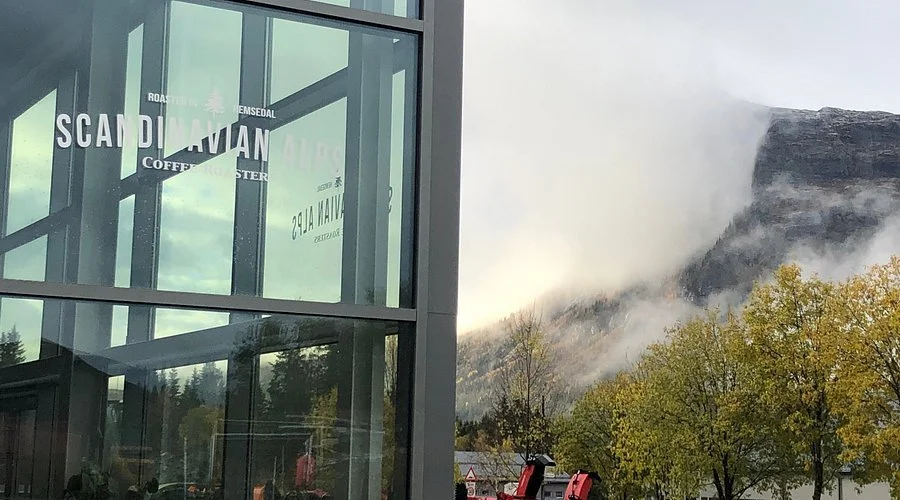
We truly believe your surroundings help shape who you are, and who you want to become in life. We want to share our love for coffee and the outdoors, to help inspire others in their surroundings.
The goal is to seek out the finest specialty sustainable coffees from around the world, hand roast them with great attention and care to bring you a truly unique coffee experience every time.
Get the coffee here: https://www.scandinavianalpscoffee.com
Instagram: @scandinavianapls2.0
René Méndez
COUNTRY: Guatemala
FARM/COOP/STATION: Finca Jolimex
VARIETIES: Caturra
PROCESSING: Washed
ALTITUDE: 1550 MASL
OWNER: René Méndez
SUBREGION/TOWN: San Pedro Necta,
REGION: Huehuetenango
HARVEST MONTHS: September–April
FLAVOUR PROFILE: Cooked plum, cooked apple, and brown sugar with mild toffee flavours. Mellow juicy malic acidity and clean fruit-like sweetness.
ABOUT THIS COFFEE
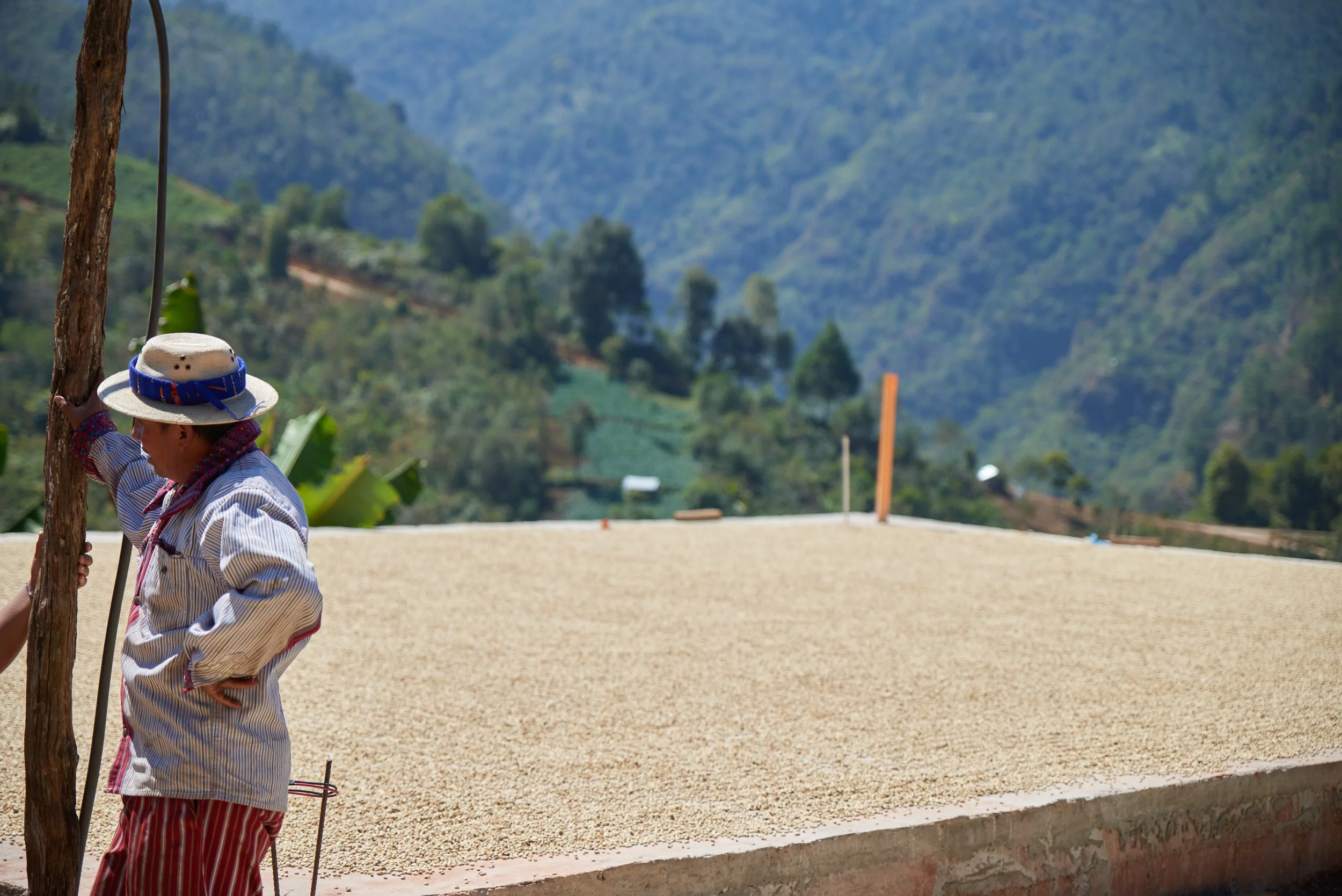
René Méndez owns Fince Jolimex in Huehuetenango. THis 1.3-hectare farm is fully planted with around 9,800 coffee trees consisting of Bourbon and Caturra. The coffee is picked and fermented for 36-48 hours before drying on patios for 6-8 days.
Caturra
A naturally occurring dwarf mutation of Bourbon that was discovered in Minas Gerais, Brazil (1915–1918) and later selected for cultivation (1937).
COFFEE IN GUATEMALA
Huehuetenango is located in Western Guatemala bordering Mexico. It is extremely diverse and known for producing some of the best coffees in Latin America due to its climate, altitude, water sources, and traditional varieties. A range of offerings come out of Huehuetenango, including chocolatey volume offerings and fruit-forward microlots.
A large percentage of Guatemala’s population, and therefore also the coffee sector, identify with one of more than 20 officially recognized indigenous groups. Most farmers are smallholders who are either working independently of one another, loosely associated by proximity and cultural ties, or formally affiliated in cooperative associations.
In 1960, coffee growers developed their own union, which has since become the national coffee institute Anacafé (Asosiación Nacional del Café), which is a research center, marketing agent, and financial organization that provides loans and offers support to growers throughout the various regions.
Starting in 2012 and lasting for several years, an outbreak of coffee-leaf rust proved a tremendous obstacle to coffee production in the country, reducing yields by as much as 25%, and causing the government to declare a state of emergency. Farmers attempted a combination of chemical and organic treatments, intensely targeted pruning, reduction of shade plants, and replacing susceptible varieties like Bourbon, Caturra, and Catuai with more leaf-rust-resistant ones. Anacafé has been working closely with World Coffee Research on variety trials and research that will hopefully result in future protection and prevention of similar outbreaks, as well as provide more productive harvests for the smallholder farmers.
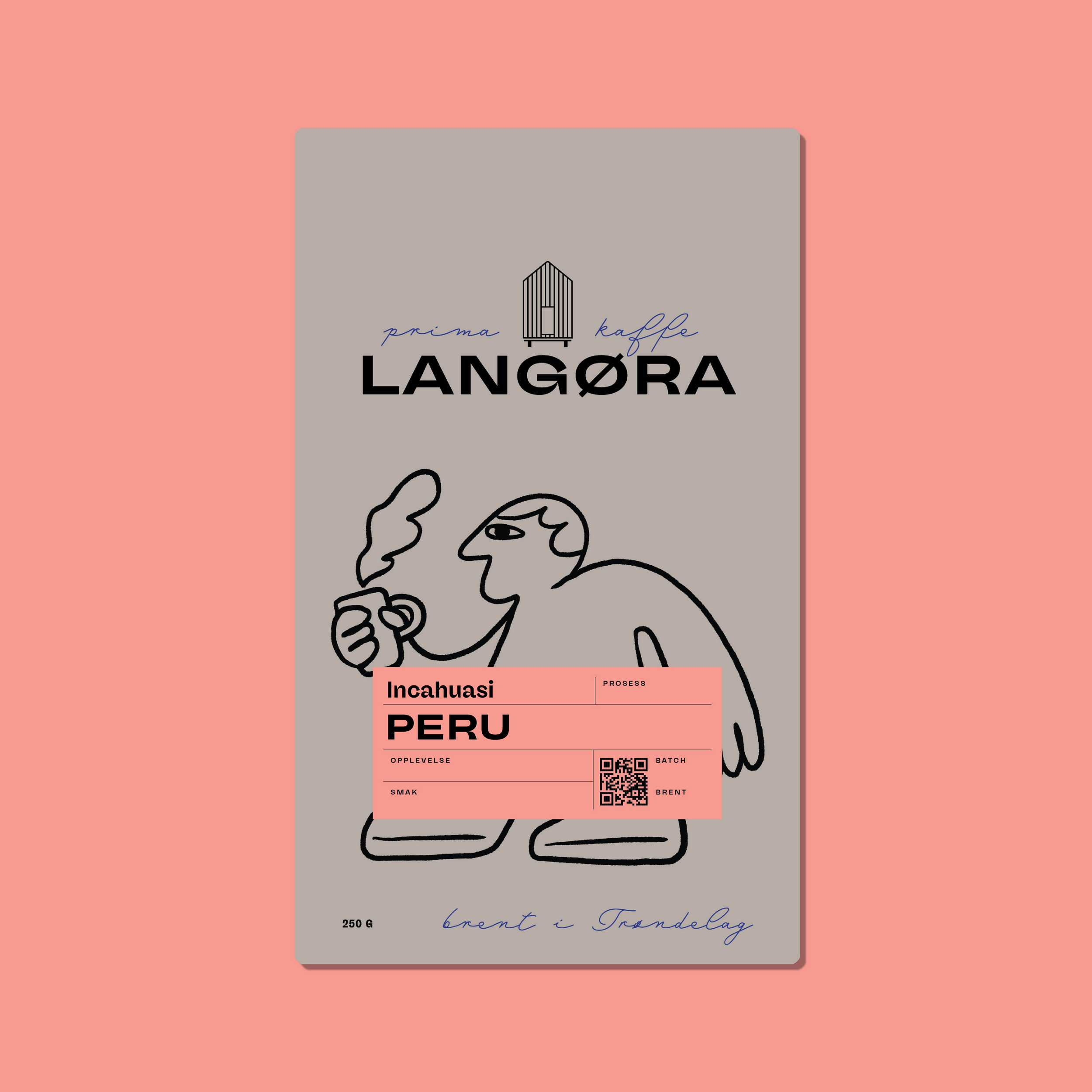
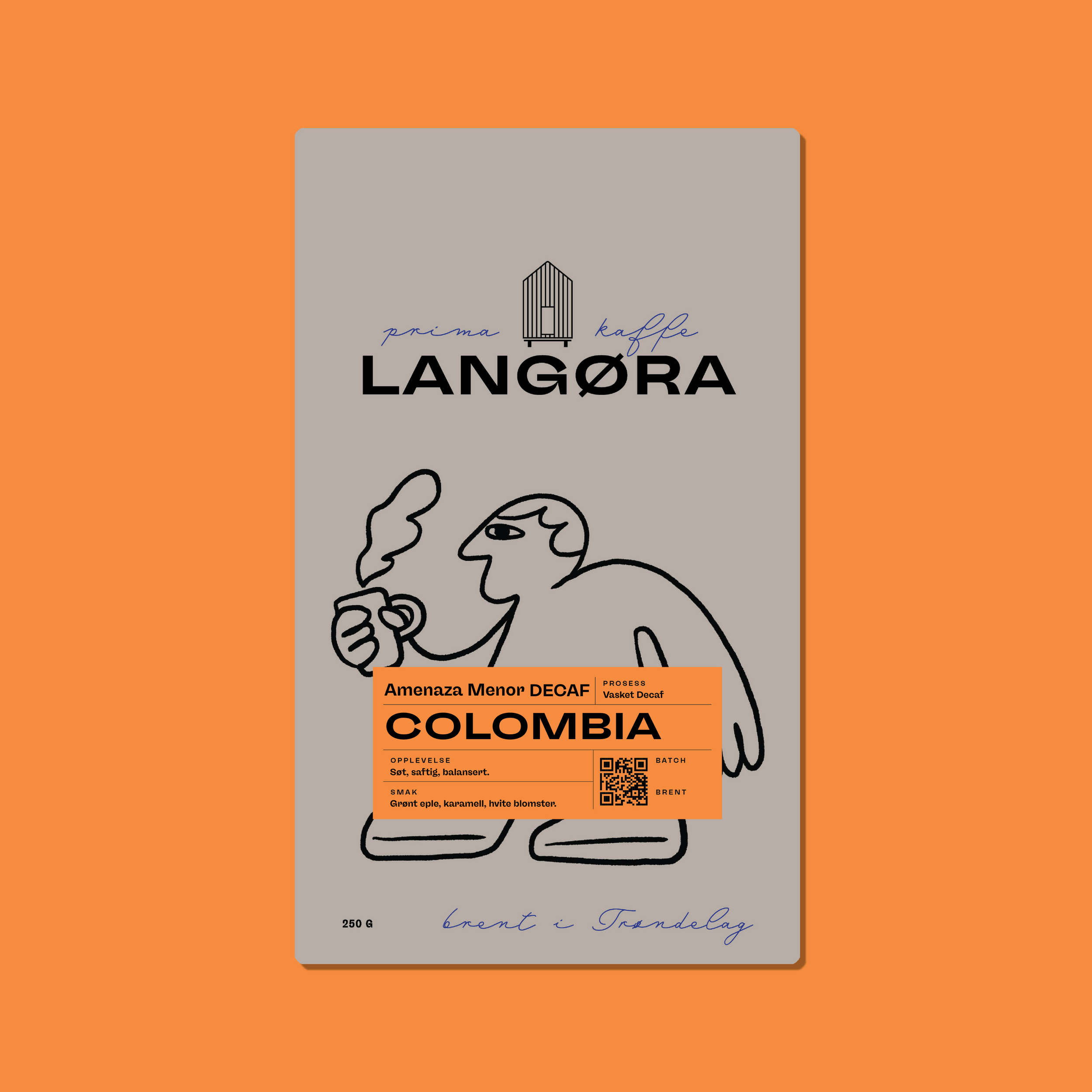


Lett, leskende, fruktig.
Bjørnebær, aprikos, bergamot.